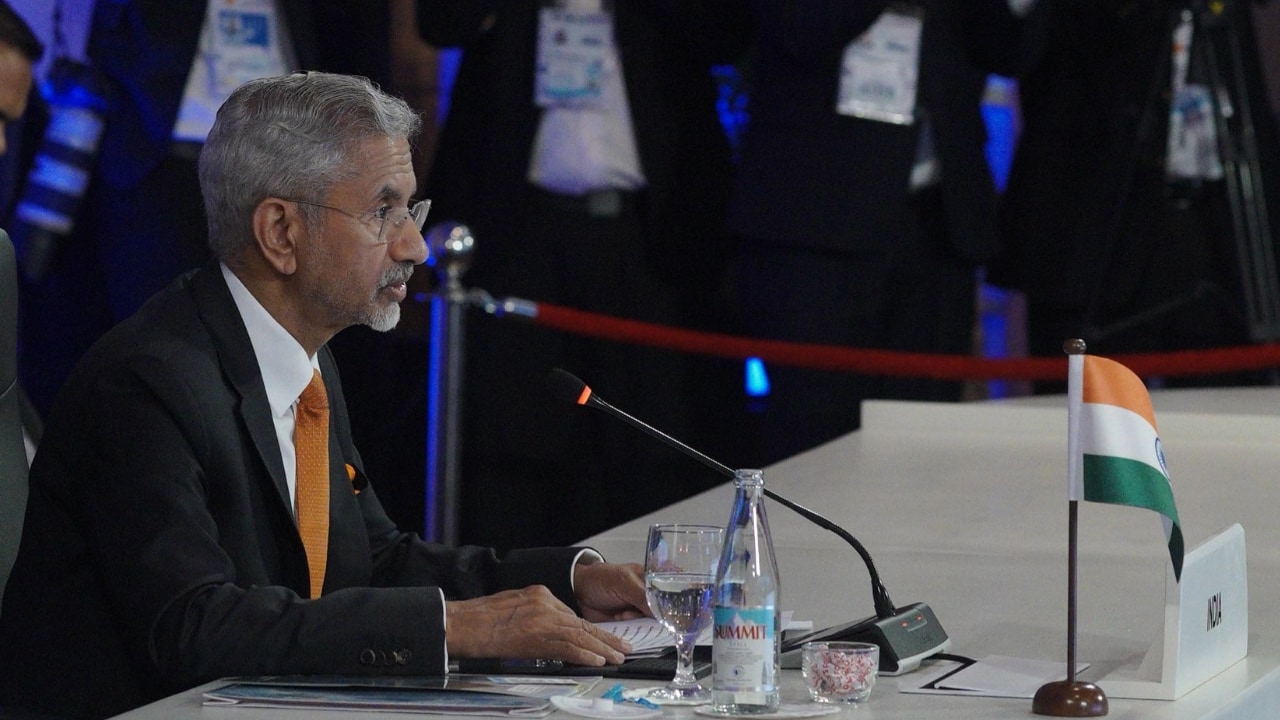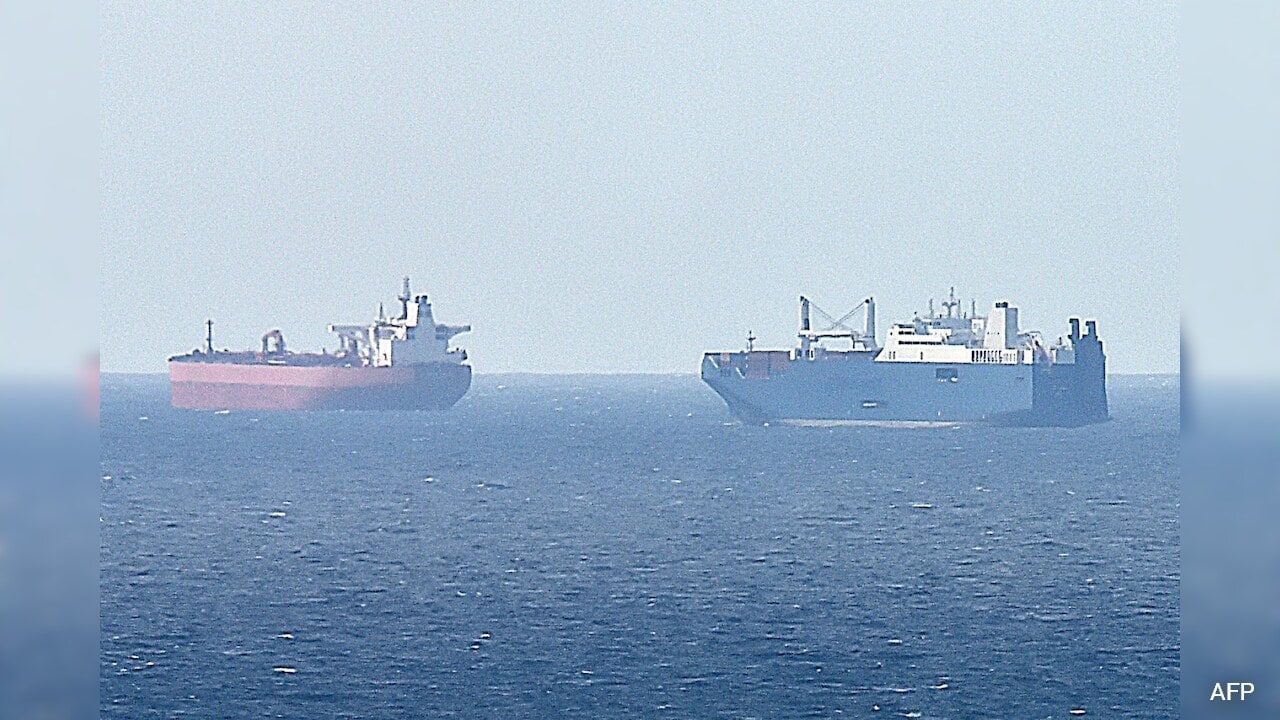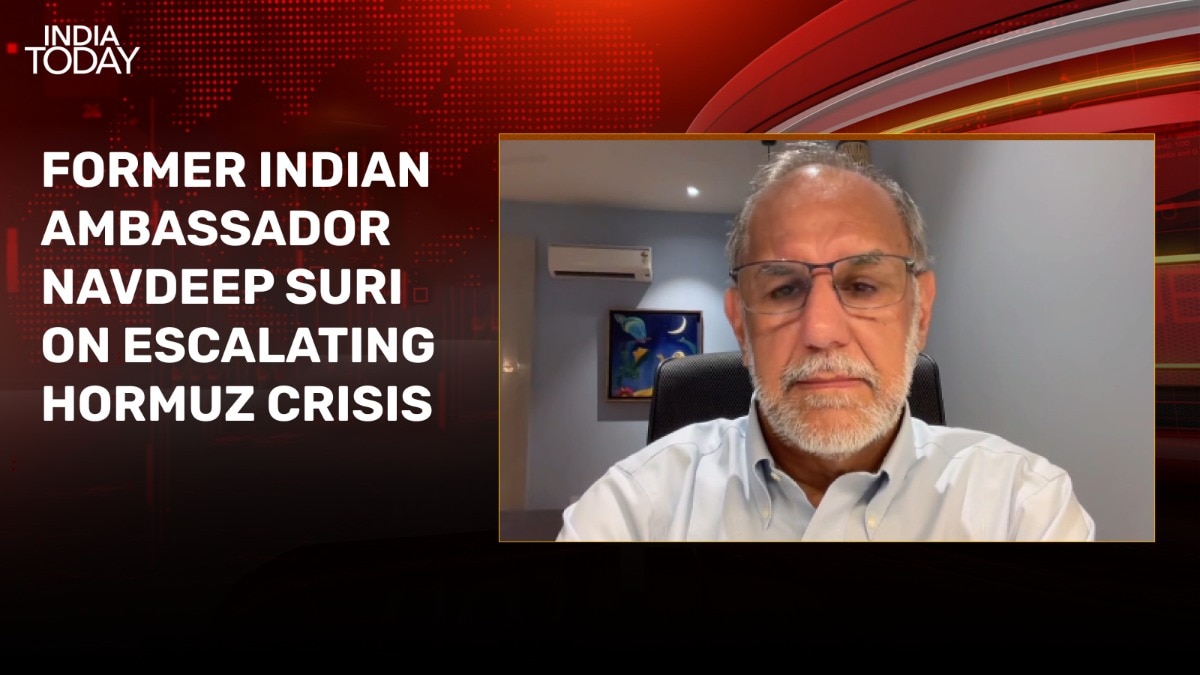
Senior U.S. diplomat Navdeep Suri warned that rising tensions in the Strait of Hormuz could shift America from a global peacekeeper to a violator of international law, reshaping regional security and global oil markets.
मुख्य बिंदु (Key Takeaways)
- Navdeep Suri warns the U.S. may become a ‘lawbreaker’ rather than a ‘global policeman.’
- Escalation in the Strait of Hormuz threatens global oil flow and maritime safety.
- Policy shifts could challenge international maritime law and regional power balances.
Senior U.S. State Department official Navdeep Suri voiced serious concerns this week about the growing crisis in the Strait of Hormuz, suggesting that America risks shedding its long‑standing “global policeman” image and becoming a violator of international law. His remarks came amid fresh warnings from Iran about increased naval activity that could jeopardize oil exports and global shipping routes.
Background: Why the Strait of Hormuz Matters
The Hormuz Strait, linking the Persian Gulf to the Gulf of Oman, is a critical artery for the world’s energy supply, carrying roughly 20% of global oil shipments daily. Any disruption here reverberates far beyond the Middle East, influencing global oil prices, supply chains, and economic stability. The waterway has been a flashpoint for decades, notably after the 2019 U.S. drone strike that killed an Iranian vessel, sparking a series of retaliatory threats.
Navdeep Suri’s Assessment
Suri warned, “The United States will find itself labelled a violator of international maritime law if it continues to impede or seize vessels without legitimate cause.” He cautioned that such a stance could erode U.S. influence, embolden Iran and other regional actors, and trigger a cascade of counter‑measures. His comments have ignited a debate among security analysts about whether Washington’s “guardian” role is sustainable in the face of escalating regional tensions.
Potential Outcomes and International Reactions
If the U.S. persists with a hard‑line approach, it may be seen as contravening the United Nations Convention on the Law of the Sea (UNCLOS). The European Union, China, and India have already signalled heightened vigilance, hinting at possible economic push‑backs. Meanwhile, oil markets have reacted sharply, with Brent crude spiking over 10%, threatening the fiscal health of oil‑importing nations.
Path Forward
Experts argue that a diplomatic reset, rather than a purely military posture, is essential to de‑escalate the crisis. By aligning its actions with established international norms, the United States could restore credibility and keep vital shipping lanes open. Failure to do so may fracture the existing security architecture, ushering in new economic and geopolitical challenges.