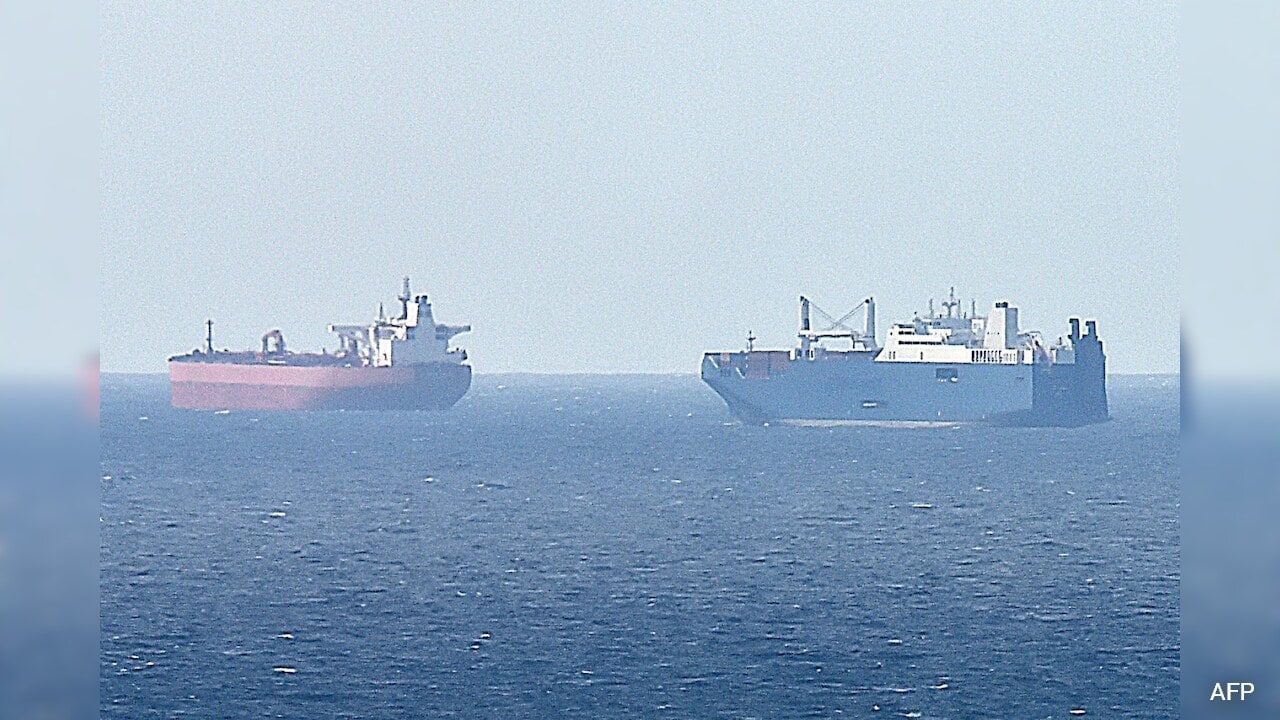
After sealing the Strait of Hormuz, Iran is now poised to leverage its Houthi allies to shut the Bab el-Mandeb gateway, creating a dual‑pressure scenario on global oil routes. The move escalates geopolitical tension and threatens worldwide energy security.
Key Takeaways
- Iran is preparing to close the Bab el-Mandeb with Houthi support.
- Simultaneous threats to Hormuz and Bab el-Mandeb could spike oil prices dramatically.
- The expanded conflict will reshape international diplomacy and energy security.
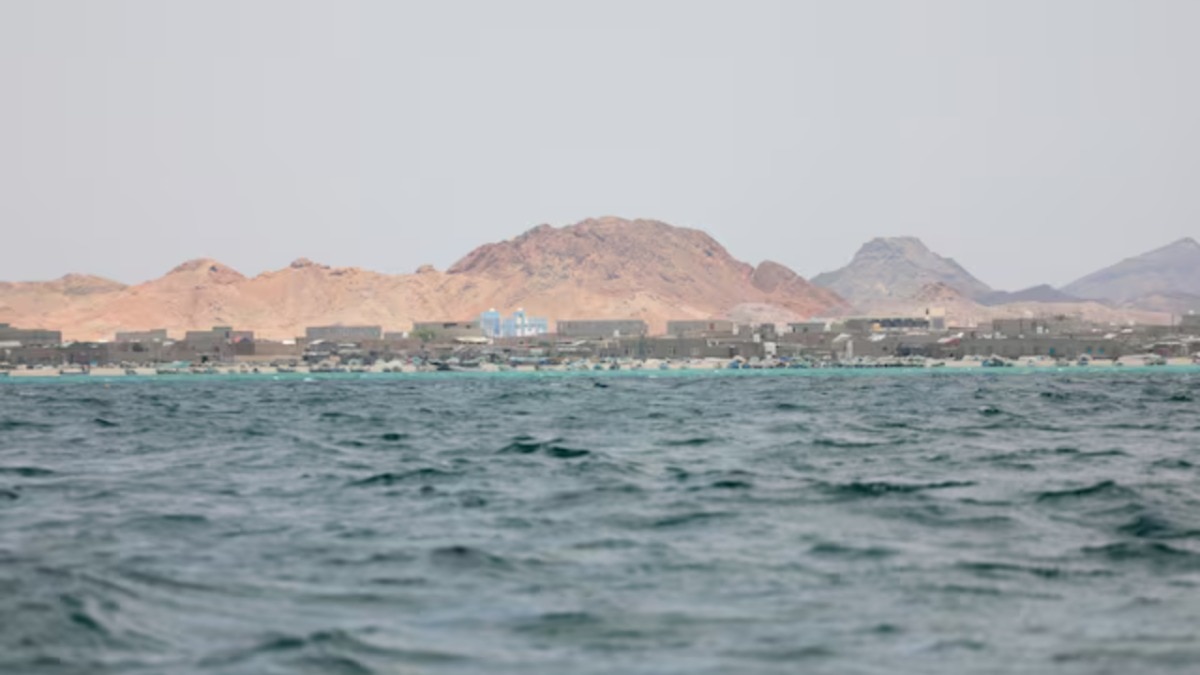
Iran’s earlier closure of the Strait of Hormuz demonstrated its ability to wield a strategic chokepoint. Now Tehran appears ready to add a second lever—Bab el-Mandeb, the narrow strait linking the Red Sea to the Gulf of Aden. This corridor handles a large share of Saudi oil exports and global container traffic, making any disruption a potential catalyst for worldwide market turbulence.
Strategic Context
Bab el‑Mandeb is a critical artery for global energy supplies. In the wake of the 2023 Gaza conflict, Yemen’s Houthi movement targeted the strait, forcing commercial vessels to detour around the Cape of Good Hope and inflating shipping costs. By aligning with the Houthis, Iran can create a two‑front pressure point that stretches U.S. and allied responses beyond the Persian Gulf.
Analyst Perspectives
Middle‑East scholar Fawaz Gerges told Reuters that Tehran’s ambition is to threaten both chokepoints simultaneously, turning a bilateral dispute into a challenge for the sea lanes that underpin global energy trade. He describes the development as a “mission creep”—a gradual escalation where each side raises stakes without crossing into open warfare.
Economic and Diplomatic Implications
Should the Bab el‑Mandeb be sealed, oil prices could surge to $200 a barrel, as warned by a senior Houthi official. Such a spike would reverberate through global economies, especially in emerging markets that are sensitive to energy costs. Moreover, the dual‑choke scenario could force Washington and Tehran back to the negotiating table, as both sides weigh the economic fallout of an extended confrontation.
Regional Reactions
Abdulaziz Sager, chair of the Saudi‑based Gulf Research Center, noted that Gulf states increasingly view diplomatic overtures with Iran as exhausted, yet they remain wary of the high price of a broader war. He emphasized that while the Houthis retain the capability to disrupt Bab el‑Mandeb, their actions will likely hinge on explicit Tehran directives.