Iran launched missile attacks on two UAE‑flagged oil tankers in the Strait of Hormuz, killing one Indian seafarer and wounding ten others. India summoned the Iranian deputy chief of mission and issued a strong protest against the aggression.
Key Takeaways
- Iran hit two UAE‑flagged tankers with cruise missiles
- One Indian sailor killed, ten other Indians injured
- India summoned Iran’s deputy chief of mission and condemned the attacks
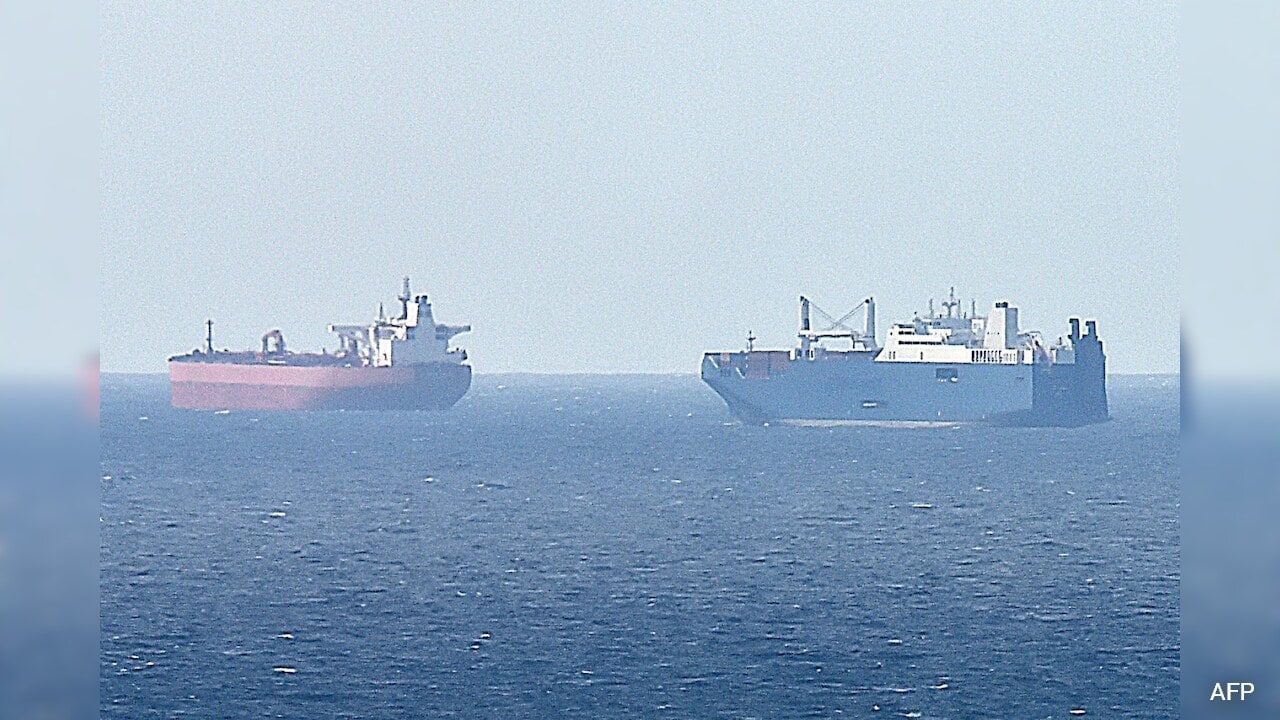
On July 15, 2026, two UAE‑flagged oil carriers – MT Al Bahiyah and MT Mombasa – were struck by Iranian cruise missiles while transiting the strategically vital Strait of Hormuz. Of the 46 crew members aboard, 30 were Indians. The attack claimed the life of one Indian seafarer and left ten more with injuries ranging from mild to serious.
Incident Details
The Islamic Revolutionary Guard Corps (IRGC) claimed the vessels ignored repeated warnings, disabled navigation systems, and attempted to pass through a mined corridor, prompting the missiles that “disabled” the super‑tankers. The United Arab Emirates Ministry of Defence confirmed that the strikes occurred within Omani territorial waters and caused “significant damage” to both ships.
Geopolitical Context
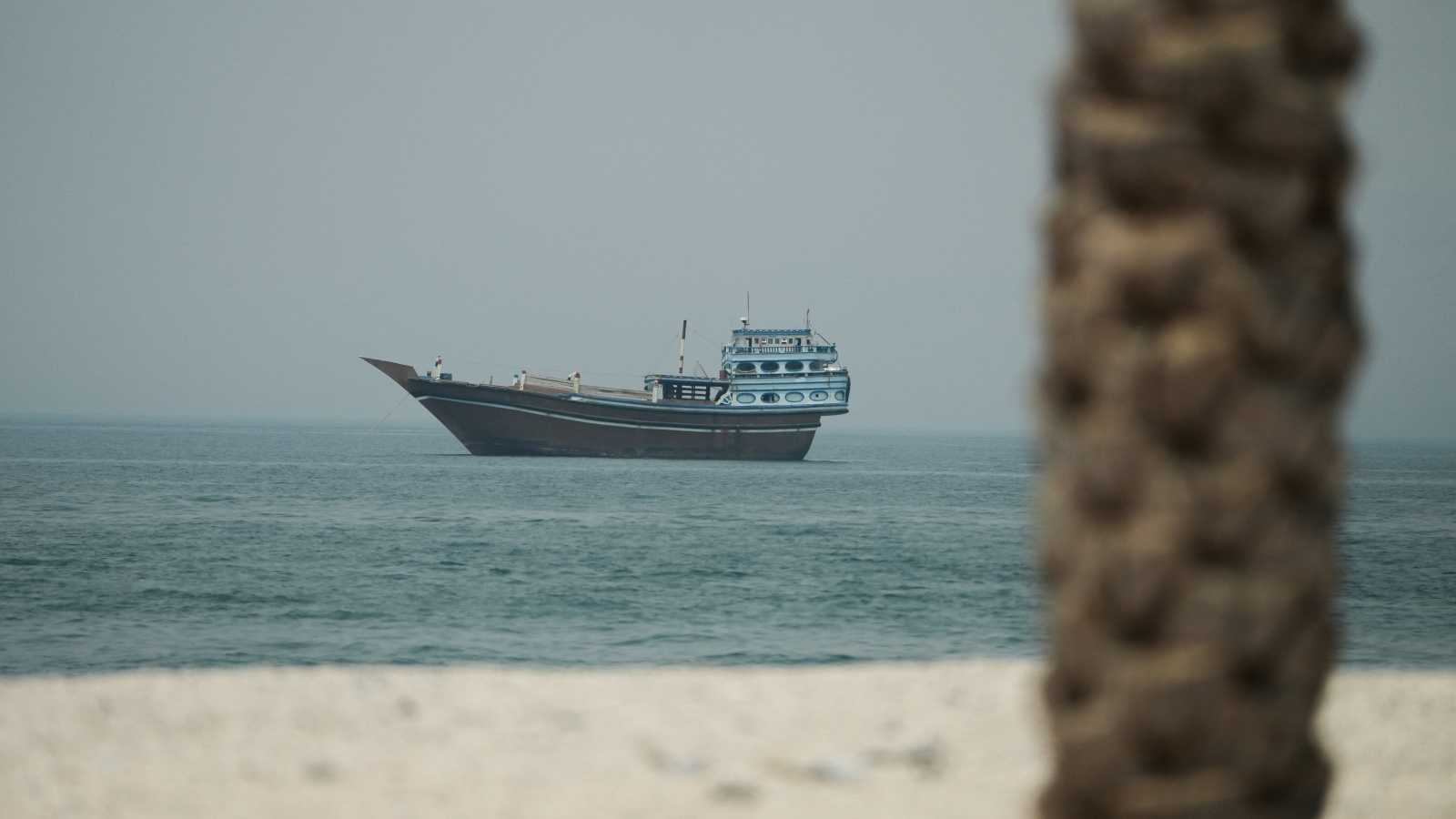
The Strait of Hormuz, a choke‑point through which roughly a fifth of the world’s oil passes, has been a flashpoint in the escalating US‑Iran rivalry. Over the past weeks, the United States has conducted nightly airstrikes against Iranian positions, while Tehran announced a temporary closure of the strait. President Donald Trump, moments before reinstating a 20 % transit fee, announced a shift to trade‑and‑investment deals with Gulf states, adding further uncertainty to the region’s security dynamics.
India’s Diplomatic Response
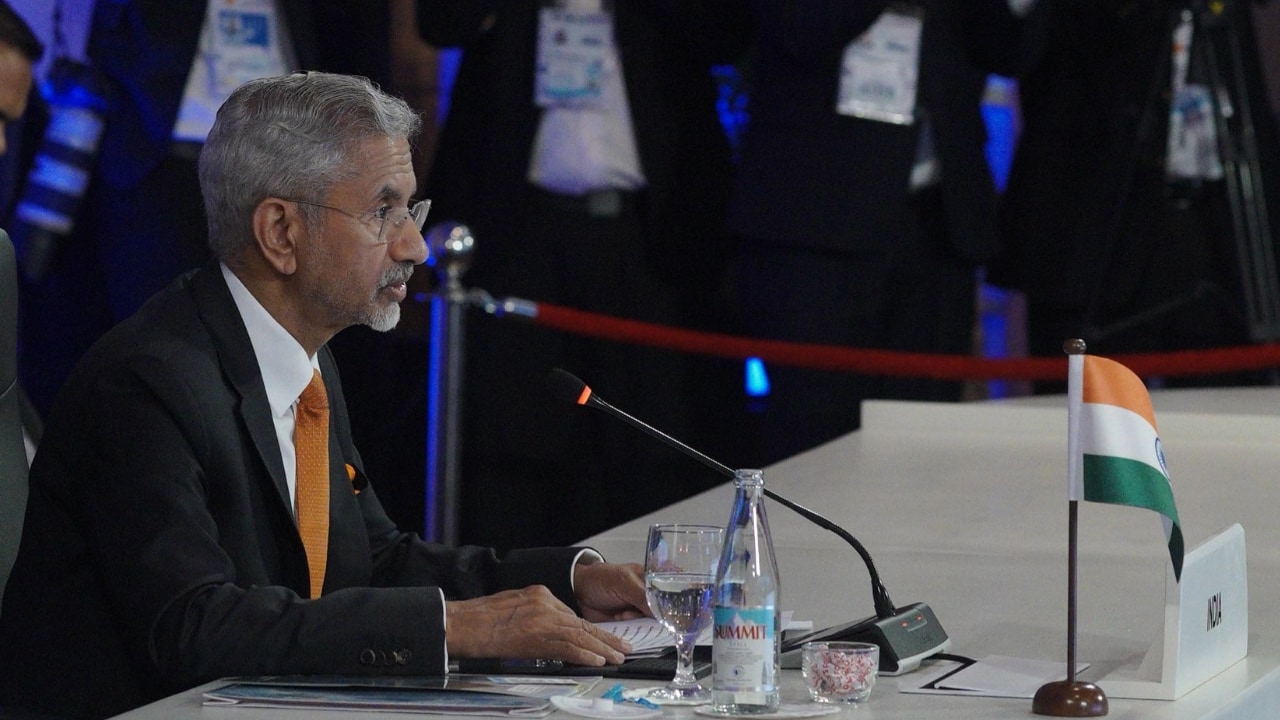
India’s Ministry of External Affairs (MEA) summoned the Iranian Deputy Chief of Mission in New Delhi, delivering a “strong protest” against the attacks. The statement emphasized the need for “free and unimpeded navigation” and called for an immediate cessation of violence targeting commercial shipping and civilian infrastructure. The MEA also expressed condolences to the bereaved family and pledged assistance to the injured crew members.
Implications and Outlook
Continued hostilities risk disrupting global oil supplies, potentially spiking energy prices worldwide. Maritime security analysts warn that prolonged instability in the Hormuz corridor could undermine the economic security of nations far beyond the Middle East. A diplomatic resolution, involving India, the UAE, Iran, and the United States, remains the most viable path to restore confidence in one of the world’s most critical sea lanes.