The memorandum signed on June 17 faces two major obstacles – the ongoing war in Lebanon and tensions over the Strait of Hormuz – jeopardizing the fragile cease‑fire between Washington and Tehran.
मुख्य बिंदु (Key Takeaways)
- The Lebanon conflict undermines regional cease‑fire stability.
- Iranian attacks in the Strait of Hormuz triggered a robust U.S. retaliation.
- Escalating bilateral tensions now put the U.S.-Iran agreement at risk.
U.S. President Donald Trump announced on July 8, 2026, while in Ankara for a NATO summit, that the cease‑fire with Iran was “over.” The statement followed a series of tit‑for‑tat strikes overnight – U.S. air raids on Iranian assets and Iranian missile attacks on U.S. bases – that have already strained the already‑fragile agreement.
Lebanon War: First Major Hurdle
The war in Lebanon, especially the escalating clashes between Hezbollah and Israel, has turned the Middle East into a volatile security arena. Washington has deepened its involvement, while Tehran continues to back Hezbollah. This proxy dynamic erodes trust between Washington and Tehran, making the implementation of the June 17 MoU increasingly problematic.
Strait of Hormuz: The Energy Choke Point
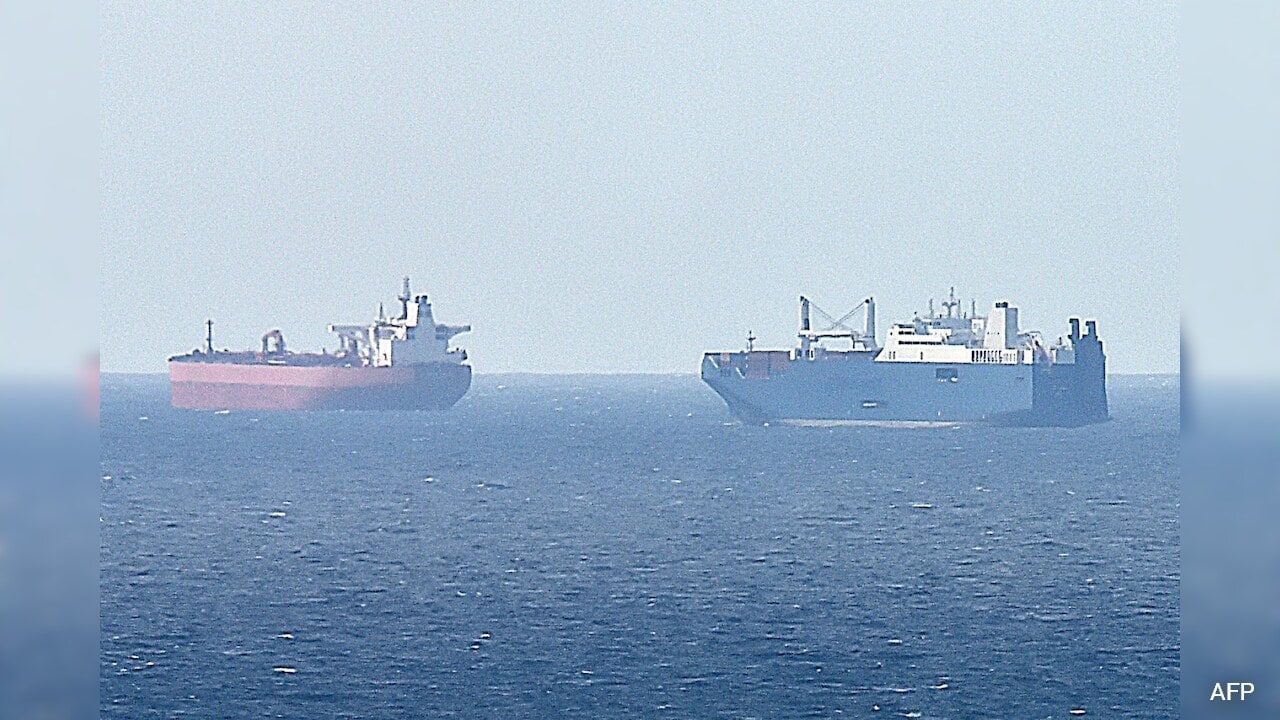
The Strait of Hormuz is a critical artery for global oil shipments. The United States accused Iran of targeting commercial vessels in the strait, prompting a renewed sanctions regime on Iranian oil and a wave of U.S. strikes. Iran, in turn, struck U.S. installations in Bahrain and Kuwait and claimed to have downed an American MQ‑9 drone. These reciprocal attacks have turned the strait into a flashpoint that threatens the cease‑fire’s durability.
Future Outlook and International Reaction
Experts warn that unless the Lebanon conflict de‑escalates and the Hormuz tensions are addressed, the cease‑fire is unlikely to survive. The European Union and the United Nations have called for restraint, but concrete diplomatic steps remain elusive. Potentially harsher sanctions and shifting regional alliances could further destabilise the agreement.
In short, the U.S.-Iran cease‑fire now rests on a precarious balance of two intertwined challenges – a ground war that fuels regional animosity and a maritime corridor whose strategic importance fuels retaliation. Without swift dialogue, the agreement may well unravel.