India’s Ministry of External Affairs says the ongoing protests in Pakistan‑occupied Jammu & Kashmir stem from Pakistan’s long‑standing exploitation and rights violations. The ministry urges the global community to hold Pakistan fully accountable for these abuses.
Key Takeaways
- Current protests in PoJK are a direct fallout of Pakistan’s decades‑long exploitation.
- MEA urges the international community to hold Pakistan accountable for human‑rights violations.
- JAAC has announced a long march on July 15 demanding the implementation of a 38‑point charter and an end to security crackdowns.
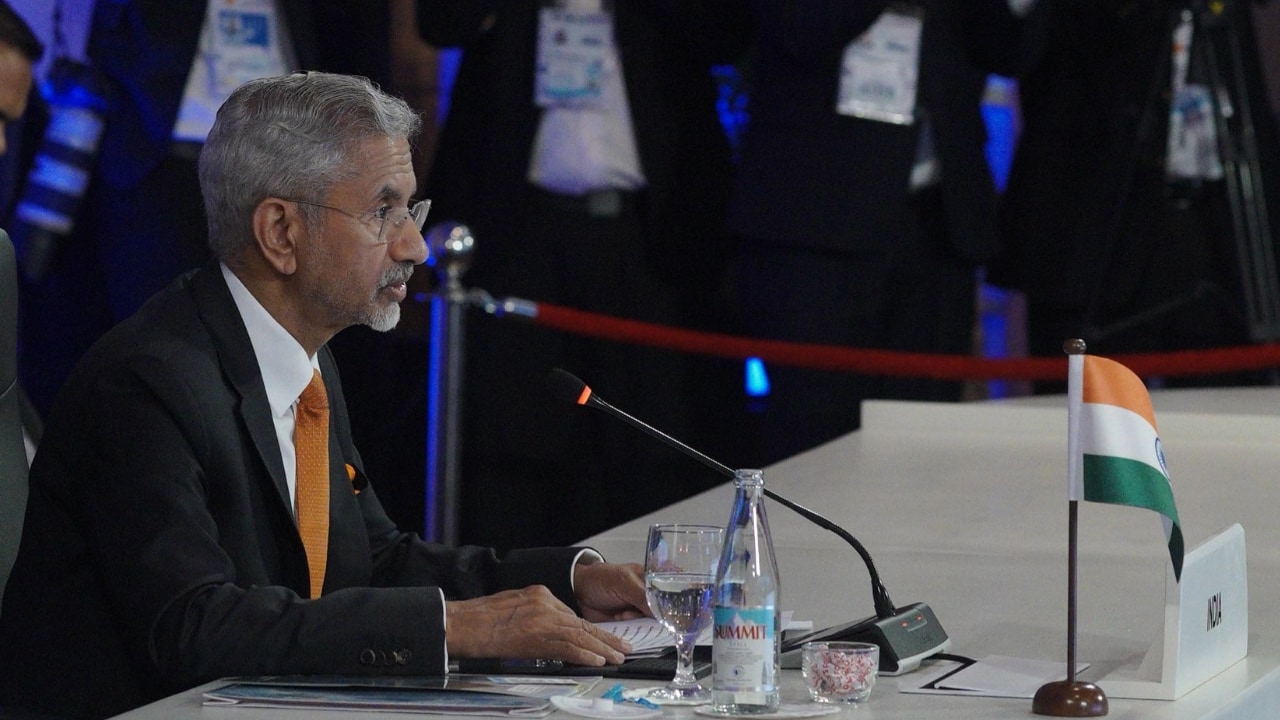
On July 14, 2026, spokesperson Randhir Jaiswal of India’s Ministry of External Affairs (MEA) told reporters that the unrest sweeping Pakistan‑occupied Jammu & Kashmir (PoJK) is a “direct consequence of Pakistan’s decades‑long systemic exploitation, denial of fundamental rights and administrative oppression.” He added that the Pakistani state has responded to legitimate local grievances with excessive police brutality, internet blackouts, supply blockades, and lethal force against unarmed civilians.
Historical Context and Triggers
Since the 1947‑48 partition, PoJK has been a flashpoint of Indo‑Pakistani rivalry, marked by periodic human‑rights crises. In 2025, the Joint Awami Action Committee (JAAC) released a 38‑point charter demanding the release of detained leaders, removal of economic restrictions, and greater autonomy for the region. Pakistan’s refusal to act on these demands sparked a series of protests, culminating in a planned long march to Muzaffarabad on July 15.
MEA’s International Appeal
Jaiswal emphasized, “We expect and hope that the international community will hold Pakistan fully accountable for these egregious abuses and misdeeds.” He highlighted the targeting of women and children, obstruction of food and medicine supplies, and the forced internet shutdown as violations of basic human rights. The statement signals India’s intent to push the issue onto global platforms such as the United Nations and the International Criminal Court.
Potential Ramifications
If the appeal gains traction, Pakistan could face coordinated economic sanctions, diplomatic isolation, and heightened scrutiny at UN forums. Conversely, heightened global attention may embolden PoJK’s civil society, potentially leading to more organized and larger‑scale demonstrations. International human‑rights NGOs are now urged to investigate and document the alleged abuses.
Looking Ahead
With the July 15 long march imminent, diplomatic channels appear strained. MEA’s firm stance underscores that any resolution must be backed by international pressure, not merely bilateral talks. The region’s stability and humanitarian situation hang in the balance, making the upcoming days critical for both diplomatic maneuvering and on‑ground activism.