Yemen's Iran‑backed Houthis launched missiles and drones at Abha International Airport, prompting airlines such as flydubai, Saudia, flynas and Flyadeal to suspend flights. The attack underscores the spill‑over of the US‑Iran conflict into the broader West Asian security landscape.
Key Takeaways
- Houthis targeted Abha Airport with missiles and drones
- flydubai, Saudia, flynas and Flyadeal cancelled multiple flights
- The incident reflects escalating US‑Iran tensions and Saudi‑Houthi rivalry
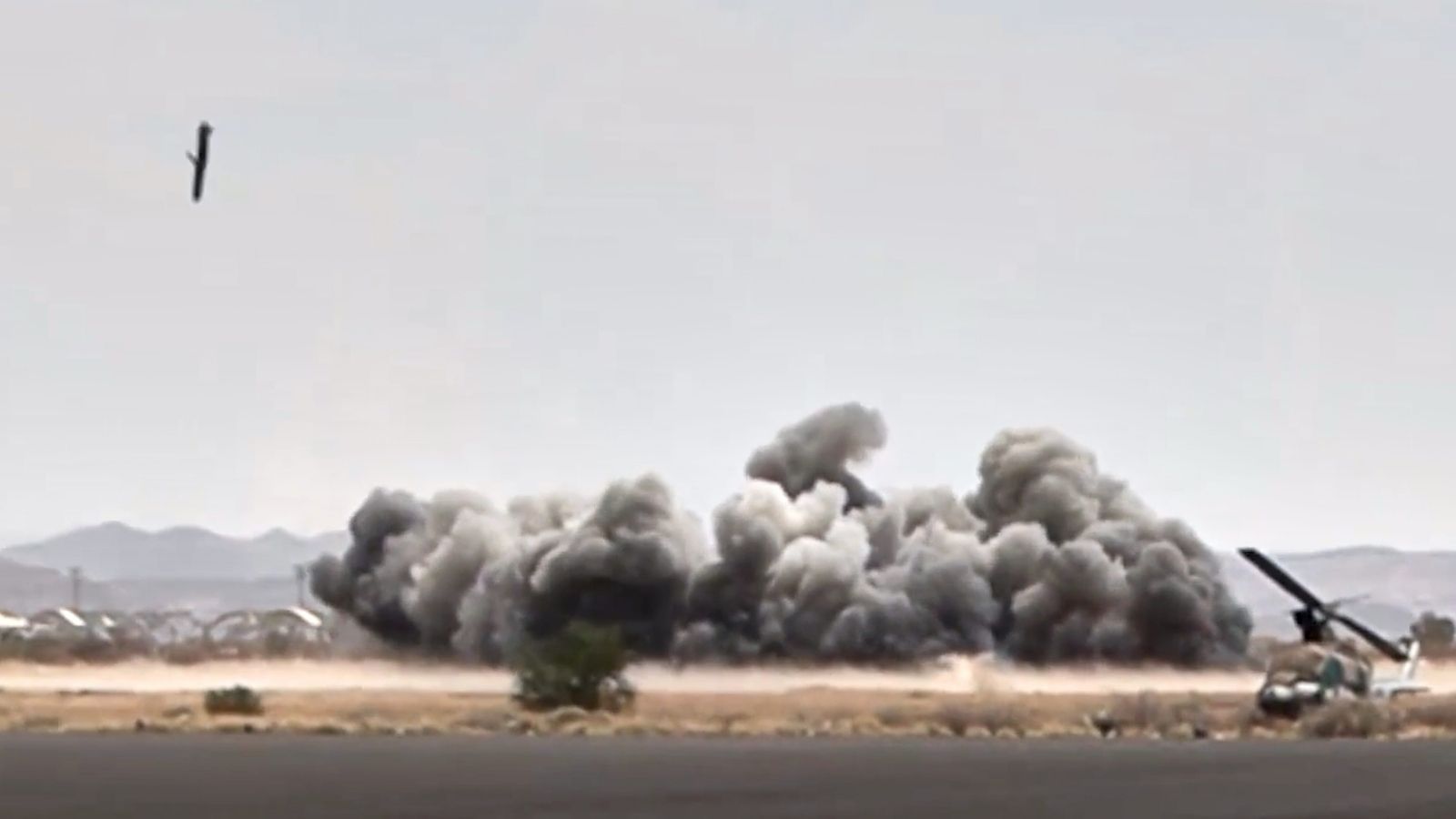
Yemen’s Iran‑aligned Houthi rebels claimed responsibility for a missile and drone strike on Saudi Arabia’s Abha International Airport late Monday night. The assault forced major carriers—flydubai, Saudia, flynas and Flyadeal—to cancel several inbound and outbound flights, disrupting travel across the kingdom and the Gulf region.
Background and Motive
The Houthis said the attack was retaliation for Saudi‑led airstrikes on Sana’a International Airport, which the rebels blamed on Saudi Arabia. The incident follows a sharp escalation in the US‑Iran rivalry, where Washington and Tehran have exchanged airstrikes and missile launches in recent weeks. President Donald Trump’s announcement of a renewed blockade of Iranian ports and a fee on vessels transiting the Strait of Hormuz further inflamed the situation, prompting Iran to target US allies in the region.
Immediate Airport Impact
Saudi air‑defence systems intercepted the ballistic missiles aimed at the southern province, preventing any casualties. Nonetheless, the temporary closure of Abha Airport forced airlines to adjust schedules. According to the Khaleej Times, flydubai withdrew its Dubai‑Abha services scheduled for 10:25 am and 4:05 pm, diverting the Monday flight to Taif and providing passengers with refreshments and ground transport. The carrier also cancelled all flights to and from Abha and Najran on Tuesday while monitoring the situation.
Domestic Flight Disruptions
Saudi carriers followed suit. Saudia suspended routes between Abha‑Riyadh and Abha‑Jeddah, while flynas and Flyadeal cancelled several services to and from Jeddah. Flight‑data aggregators reported at least ten departures from Abha being scrubbed between late morning and early evening on Tuesday. Travelers between the UAE and Saudi Arabia have been urged to verify flight status before heading to airports.
Regional and Global Implications
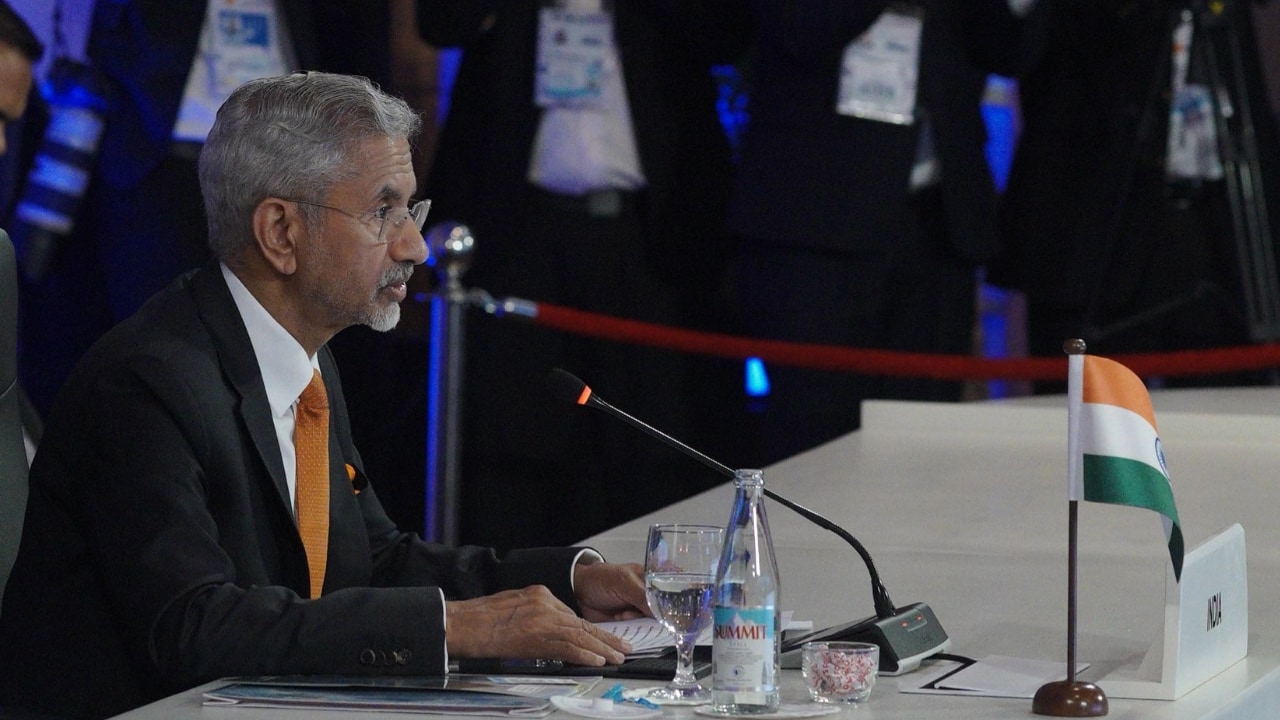
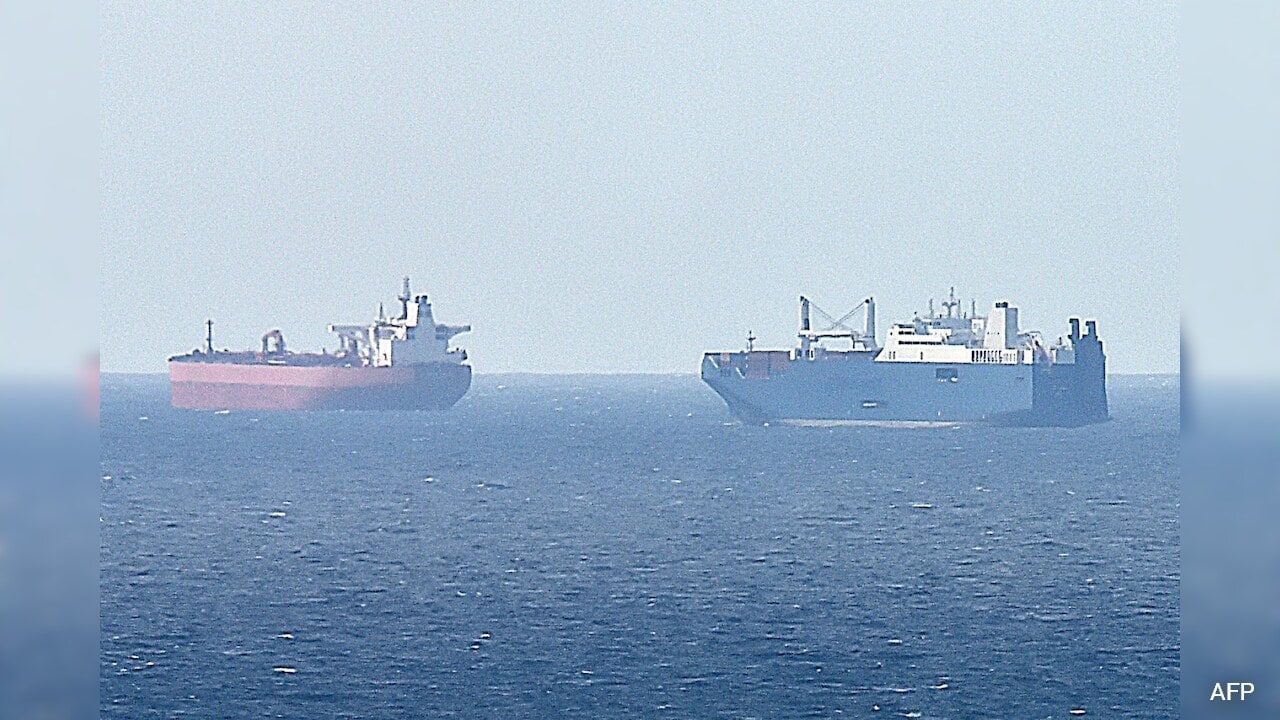
The strike marks one of the most serious escalations involving Saudi Arabia and the Houthis since the UN‑brokered 2022 cease‑fire. It also coincides with broader geopolitical turbulence: India recently suffered the loss of an Indian seafarer and injuries to ten others after Iranian attacks on two oil tankers in the Strait of Hormuz. New Delhi has condemned the attacks, summoned the Iranian deputy envoy, and called for an immediate halt to maritime aggression.
Looking Ahead
While Saudi defences neutralised the incoming missiles, the episode signals that air‑space and maritime routes in West Asia remain vulnerable to rapid shifts in US‑Iran dynamics. Airlines are likely to continue reviewing schedules, and shipping companies must remain alert to possible disruptions in the strategically vital Hormuz corridor.