U.S. reinstated a naval blockade on Iran and intensified strikes in the Strait of Hormuz, pushing crude oil to a four‑week peak. The surge has reignited concerns over global energy supply and added volatility to financial markets.
Key Takeaways
- Crude oil climbs to a one‑month high
- U.S. re‑imposes naval blockade on Iran
- Escalating Hormuz tensions destabilise global energy markets
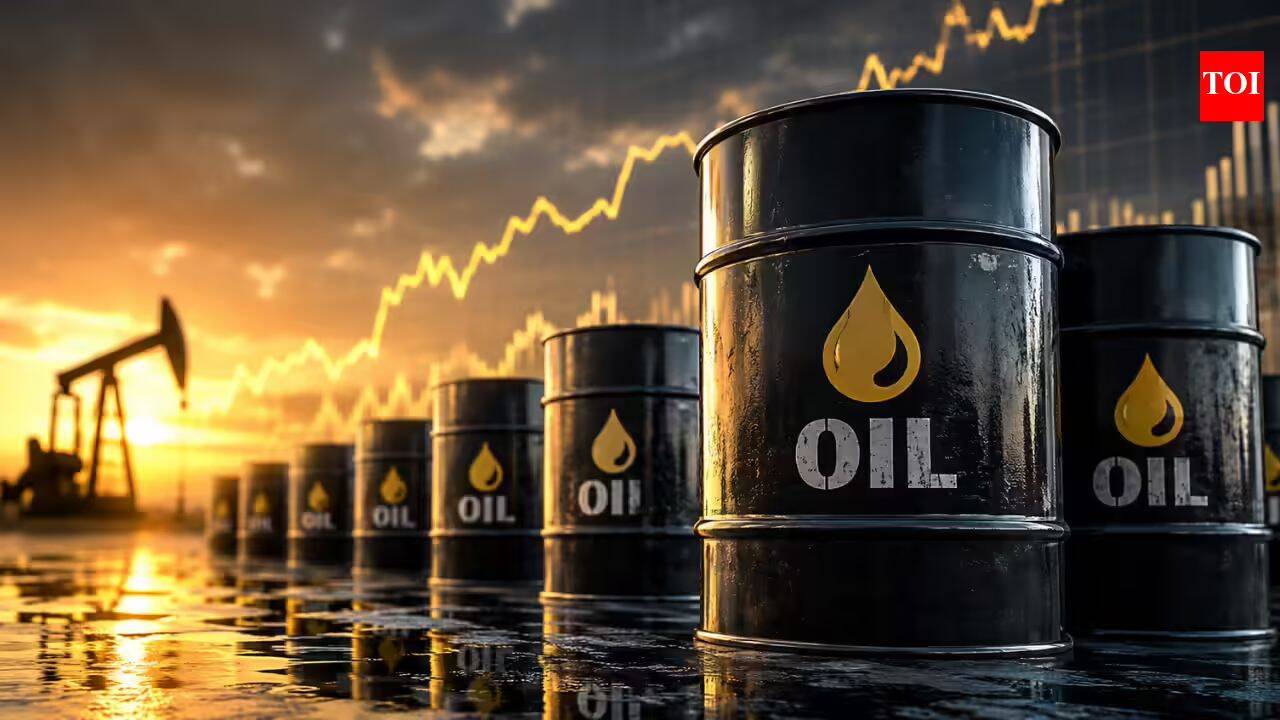
Oil prices surged on Tuesday, reaching their highest levels in four weeks after the United States re‑imposed a naval blockade on Iran and stepped up military strikes around the Strait of Hormuz. Brent crude futures rose $1.68, or 2%, to $84.98 a barrel, while U.S. West Texas Intermediate (WTI) gained $1.65, or 2.1%, to $79.79 a barrel in early trade.
Background of the Conflict
On June 17, the U.S. and Iran signed a memorandum of understanding intended to de‑escalate hostilities. However, President Donald Trump announced a renewed blockade of Iranian shipping in the Hormuz Strait, stating, “We’re hitting them very hard… We’re controlling the strait and putting the blockade back.” This marks a stark departure from decades of U.S. policy that supported unrestricted navigation through one of the world’s busiest oil corridors.
Regional Repercussions
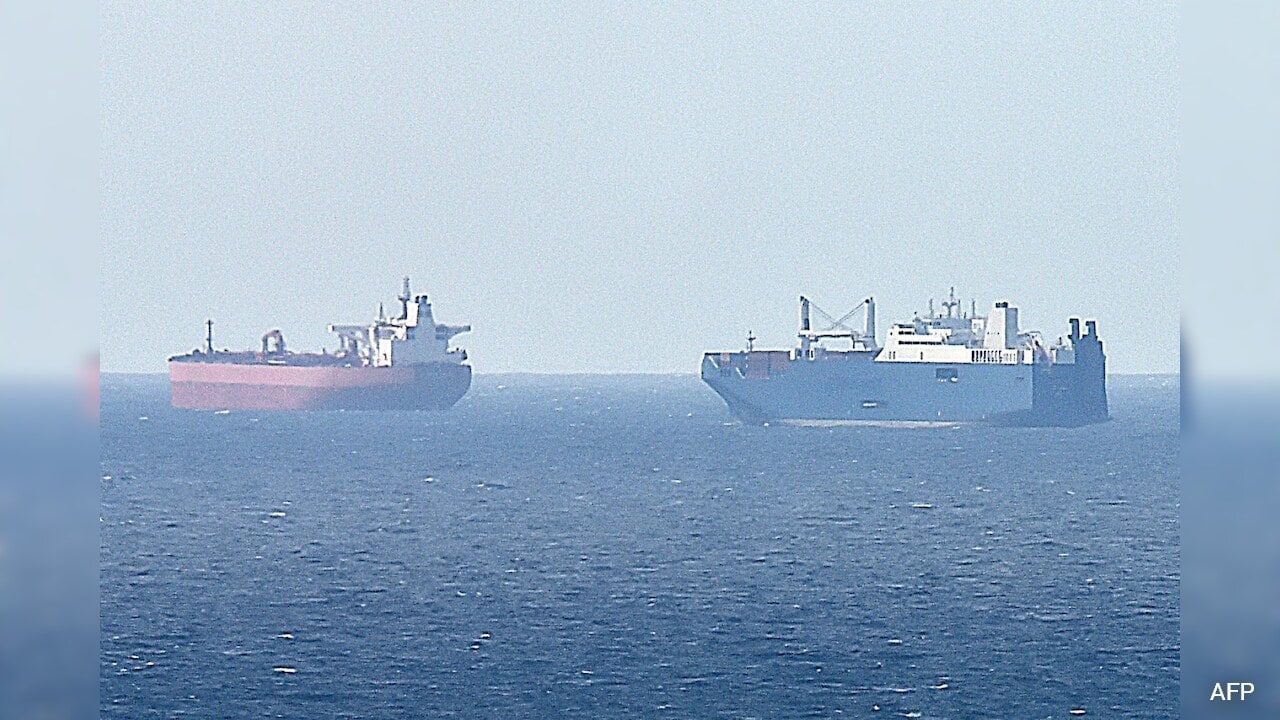
The United Arab Emirates Ministry of Defence reported that two UAE oil tankers were struck by Iranian cruise missiles while transiting the southern lane of the Strait, killing an Indian crew member and injuring eight others. Iran also launched attacks on Bahrain and other vessels in the region. Meanwhile, U.S. Central Command confirmed a third consecutive night of strikes against Iranian military targets, emphasizing that “these strikes will continue imposing a heavy cost on Iranian forces.”
Market and Economic Impact
The price rally has spilled over into global equity markets. On Monday, the S&P 500 slipped 0.7%, the Dow Jones Industrial Average fell 0.4%, and the Nasdaq Composite dropped 1.4% as investors priced in heightened geopolitical risk. Analysts caution that while prices remain well below the wartime peak of nearly $120 per barrel, further escalation could trigger sharper volatility in energy markets.
Looking Ahead
Energy security experts warn that any prolonged disruption of the Strait of Hormuz—responsible for roughly a fifth of global oil shipments—could reverberate across supply chains worldwide. Diplomatic engagement, rather than continued military posturing, appears essential to prevent a prolonged energy crisis and safeguard economic stability.