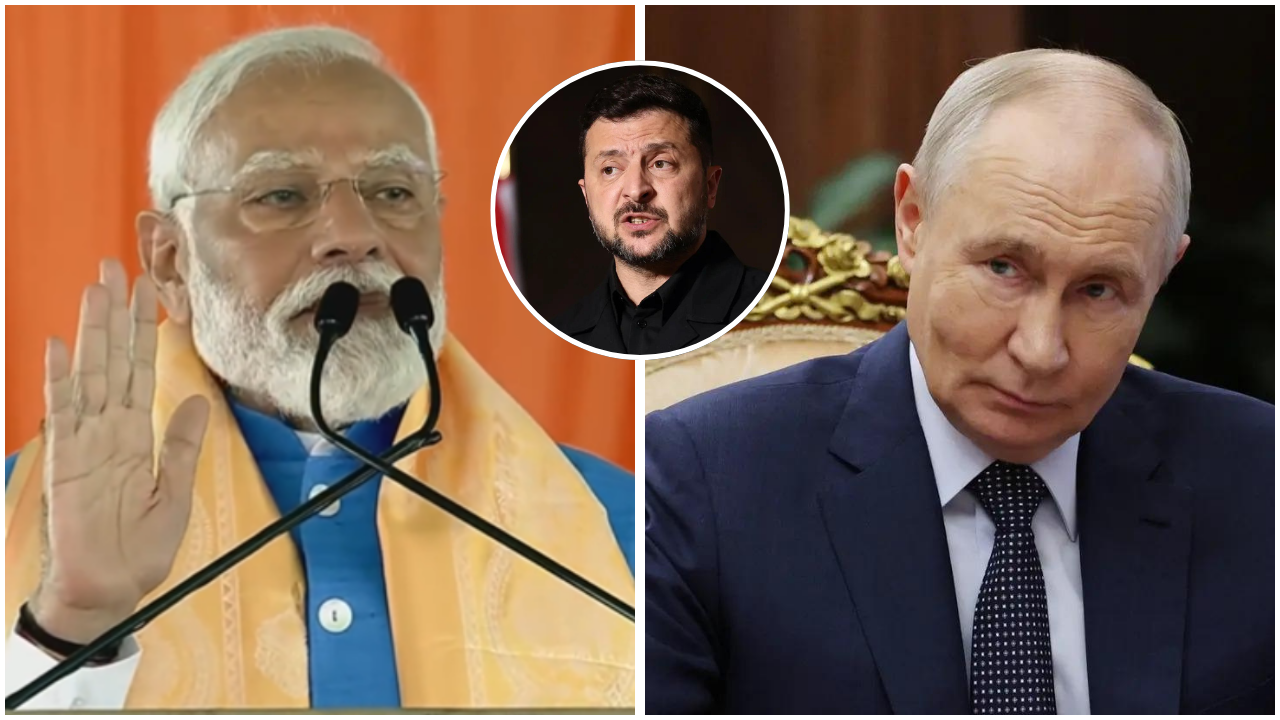
Poland’s foreign minister Władysław Bartoszewski said Prime Minister Narendra Modi played a pivotal role in stopping Russian President Vladimir Putin from using tactical nuclear weapons against Ukraine in late 2022. He highlighted India’s historic ties with Russia as the key channel for this influence.
Key Takeaways
- Modi’s personal diplomatic clout is credited with averting a tactical nuclear strike.
- India‑Russia’s long‑standing relationship gives New Delhi a unique communication conduit.
- Such high‑level interventions could set a precedent for preventing future large‑scale conflicts.
Polish Foreign Minister Władysław Bartoszewski told reporters on July 15, 2026 that Indian Prime Minister Narendra Modi intervened at the end of 2022 to stop President Vladimir Putin from deploying tactical nuclear weapons against Ukraine. Bartoszewski emphasized that only a handful of world leaders can genuinely influence Putin, and Modi is among them.
Historical Context
The Russia‑Ukraine war erupted on 24 February 2022 when Moscow launched a full‑scale invasion. Analysts warned early on that if the conflict escalated, Putin might consider tactical nuclear use, a move that would have reshaped global security. Throughout the crisis, India has consistently advocated dialogue and diplomacy, positioning itself as a trusted interlocutor for both Moscow and Kyiv.
Modi’s Diplomatic Leverage
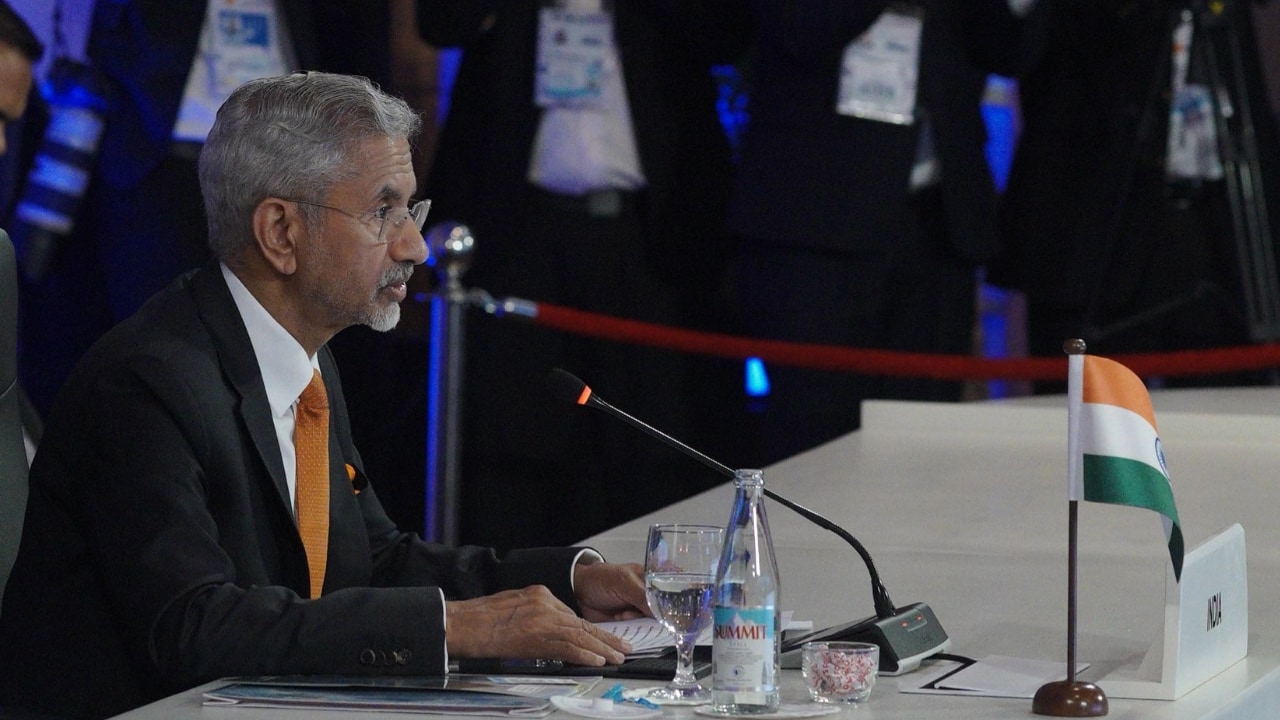
Bartoszewski noted that India’s relationship with the Russian Federation dates back to the Soviet era, when New Delhi pursued a non‑aligned stance. This historic bond means Moscow does not view India as an adversary, allowing Modi’s messages to reach Putin directly. In a July 2024 meeting in Moscow, Modi warned that “war cannot solve problems” and urged a return to peace talks.
Potential Impact and Future Trajectory
If the Polish minister’s claim holds true, it underscores the potency of India’s foreign policy toolbox—particularly its ability to act as a bridge between rival powers. Such diplomatic successes could encourage other non‑aligned nations, including China, to leverage their relationships with Russia to curb further escalation.
Expert Analysis
International relations scholar Dr. Rajesh Kumar observes, “India’s balanced approach has granted it a rare seat at the table where strategic decisions are made. Successful mediation of a nuclear‑escalation scenario would set a powerful precedent for conflict resolution worldwide.” He cautions, however, that maintaining this role requires careful calibration of national interests and global expectations.