Bangladesh's State Minister for Foreign Affairs, Shama Obaed Islam, has declared that exiled former Prime Minister Sheikh Hasina will face immediate imprisonment upon her surrender, whether in India or Bangladesh. This comes amid Hasina's stated intentions to return to her homeland despite facing numerous legal challenges.
Key Takeaways
- Former Bangladesh PM Sheikh Hasina will face immediate arrest and jail upon surrender, according to State Minister Shama Obaed Islam.
- Hasina has expressed her intention to return to Bangladesh "without any fear of death."
- The political transition in Bangladesh continues to create diplomatic tension between Dhaka and New Delhi.
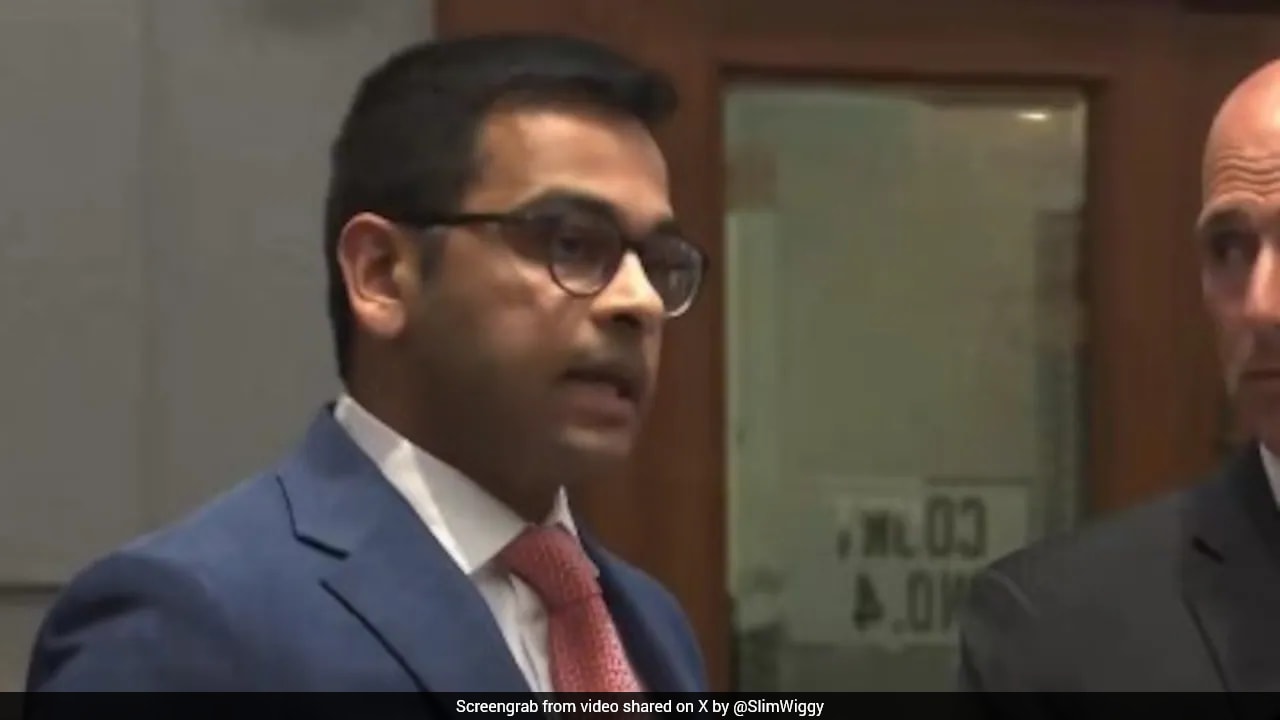
In a stern warning that underscores the deepening political shifts in Dhaka, Bangladesh's newly appointed State Minister for Foreign Affairs, Shama Obaed Islam, has made it clear that exiled former Prime Minister Sheikh Hasina will face immediate incarceration upon her return. Islam stated that regardless of where Hasina surrenders—be it within Bangladesh or at a diplomatic outpost in India—the legal process dictates that she must be sent to jail first.
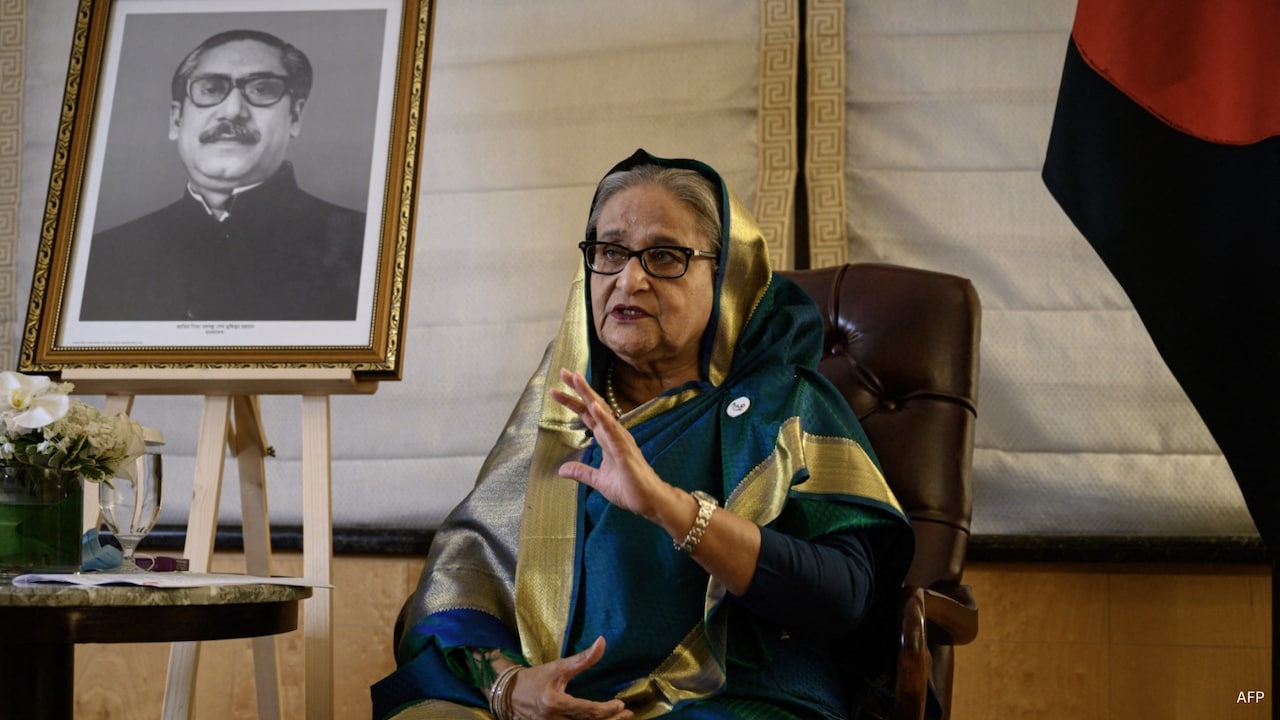
Sheikh Hasina, who ruled Bangladesh with an iron fist for over fifteen years, was forced to flee the country in August 2024 following a massive student-led uprising. The protests, which began over a controversial civil service quota system, quickly escalated into a nationwide movement demanding her resignation. Since her dramatic departure via a military helicopter, Hasina has been taking refuge in India, a transition that has complicated bilateral ties between New Delhi and the newly formed interim government in Dhaka.
Despite the mounting legal troubles and multiple charges of human rights abuses, extrajudicial killings, and corruption filed against her, Sheikh Hasina has recently signaled her desire to return to Bangladesh. Reports suggest she plans to return "without any fear of death" to face the charges. However, the interim administration, led by Nobel laureate Muhammad Yunus, has reiterated that the rule of law will be strictly applied to the former leader, ruling out any special political compromises.
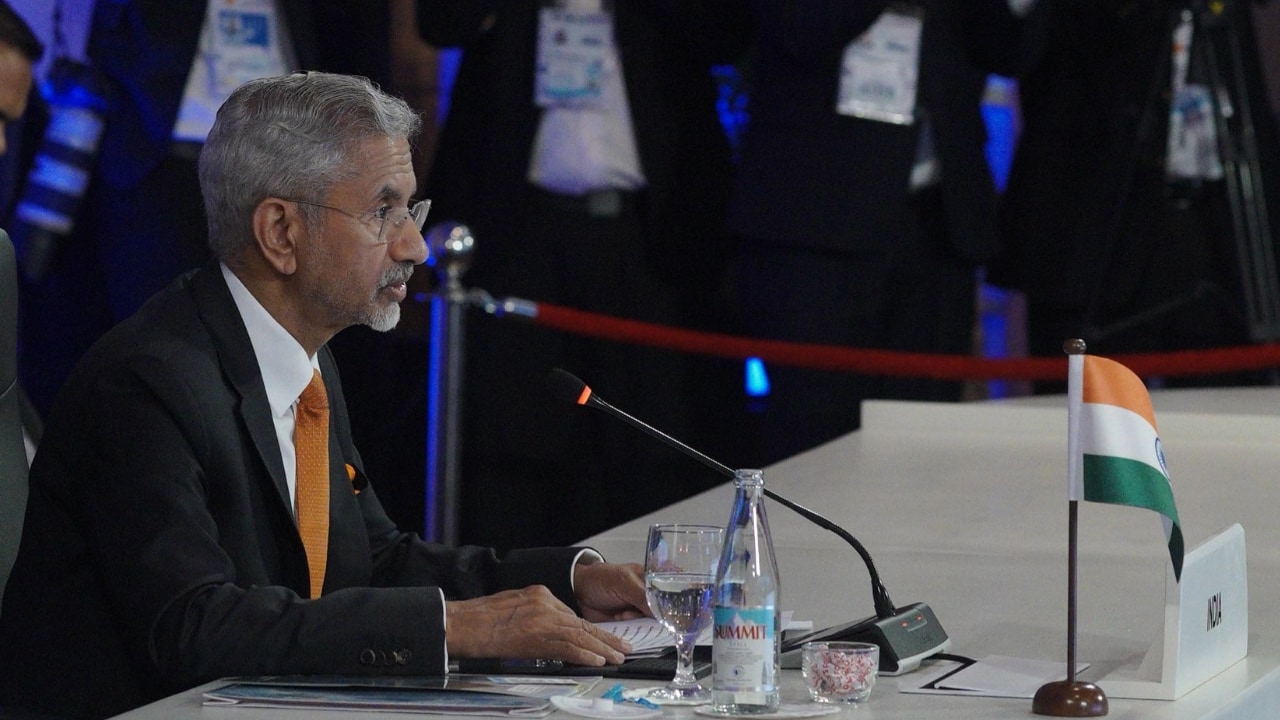
The situation presents a delicate diplomatic challenge for India. New Delhi has historically enjoyed close ties with Hasina's Awami League government. Hosting her while Dhaka demands her extradition for trial places Indian policymakers in a complex position. Shama Obaed Islam’s remarks signal that Dhaka expects full cooperation from neighboring nations in bringing Hasina to justice, setting up a potential diplomatic standoff if formal extradition requests are pursued.
As Bangladesh navigates this turbulent transitional phase, the fate of Sheikh Hasina remains a central focal point of national discourse. The interim government's insistence on immediate imprisonment reflects a broader effort to dismantle the legacy of her regime and appease the public demand for accountability. Whether Hasina actually makes the journey back to face the judiciary remains to be seen, but the political stage is set for a high-stakes legal battle.