U.S. President Donald Trump withdrew the proposed 20% fee on cargo transiting the Strait of Hormuz, pledging massive Gulf investment agreements instead. The announcement also reaffirmed a full blockade on Iranian vessels while praising U.S. military protection of the waterway.
Key Takeaways
- Trump scrapped the 20% Hormuz toll
- Gulf states will provide large trade and investment deals
- Full blockade maintained on Iranian‑linked shipping
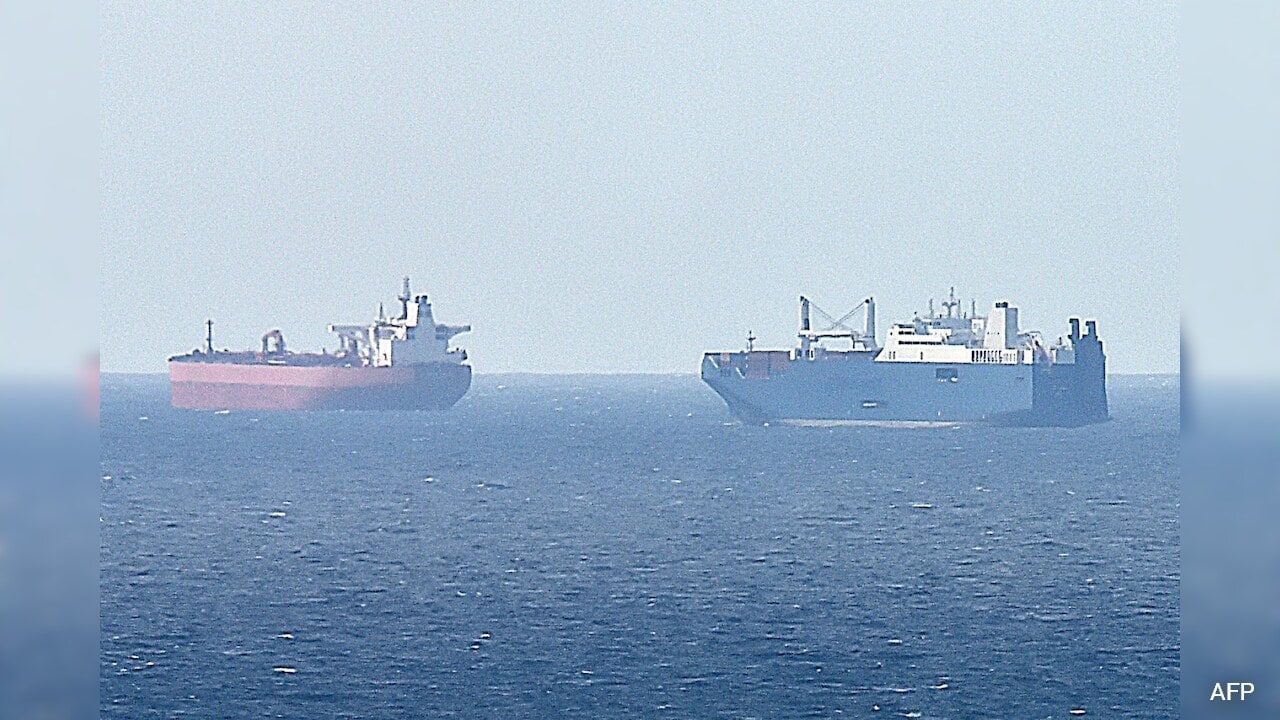
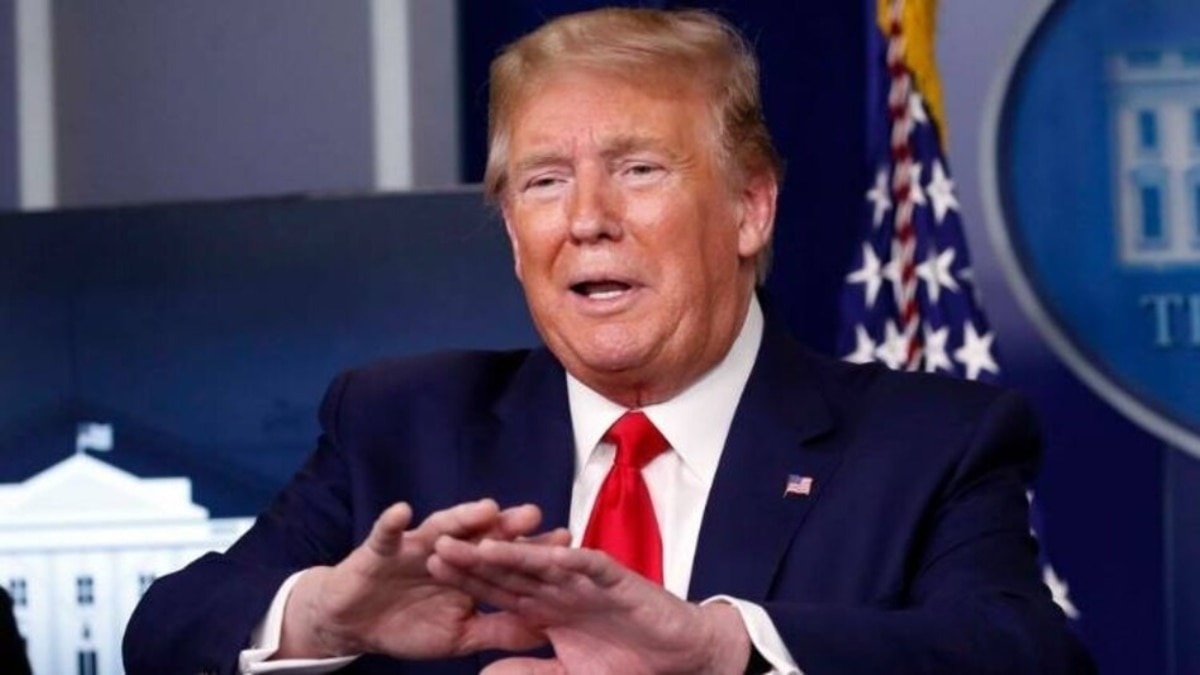
President Donald Trump announced on Tuesday via his Truth Social platform that the 20% reimbursement fee for cargo passing through the Strait of Hormuz is no longer in effect. He emphasized that the strait remains open to global shipping, except for vessels tied to Iran, and credited the United States military for keeping this critical maritime route secure.
Policy Shift After a Day of Controversy
Just a day earlier, Trump had declared the United States the "Guardian of the Hormuz Strait" and introduced a 20% fee on all cargo. Iran’s foreign minister, Abbas Araghchi, mocked the move, calling the rate “excessive.” Following intensive talks with Gulf leadership, Trump reversed course, stating that the fee would be replaced by "massive" trade and investment commitments from Gulf nations.
Economic Promise Behind the New Deal
According to the president, the forthcoming Gulf agreements will bring "historic" levels of factories, plants, and equipment to the United States, creating “millions of high‑paying American jobs.” He framed the shift as a win‑win: while the United States foregoes a direct toll, it gains long‑term economic partnerships that could reshape Gulf‑U.S. trade relations.
Full Blockade on Iranian Shipping
Simultaneously, Trump announced a "FULL Blockade" targeting ships that originate from, head to, or carry Iranian cargo. He reiterated that Iran is on a "path of total destruction" and vowed that Tehran will never acquire a nuclear weapon. The president also lauded senior military figures—Secretary of Defense Pete Hegseth, Joint Chiefs Chairman Dan Caine, and CENTCOM Commander Admiral Brad Cooper—for their role in safeguarding the waterway.
Implications for Regional Stability
This abrupt policy reversal highlights a strategic pivot from a direct revenue model to an investment‑driven approach. While Gulf states stand to benefit from deeper economic ties with Washington, the continued blockade on Iranian vessels sustains heightened tensions in the Gulf. Analysts warn that the balance between commercial incentives and geopolitical risk will determine whether the Hormuz Strait remains a conduit for global trade or a flashpoint for conflict.