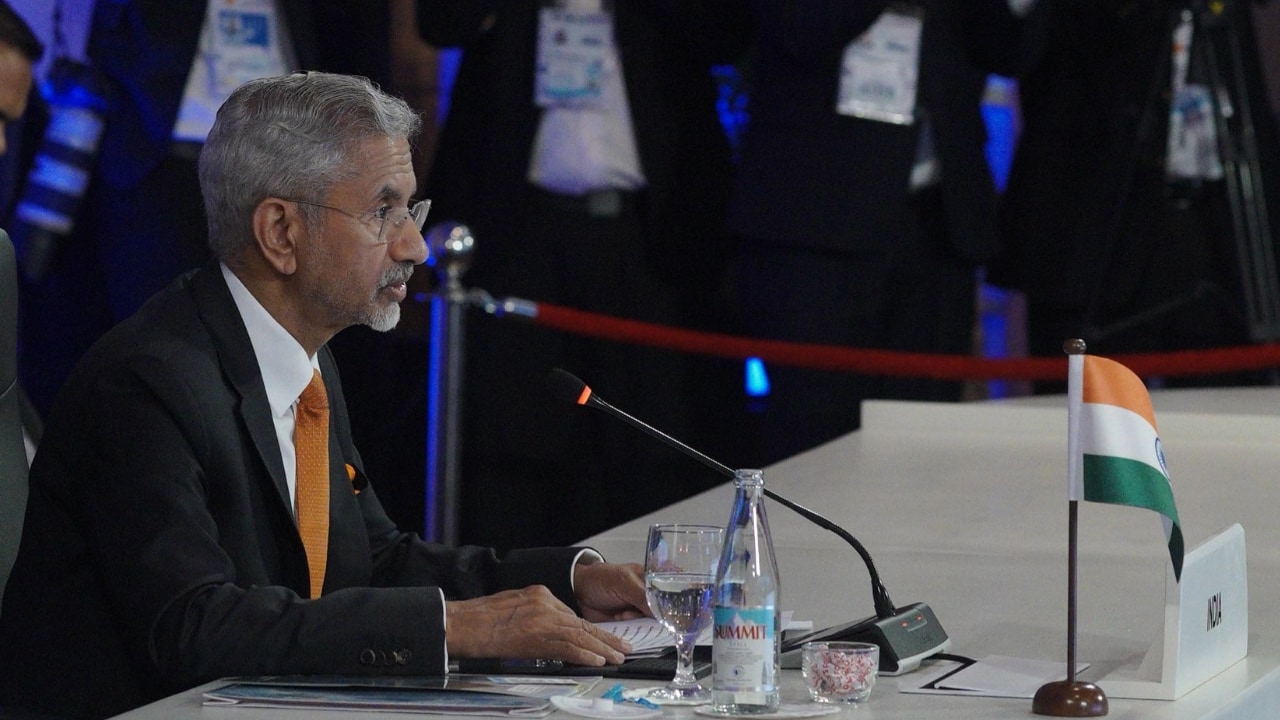
U.S. President Donald Trump welcomed Iraqi Prime Minister Ali al‑Zaidi at the White House to negotiate the disarmament of Iran‑backed militias and a major oil pipeline agreement. The meeting marks a strategic push to deepen bilateral economic ties while addressing regional security concerns.
Key Takeaways
- Trump welcomes al‑Zaidi at the White House
- Disarmament of Iran‑backed militias is a top priority
- A multi‑billion‑dollar oil pipeline deal is set to be signed
Washington – President Donald Trump invited Iraq’s newly‑appointed Prime Minister Ali al‑Zaidi to the White House on Tuesday for high‑level talks focused on dismantling Iran‑backed militias and sealing a landmark energy agreement. The dialogue underscores Washington’s dual aim of curbing destabilising forces in Baghdad while expanding U.S. investment in Iraq’s infrastructure.
Background and Rise of al‑Zaidi
Al‑Zaidi, a billionaire businessman with no prior political experience, emerged as a consensus candidate after a protracted deadlock following last year’s parliamentary elections. His appointment was welcomed by the Trump administration, which had previously opposed former premier Nouri al‑Maliki for his perceived closeness to Tehran. Observers have dubbed al‑Zaidi “the Trump of the Middle East” because of his commercial background and outsider status.
Militia Disarmament Challenge
Irak’s security landscape is riddled with numerous militias that receive funding and weapons from Iran. These groups have repeatedly targeted U.S. bases and diplomatic missions, especially after the February conflict involving the United States and Israel. Washington has given the militias a deadline of the end of September to lay down arms, but the most powerful factions have signalled resistance. In advance of the Oval Office meeting, a senior Trump administration official warned that future U.S. aid would be contingent on measurable progress in disarmament.
Oil Pipeline Agreement
Simultaneously, Iraqi officials disclosed that a deal is expected to be signed on Friday involving U.S. firms Chevron and TI Capital, Qatar’s UCC, and the Iraqi government. The proposed pipeline will connect Basra in the south to Haditha in the west, then onward to the Turkish port of Ceyhan and Syria’s Baniyas port, with a capacity of roughly 2 million barrels per day. The project is touted as a cornerstone for Iraq’s energy export strategy and a significant commercial win for American investors.
Expert Perspectives and Future Outlook
Victoria Taylor of the Atlantic Council cautions that while al‑Zaidi’s business‑first approach may appeal to investors, the political reality in Baghdad is far more complex. Renad Mansour of Chatham House warns that aggressive militia‑targeted actions could provoke retaliation against the government itself. Nonetheless, the convergence of security, diplomatic, and economic interests makes this visit a pivotal moment for U.S.–Iraq relations.