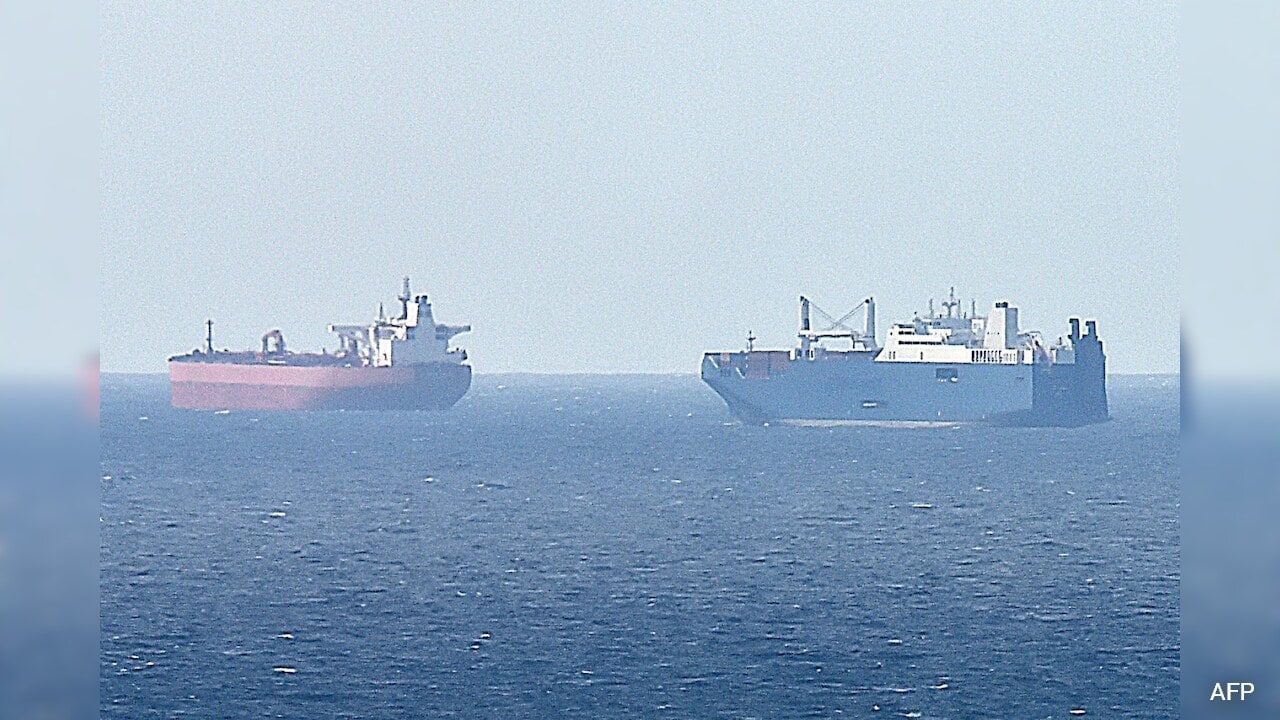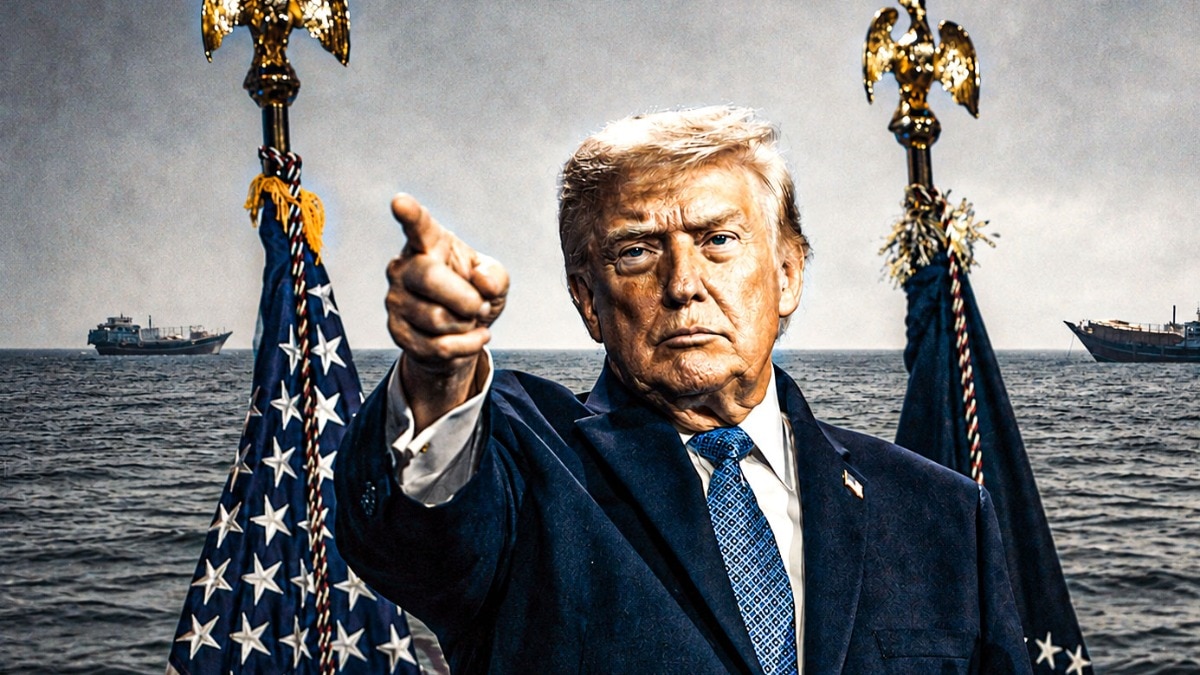
U.S. President Donald Trump has withdrawn his plan to impose a 20% cargo fee on ships transiting the Strait of Hormuz, shifting focus to expansive trade and investment agreements with Gulf states. The move reshapes the geopolitical calculus in the Middle East.
Key Takeaways
- Trump abandons the 20% Hormuz cargo toll proposal.
- Emphasis shifts to large‑scale trade and investment deals with Gulf nations.
- All vessels except Iranian ships will have open access, but Iranian cargo remains blocked.
On July 14, U.S. President Donald Trump announced the cancellation of the 20% cargo fee that was to be levied on vessels passing through the Strait of Hormuz. The reversal, announced within 24 hours of the original proposal, marks a significant pivot in American foreign‑policy strategy.
Background and Original Plan
Just a week earlier, Trump declared that the United States would act as the “guardian” of the Hormuz Strait, collecting a 20% surcharge on every cargo ship that used the passage. The rationale was that the U.S. military ensured the waterway’s safety, and therefore other nations should shoulder the cost, while Iranian vessels would face a total blockade.
Reason for the New Direction
Via his social‑media platform “Truth Social,” Trump wrote that “highly positive conversations” with Middle‑East leaders prompted the decision to drop the toll. He now aims to negotiate sweeping trade and investment agreements with Gulf countries such as Saudi Arabia, Qatar, and the United Arab Emirates, promising “massive investments” and “millions of new jobs” in the United States.
Potential Impacts
If these agreements materialize, U.S. oil firms could establish new production facilities across the Gulf, potentially stabilizing global oil prices. Moreover, keeping the strait open for all nations except Iran could lower shipping costs worldwide, even as the Iranian embargo remains in place, preserving a degree of strategic tension.
Reactions and Challenges
Iran’s foreign minister, Abbas Araghchi, dismissed the 20% fee as “excessive” and vowed to remain “fair” in negotiations. Iran’s joint military command warned that any unilateral U.S. interference in the strait without Tehran’s consent would meet a “strong response.” Meanwhile, Brazil’s president criticized the original toll plan, underscoring broader international skepticism.
Overall, Trump’s rapid policy reversal reflects an attempt to balance economic leverage with maritime security, while keeping the door open for diplomatic engagement—except with Iran.