U.S. President Donald Trump has publicly warned that the covert Iranian nuclear site known as “Pickaxe Mountain” could be targeted. Situated near Natanz, the deeply buried complex is believed to be resilient even against bunker‑buster bombs, raising fresh geopolitical tensions in the Middle East.
Key Takeaways
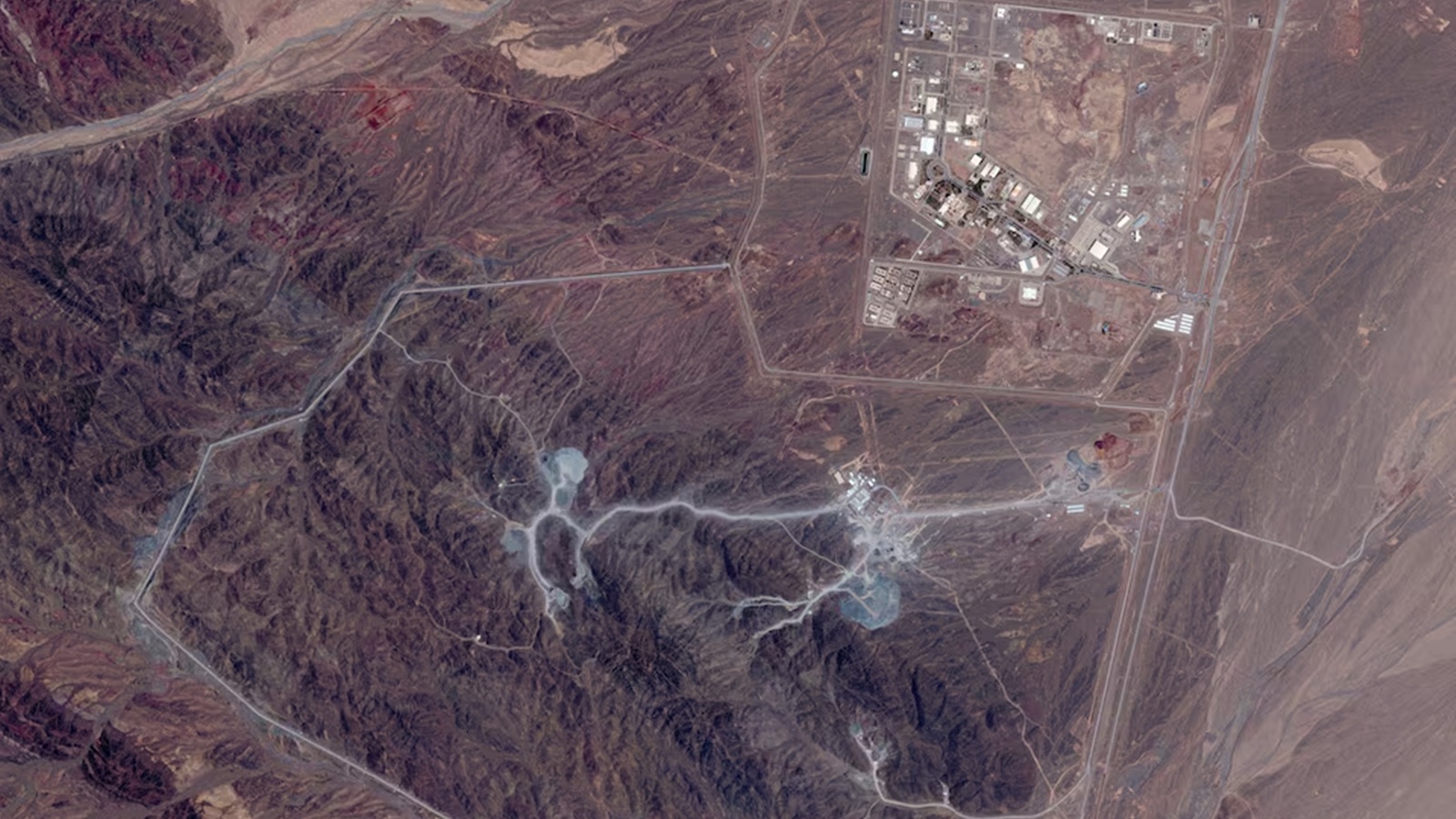
- Pickaxe Mountain is a hidden underground nuclear site located about 1.5 km south of Natanz.
- President Trump publicly announced the intent to strike the facility.
- Experts say its granite‑shielded tunnels may withstand conventional bunker‑buster munitions, heightening regional risk.
Iran’s most secretive and heavily fortified nuclear installation, dubbed “Pickaxe Mountain” (Kūh‑e Kolang Gaz Lā), has leapt into the global spotlight after President Donald Trump warned that the United States could target it. The statement, made during a televised interview, marks a sharp escalation in Washington’s ongoing pressure campaign against Tehran’s nuclear ambitions.
Location and Construction
Embedded within the Zagros mountain range, Pickaxe Mountain lies roughly 1.5 km south of the Natanz enrichment complex in central Iran. Satellite analysis shows two massive tunnel networks excavated since 2020, carved deep into solid granite. This design is intended to absorb the shock of conventional bunker‑buster bombs—a capability that many analysts believe exceeds the penetration power of the 900‑kg weapons previously used by the U.S. in Iran’s Isfahan ammunition depot.
Strategic Significance
If the site is ultimately used for uranium enrichment, centrifuge assembly, or storage of highly enriched uranium, it would provide Iran with a survivable “hard‑target” that can evade aerial attacks. The depth and fortification of the tunnels suggest a long‑term strategy to safeguard critical nuclear assets from any future strikes, thereby complicating international monitoring and response mechanisms.
U.S. Threats and International Reaction
During the Hugh Hewitt Show, Trump declared, “We’re going to take out Pickaxe Mountain. Tell the Iranians to be ready.” The remark follows a series of U.S. actions that began in February 2025, including a high‑altitude strike on Iran’s Isfahan ammunition depot. While the White House claims it is “closely monitoring” the site, European allies and the United Nations have warned that such overt threats could destabilize the region further and trigger a broader escalation.
Future Outlook
Should the United States move from rhetoric to a kinetic strike, Iran may accelerate the development of additional underground facilities or adopt new concealment tactics. The ripple effects could include heightened oil‑market volatility, renewed diplomatic friction, and amplified concerns over nuclear proliferation. Experts argue that re‑engaging diplomatic channels remains the most viable path to defuse the emerging crisis.