The United States has resumed aerial strikes against Iran and reinstated a blockade in the Strait of Hormuz, prompting Iran to fire missiles at Bahrain and two UAE‑linked tankers. The escalation has spiked oil prices and heightened geopolitical tension in a critical shipping lane.
Key Takeaways
- US re‑imposes a blockade on the Strait of Hormuz and conducts fresh airstrikes on Iran.
- Iran retaliates with missile attacks on Bahrain and two UAE‑linked tankers, causing one fatality and multiple injuries.
- Crude oil prices jump 7.8%, Brent reaching $81.92 per barrel amid market anxiety.
Early Tuesday, the US military announced a fresh wave of airstrikes targeting Iranian positions, coinciding with President Donald Trump’s declaration that Washington is “reinstating” a blockade on the strategic Strait of Hormuz. The strait carries roughly 20% of the world’s petroleum shipments, so any disruption instantly reverberates through global energy markets.
Background Context
The Hormuz corridor has been a flashpoint since the February 2024 US‑Israel strike campaign against Iranian facilities. Trump’s latest remarks also hinted at a novel policy: charging vessels for safe passage, a stark departure from the long‑standing US stance that the waterway remain toll‑free under international law.
Iran’s Counter‑Actions
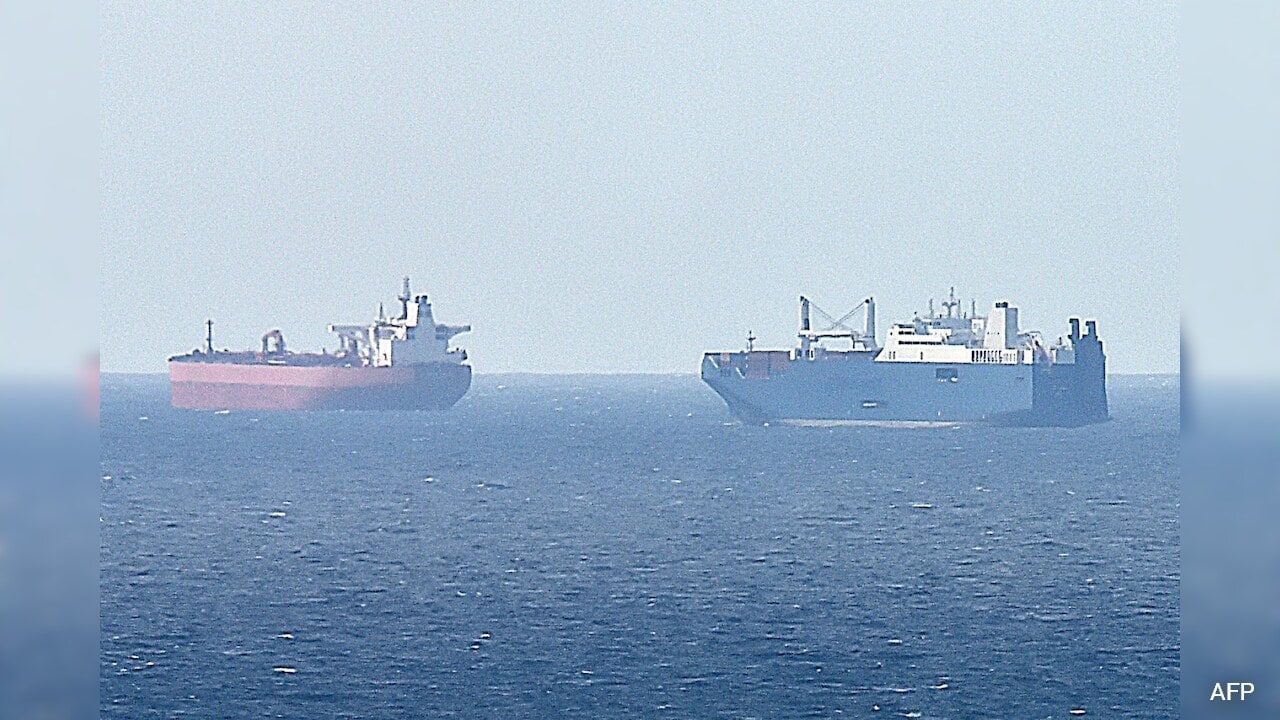
Within hours of the US strikes, Iran launched two cruise missiles at the tankers Mombasa and Al Bahiyah, both operating under UAE flags. Both vessels caught fire before crews managed to extinguish the flames. The attacks claimed the life of an Indian seafarer and injured eight others, including six Indians and two Ukrainians. The UAE Ministry of Defence warned that it “reserves its full right to respond” and will take all necessary measures to protect its citizens and assets.
Regional Ripple Effects
Iran also triggered a missile‑alert siren in Bahrain, urging residents to seek shelter. While immediate damage reports remain scarce, the heightened alert underscores the expanding theatre of conflict. Fighter jets were heard over Dubai, echoing the broader regional involvement of the US, Iran, Bahrain, and the UAE.
Impact on Oil Markets
Amid the turmoil, benchmark Brent crude surged 7.8% to $81.92 a barrel. Although still below the wartime peak of nearly $120, the price jump signals renewed market anxiety. Analysts warn that continued blockades and further tanker casualties could push prices even higher, threatening global economic stability.