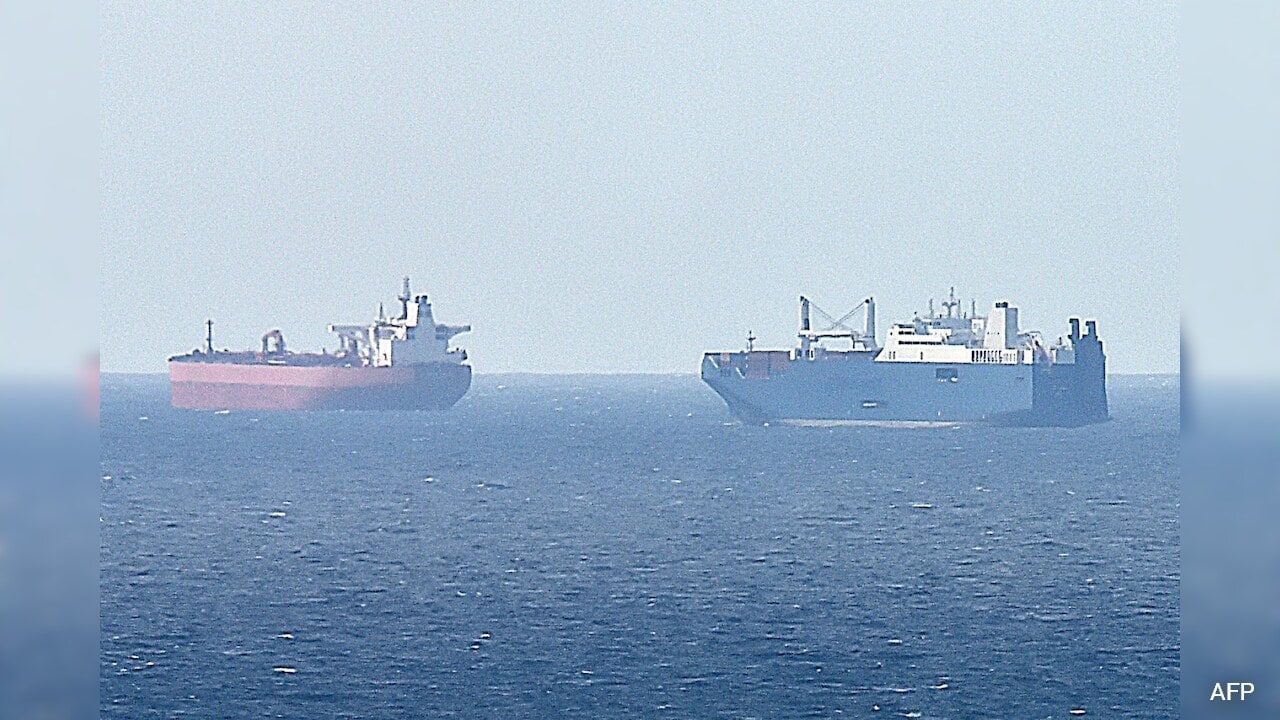
The United States reinstated a naval blockade on Iranian ports and launched a fourth consecutive day of strikes targeting Iran's maritime capabilities in the Strait of Hormuz, intensifying tensions over a critical global energy corridor.
मुख्य बिंदु (Key Takeaways)
- US re‑imposed a naval blockade on Iranian ports after an interim cease‑fire collapsed.
- Fourth straight day of US air‑sea strikes aimed at degrading Iran's ability to threaten commercial shipping in the Hormuz Strait.
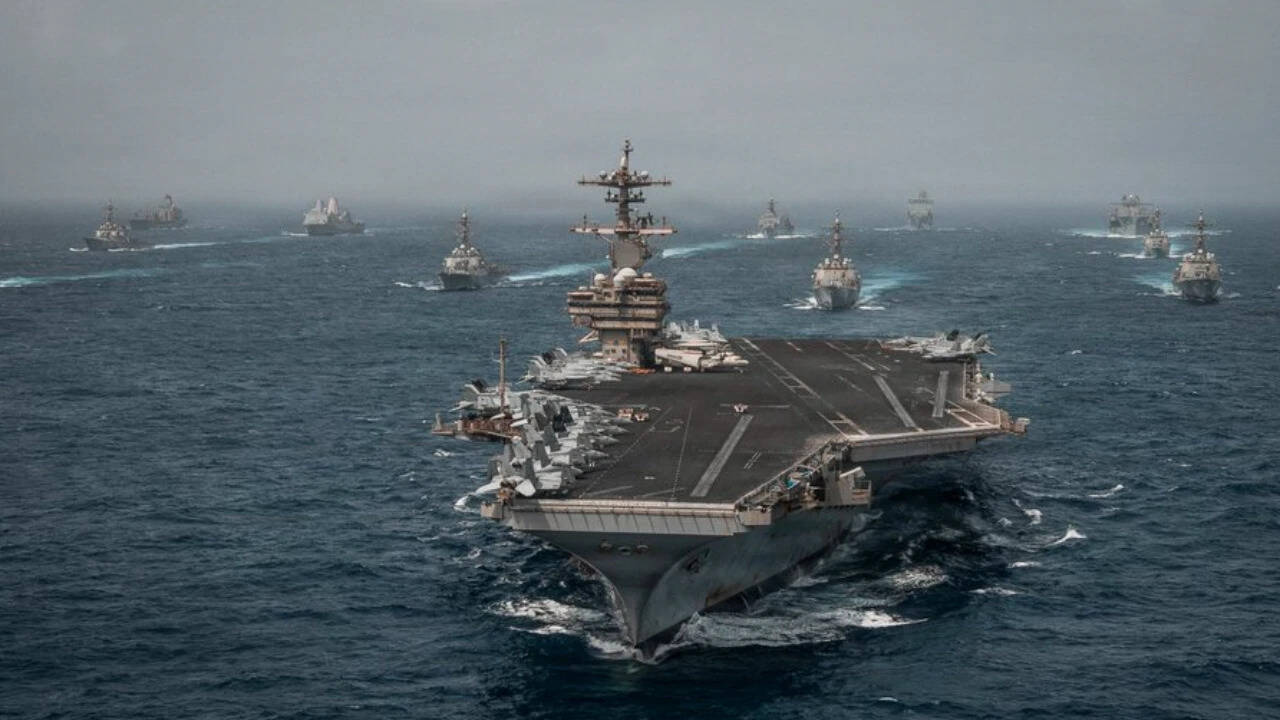
- US presence now includes over 20 warships and hundreds of aircraft operating across the Middle East.
At 4 p.m. ET on Tuesday, the United States announced the restart of its naval blockade covering Iranian ports and coastal waters, while simultaneously launching another wave of air‑sea strikes against Iranian targets linked to recent attacks on commercial vessels in the Strait of Hormuz. U.S. Central Command (Centcom) framed the operation as a direct response to Tehran’s alleged maritime aggression, marking a sharp escalation in a conflict that has already seen three consecutive days of US‑Iran exchanges.
Strategic Context of the Strait of Hormuz
The Hormuz Strait, a narrow passage linking the Persian Gulf with the Gulf of Oman, remains one of the world’s most vital energy arteries. Prior to the current crisis, roughly one‑fifth of global crude oil and natural gas shipments traversed this chokepoint. In mid‑April, the United States initially imposed a blockade on Iranian ports, only to lift it in mid‑June after an interim cease‑fire was brokered to create diplomatic breathing space over Iran’s nuclear programme. That fragile truce has now unraveled as both sides resume offensive actions.
Details of the Latest US Strikes
Centcom reported that at 3 p.m. ET, U.S. forces began launching an additional round of strikes targeting Iranian naval assets and coastal installations believed to support hostile actions against merchant shipping. Iranian state media, via the Islamic Republic News Agency (IRNA), confirmed explosions in the southern province of Hormozgan—including near Bandar Abbas, Sirik, and on Qeshm Island—as well as in Ahvaz. The United States described the attacks as aimed at “degrading Iranian capabilities used to attack commercial shipping,” warning that further strikes will continue to impose a “heavy cost” on Tehran’s forces.
Regional and Global Implications
Re‑instating the blockade and sustaining a four‑day strike campaign threatens to destabilize global oil markets. Should Iran retaliate with larger‑scale missile or naval actions, the ensuing escalation could disrupt not only regional trade but also the broader international supply chain that relies on uninterrupted flow through Hormuz. Moreover, the heightened US military footprint—now encompassing at least 19 warships, including two aircraft carriers and an amphibious assault ship carrying over 1,000 Marines—places additional pressure on Gulf allies and tests the limits of diplomatic engagement.
Political Calculus Behind the Move
President Donald Trump framed the blockade as a reaffirmation of the United States acting as the “guardian of the Strait of Hormuz.” Early in the week he floated a 20 percent fee on commercial vessels transiting the strait, later abandoning the idea in favor of investment‑based agreements after Gulf partners suggested alternative economic arrangements. This shift underscores a broader strategy of leveraging economic levers alongside hard power to sustain American influence in the region.
Overall, the renewed US‑Iran confrontation over Hormuz signals a troubling pivot from tentative diplomatic overtures to overt maritime coercion, threatening both regional stability and global energy security.