On June 24, two powerful quakes measuring 7.2 and 7.5 struck Venezuela within a minute of each other. Official figures now show the death toll has climbed to 4,734, with more than 16,700 people injured.
Key Takeaways
- Death toll reaches 4,734
- Over 16,700 injured
- Urgent humanitarian response needed
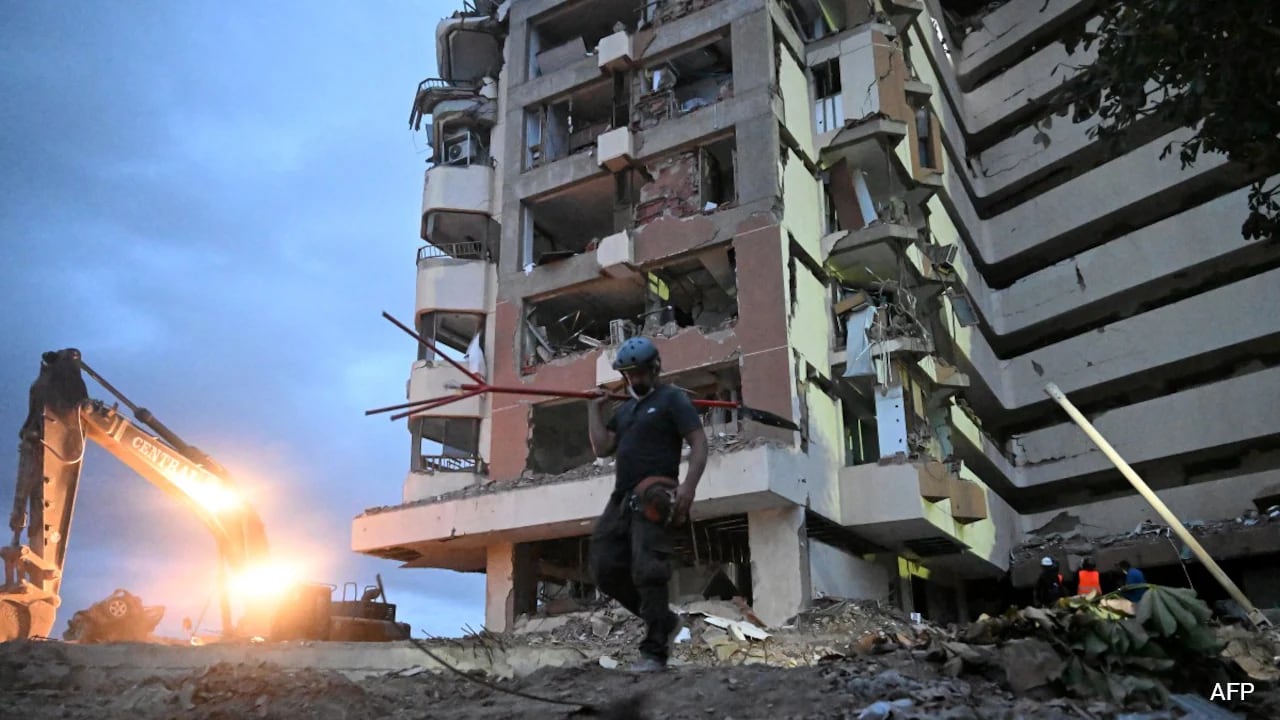
On June 24, Venezuela’s north‑eastern region was rocked by a pair of high‑magnitude earthquakes spaced just one minute apart. The first tremor registered a magnitude of 7.2, followed seconds later by a 7.5‑magnitude shock, unleashing widespread devastation across the capital, Caracas, and surrounding towns.
Geological Context
The country sits at the convergence of the North American and South American tectonic plates, a zone historically prone to moderate seismic activity. However, a double‑event of 7.2 and 7.5 magnitude is exceedingly rare. Seismologists explain that the initial quake often redistributes stress along nearby faults, precipitating a second, larger rupture within seconds.
Human Impact
According to the latest government report, the death toll has risen to 4,734, including many women and children. The injured count now exceeds 16,700, many with critical injuries requiring immediate medical attention. Hospitals, already strained, faced power and water outages that hampered rescue and treatment efforts.
Government and International Response
The Venezuelan authorities have mobilized the military, emergency medical units, and volunteer organizations for rapid relief operations. The United Nations, Red Cross, and several neighboring nations have dispatched medical supplies, rescue teams, and relief material. Yet, economic sanctions and internal political tensions complicate the efficient distribution of aid.
Looking Ahead
The disaster spotlights the fragility of Venezuela’s infrastructure. Experts argue that rebuilding must incorporate stricter building codes and an active seismic early‑warning system. Sustained international assistance, coupled with transparent domestic governance, will be essential for the nation’s long‑term recovery.