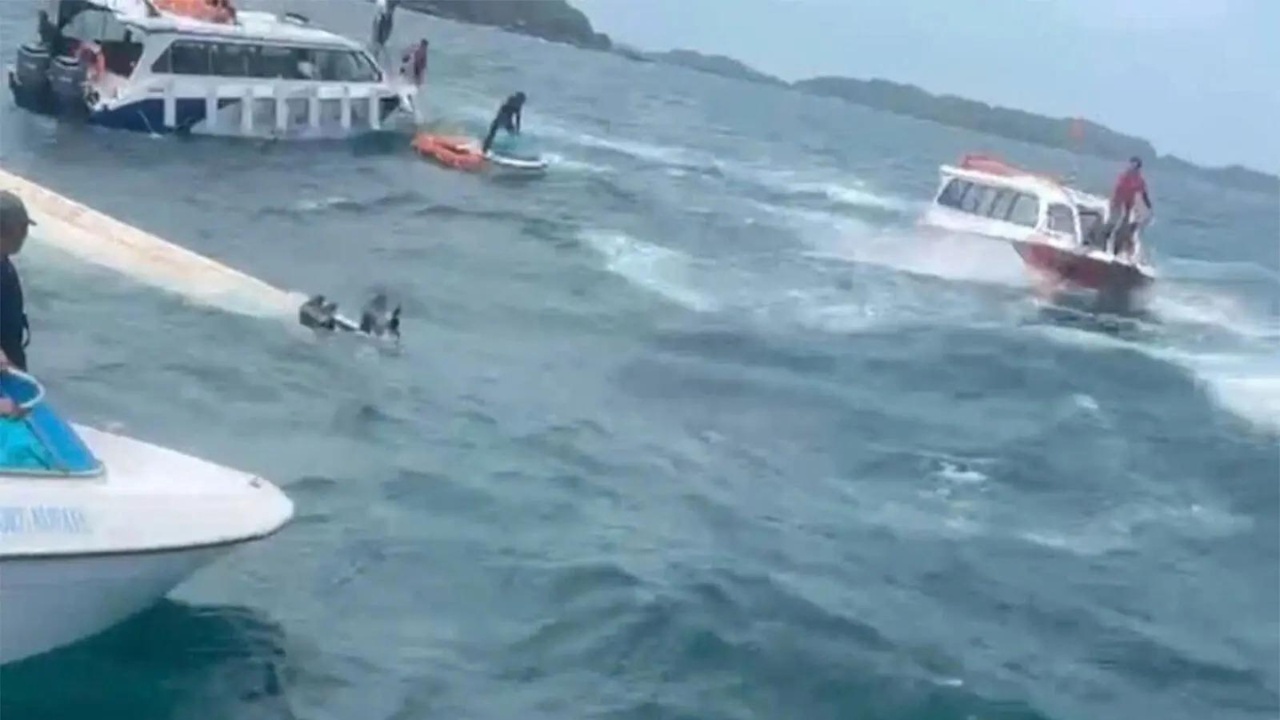
On July 11 a speedboat carrying Indian traders capsized near Phu Quoc, Vietnam, killing dozens. Survivor Nirmal Kumar recounts that only those seated at the front followed the captain’s jump into the water and lived, while a closed hull trapped rear passengers. Lack of on‑island medical supplies cost additional lives.
Key Takeaways
- Captain’s immediate jump prompted front‑row passengers to leap and survive
- Closed‑boat design prevented rear passengers from escaping
- Absence of island medical supplies likely cost at least six more lives
On July 11 a speedboat carrying a group of Indian mobile‑phone dealers was caught in a sudden storm off Phu Quoc Island, Vietnam. The vessel, built with a closed hull, capsized within moments. Captain leapt overboard first; the front‑row passengers, following his lead, also dived and managed to stay afloat.
First‑Hand Account of the Disaster
Survivor Nirmal Kumar described the chaos: “Everything happened in the blink of an eye. The captain jumped, and something inside me made me jump too. A few more followed, and they survived. Because it was a closed boat, those seated in the rear could not get out. By the time the rescue team arrived – ten minutes later – it was too late for them.”
Governmental Response and Medical Shortfalls
Both Indian and Vietnamese authorities pledged assistance to victims’ families, yet the lack of immediate medical supplies on the island was stark. Kumar warned, “If medicines were available on the island, at least six more lives could have been saved.” He has formally communicated this shortfall to the Vietnamese government.
Broader Implications for International Travel Safety
The incident underscores the urgent need to revisit safety protocols for cross‑border maritime trips. Experts advocate for open‑hull vessels, real‑time weather alerts, and on‑site first‑aid stations. Implementing such measures could prevent similar tragedies and mitigate economic and human losses.
Personal Loss Amid the Tragedy
Kumar also mourned the loss of a childhood friend who perished in the accident. Upon his arrival at the airport, colleagues rushed to embrace him, many breaking down in tears—an emotional reminder of the human cost behind the headlines.