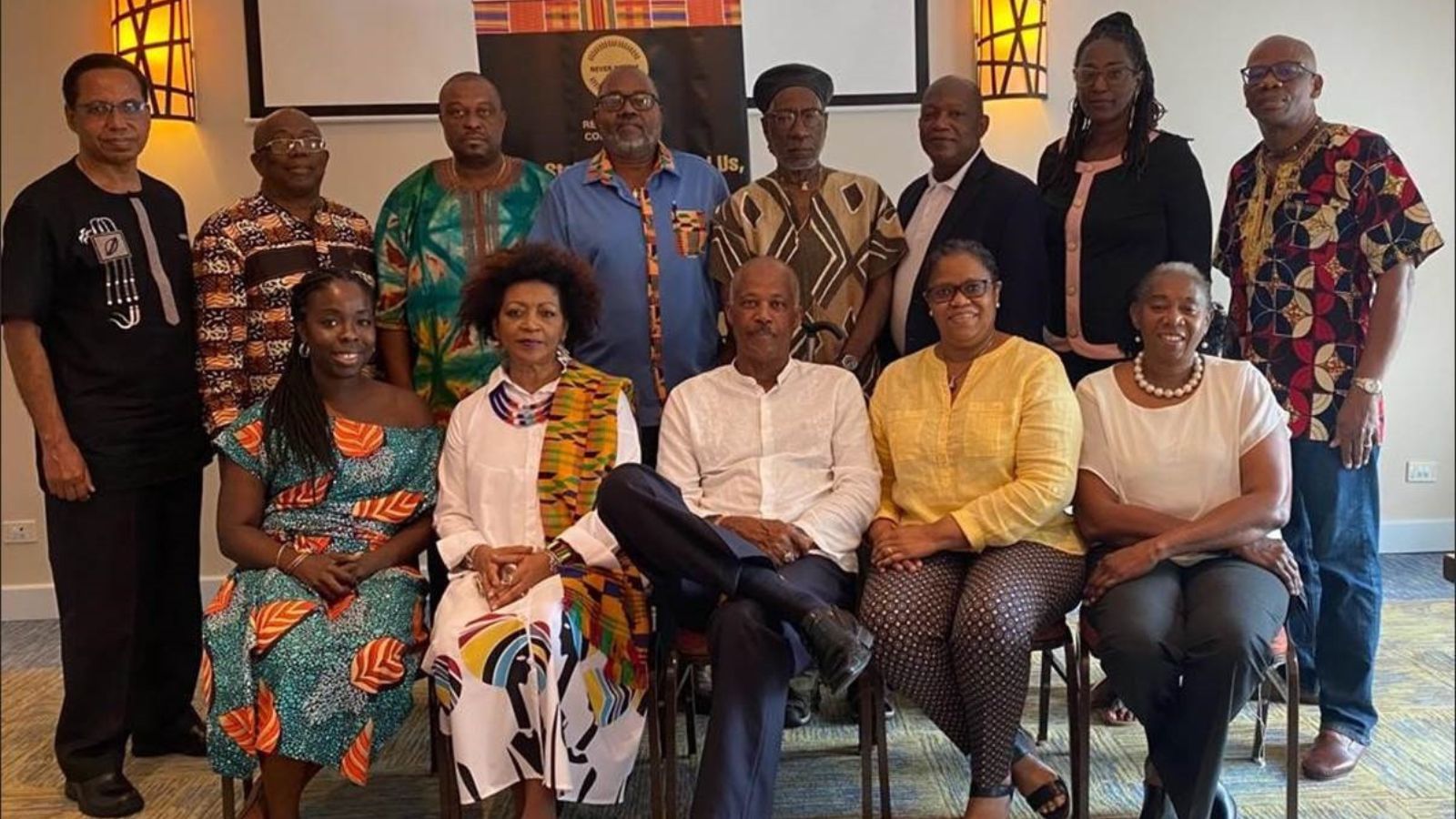
A delegation of Caribbean leaders has intensified pressure on the United Kingdom, demanding the return of the British Virgin Islands and calling for comprehensive reparations for the historical crimes of transatlantic slavery. Representing the CARICOM Reparations Commission, the leaders highlighted that the Caribbean remains one of the most colonized regions in the world.
Key Takeaways
- The CARICOM Reparations Commission (CRC) is on a high-level diplomatic mission to the UK to demand decolonization and reparatory justice.
- Caribbean leaders are demanding the return of the British Virgin Islands and seeking a formal apology and financial reparations for transatlantic slavery.
- Over 20 territories in the Caribbean remain under the administrative control of Western powers, including the UK, US, France, and the Netherlands.
A delegation of Caribbean leaders on an official tour of the United Kingdom has made headlines by demanding the return of the British Virgin Islands (BVI) and calling for comprehensive reparations from the British Crown. Representing 12 states in the region, the CARICOM Reparations Commission (CRC) has asserted that the time for moral and legal accountability regarding colonial-era exploitation is long overdue.
The Legacy of Colonization and Modern Sovereignty
The Caribbean remains one of the most heavily colonized regions in the modern world, with over 20 territories still under the administrative control of Britain, France, the Netherlands, and the United States. While British overseas territories like Anguilla, Bermuda, the Cayman Islands, and the BVI enjoy internal self-governance, the UK government retains ultimate control over defense, international affairs, and legal systems. CRC Chairman Hilary Beckles stated, "We in the Caribbean remain the most colonized part of the world, and this has to stop. If we do not bring an end to colonization, we might see its resurgence elsewhere."
The Transatlantic Slave Trade and the Case for Justice
Between the 16th and 19th centuries, approximately 12 million Africans were forcefully shipped across the Atlantic under brutal conditions to work on colonial plantations. In March, a United Nations resolution spearheaded by Ghana declared the transatlantic slave trade the "gravest crime against humanity." While the resolution received overwhelming support, major Western powers like the UK abstained from voting, highlighting the ongoing geopolitical friction surrounding historical accountability.
A Strategic Manifesto for Reparations
The CRC has launched a new manifesto outlining the ethical and legal framework for reparatory justice, placing decolonization and the recovery of national sovereignty at the forefront. Barbados’ ambassador to CARICOM, David Comissiong, revealed that the commission has engaged in productive talks with senior clerics from the Church of England to build global alliances. Furthermore, the Jamaican government is expected to file a formal petition urging King Charles III to refer legal questions on slavery reparations to the Privy Council, signaling a transition from diplomatic appeals to structured legal action.