A significant monsoon shift is expected starting July 19-20, bringing heavy rainfall to North and East India. Travelers to hilly regions are advised to exercise extreme caution.
Key Takeaways
- Monsoon activity will intensify across North and East India starting July 19-20.
- High alert issued for Uttarakhand, Himachal Pradesh, and Jammu due to heavy rainfall risks.
- A combination of Low Pressure areas and moisture from both Bay of Bengal and Arabian Sea is driving the weather.
- Increased risk of landslides and rising river levels in mountainous terrains.
After a period of relative inactivity, the Indian Monsoon is set to undergo a significant intensification. Meteorological experts have predicted a robust shift in weather patterns starting this weekend, specifically from July 19th to 20th. This surge is expected to bring much-needed relief to various parts of North and East India, which have recently faced drought-like conditions due to the sluggish monsoon progress.
The Meteorological Setup
The current weather phenomenon is driven by a highly favorable synoptic setup. A low-pressure area has developed over Eastern India, which is being augmented by moisture-laden easterly winds from the Bay of Bengal. Simultaneously, the southwestern monsoon winds from the Arabian Sea are providing additional support. Crucially, the Monsoon Axis is shifting from the Himalayan foothills toward the North Indian plains, creating an ideal environment for widespread precipitation.
Red Alert for Hill Stations
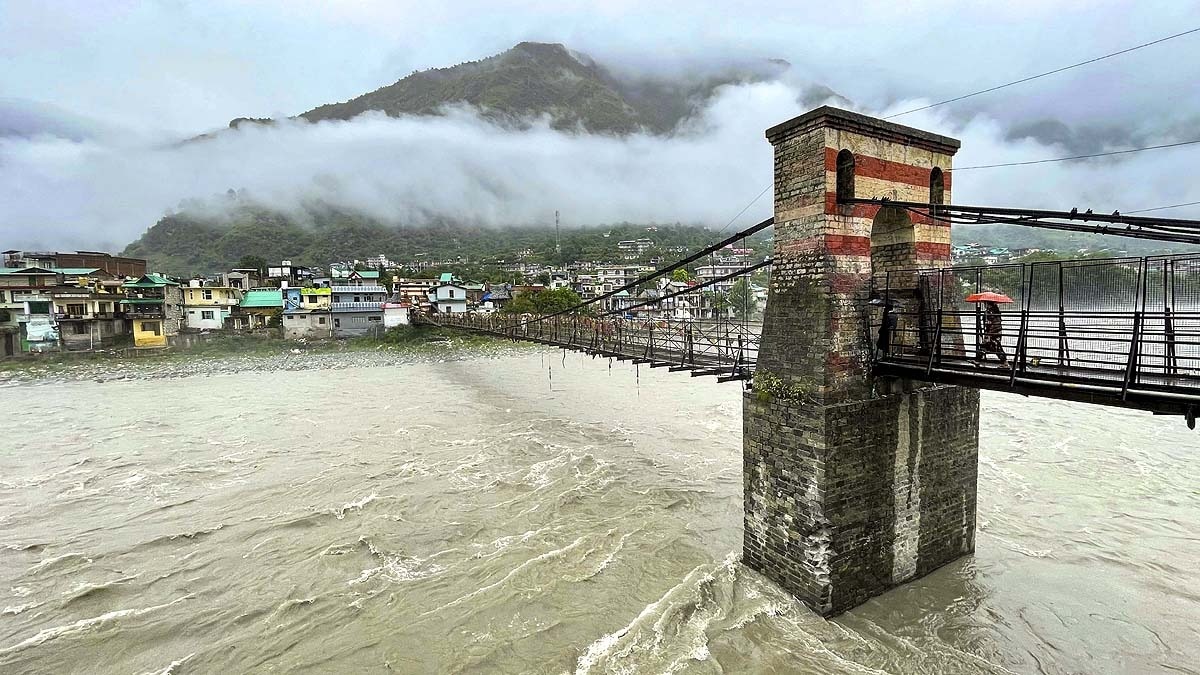
While the rains bring relief to farmers, they pose a serious threat to those residing in or traveling to the mountains. Uttarakhand, Himachal Pradesh, Chandigarh, and the Jammu region have been placed under special surveillance. The forecast indicates the possibility of extremely heavy rainfall, which significantly elevates the risk of landslides, cloudbursts, and sudden surges in river levels. Local administrations have been advised to remain on high alert to manage potential emergencies.
Regional Rainfall Distribution
The impact of this monsoon surge will be widespread across states including Punjab, Haryana, Delhi, Uttar Pradesh, Bihar, Chhattisgarh, Jharkhand, Odisha, and West Bengal. In these regions, moderate to heavy rainfall is anticipated. In contrast, states like Rajasthan, Madhya Pradesh, Gujarat, and Maharashtra will likely experience scattered showers rather than continuous heavy downpours. The Western Ghats and coastal regions are also expected to see an increase in rainfall intensity over the weekend.
Implications for Agriculture and Safety
From an economic perspective, the anticipated rainfall is a positive sign for the agricultural sector and the replenishment of water reservoirs. However, experts warn farmers to prepare for potential waterlogging in fields. For the general public, especially tourists planning weekend getaways to the mountains, the directive is clear: prioritize safety and stay updated with real-time weather advisories to avoid being caught in hazardous conditions.