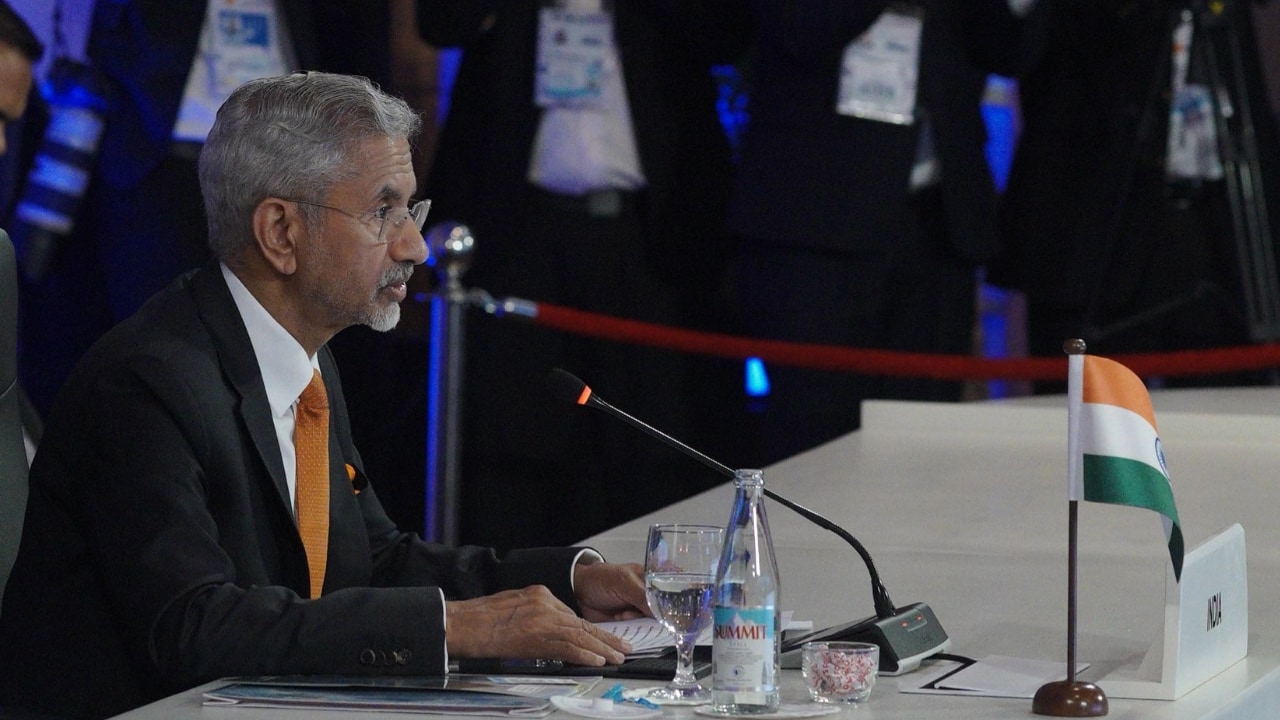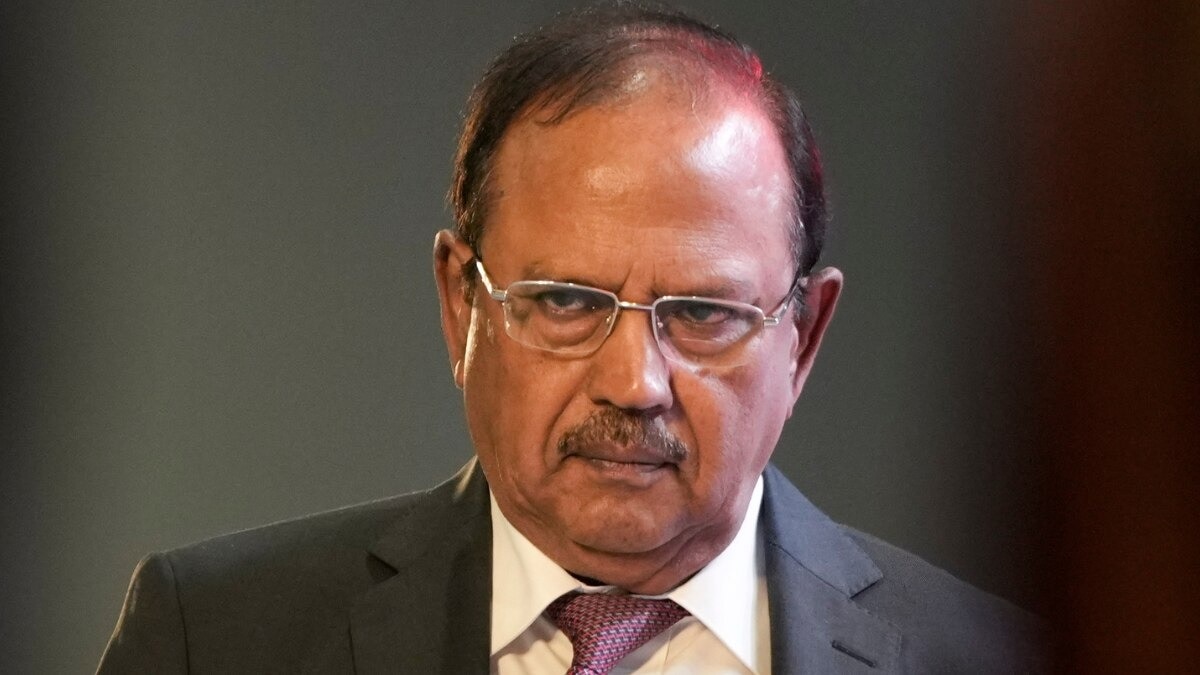
In a high-stakes meeting with his Myanmar counterpart, NSA Ajit Doval demanded an immediate end to anti-India activities on Myanmar soil. The discussions focused on border security, insurgency, and regional stability.
Key Takeaways
- NSA Ajit Doval met Myanmar NSA U Tin Aung San during the 5th BIMSTEC security meeting.
- India issued a clear warning against using Myanmar soil for anti-India activities.
- Focus areas included border management, insurgency, and narcotics trafficking.
- The meeting addressed security concerns along the 1,643 km shared border.
In a significant diplomatic and security maneuver, India's National Security Advisor (NSA) Ajit Doval has delivered a decisive message to the Myanmar government. During the fifth meeting of the BIMSTEC National Security Advisors, Doval held bilateral talks with his Myanmar counterpart, U Tin Aung San, emphasizing that Myanmar's territory must not be exploited for activities detrimental to India's national interests.
Addressing the Border Security Dilemma
The strategic importance of this meeting cannot be overstated, given the complex geography of the Indo-Myanmar border. Spanning approximately 1,643 kilometers, this porous border touches India's sensitive North-Eastern states, including Arunachal Pradesh, Nagaland, Manipur, and Mizoram. India has long expressed concerns regarding insurgent groups utilizing these border regions to launch attacks, as well as the rising menace of arms and drug trafficking.
Countering Insurgency and Cross-Border Threats
According to high-level sources, the primary agenda of the discussion was to review bilateral security cooperation and address the volatility in the region. NSA Ajit Doval underscored the necessity of preventing cross-border infiltration and curbing the influence of militant organizations that operate in the shadows of the Myanmar-India border. The dialogue also touched upon cyber threats and the need for enhanced military coordination to maintain regional order.
BIMSTEC and Regional Stability
This engagement is part of a broader strategy under the BIMSTEC framework, where India seeks to foster deeper security synergy with its eastern neighbors. By strengthening ties with Myanmar, India aims to create a buffer against instability that could spill over into its North-Eastern corridor. The meeting signals India's commitment to a 'proactive security stance,' ensuring that regional instability in Myanmar does not translate into a direct security threat for India.