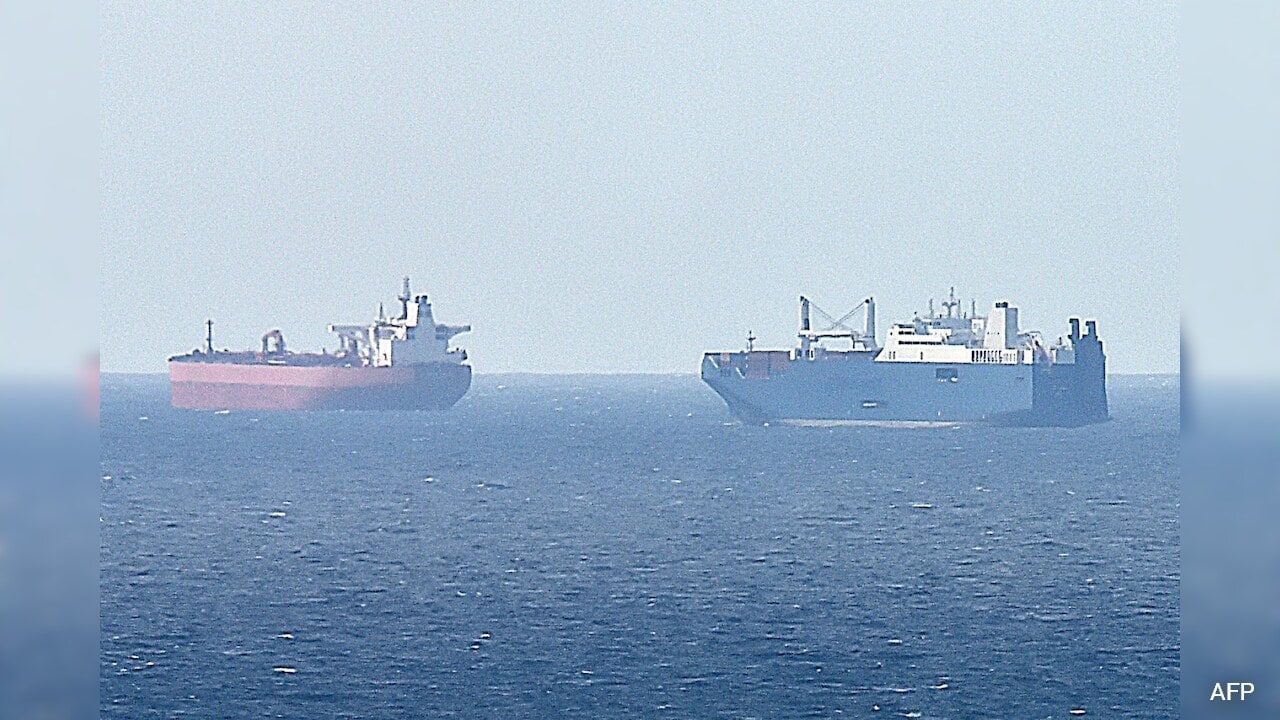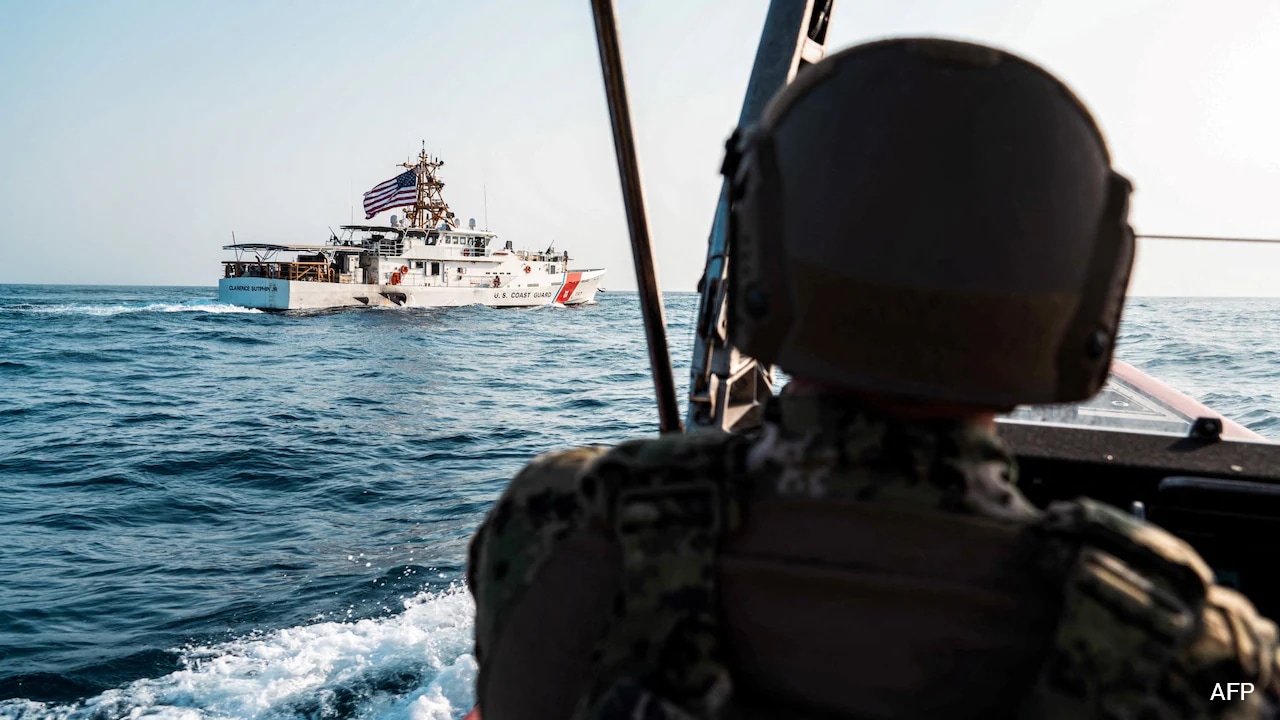
The U.S. armed forces announced that they finished a 90‑minute aerial campaign against multiple Iranian sites on Wednesday, further curbing Tehran’s ability to threaten commercial shipping in the Strait of Hormuz. The operation underscores rising regional tension and could ripple through global energy markets.
Key Takeaways
- U.S. forces completed a 90‑minute air strike campaign targeting Iranian installations.
- The strikes degraded Iran’s capacity to launch attacks on commercial vessels in the Strait of Hormuz.
- The move may heighten Middle‑East tensions and affect global oil supply chains.
The U.S. Department of Defense confirmed on Wednesday that a coordinated 90‑minute air operation struck several strategic Iranian locations, further diminishing Tehran’s capability to threaten commercial shipping through the Strait of Hormuz. The mission, described by U.S. Central Command (CENTCOM) as “further degrading Iran’s ability to attack commercial shipping,” marks the latest escalation in a series of confrontations over the narrow waterway.
Historical Context and Rising Tensions
The Strait of Hormuz, a choke point through which roughly five percent of the world’s oil passes, has long been a flashpoint for geopolitical rivalry. After Iran’s 2019 incident involving a U.S. naval vessel, Washington launched multiple retaliatory strikes targeting missile sites and command centers. This latest wave focused on Iranian air‑defence radars, anti‑ship missile batteries, and logistical hubs that support maritime strike capabilities.
Operational Details
According to Pentagon officials, the strike package employed a mix of F‑15E Eagles, F‑16 Fighting Falcons, and unmanned aerial systems. Targets included Iranian anti‑ship missile installations, command‑and‑control nodes, and select port facilities. The statement emphasized that no U.S. or coalition aircraft suffered damage and that the Iranian assets incurred “irreversible damage.”
Regional and Global Implications
Iran has hinted at a possible retaliation but has not yet launched a direct counter‑strike. Continued pressure could exacerbate existing volatility in the Middle East, potentially driving up oil prices and prompting international navies to increase their presence in the strait. Analysts warn that prolonged hostilities may compel multinational maritime security forces to adjust patrol patterns, impacting global trade routes.
Looking Ahead
Washington reiterated its commitment to “stability” and “maritime security” in the region while urging Tehran to pursue diplomatic avenues. The persistent use of force signals both a deterrence strategy and a possible catalyst for renewed diplomatic talks, though the trajectory of Iran’s response remains uncertain.