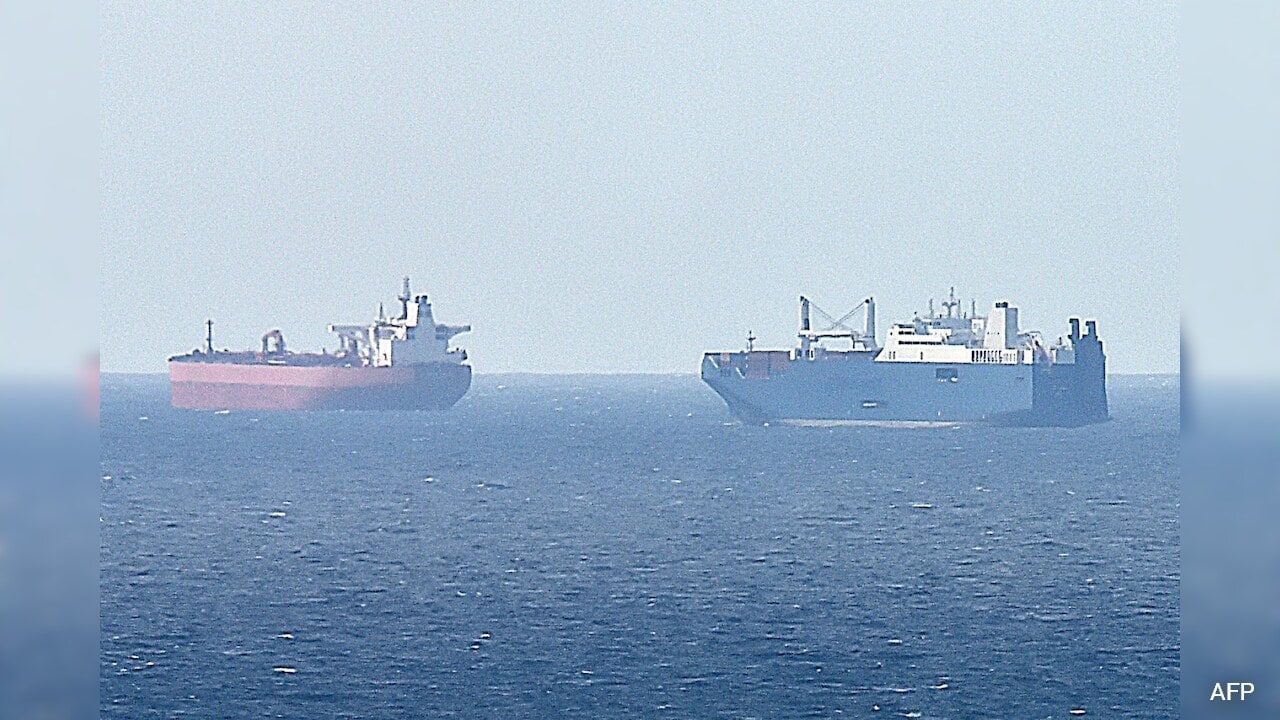
The United States has restored its naval blockade on Iran and intensified airstrikes following attacks on vessels near the Strait of Hormuz, heightening fears of a major regional war.
Key Takeaways
- The US has reinstated its naval blockade on Iran and escalated its air strike campaign.
- The escalation follows targeted attacks on ships navigating the critical Strait of Hormuz.
- Iranian military facilities have been hit, resulting in significant casualties and hundreds of injuries.
- Global energy markets are reacting sharply, with oil prices surging due to supply disruptions.
The geopolitical landscape of the Middle East has reached a critical flashpoint as the United States officially reimposed its naval blockade on Iran. This strategic move, coupled with an intensified wave of airstrikes, comes in direct retaliation to recent attacks on commercial vessels near the Strait of Hormuz. The decision has effectively dismantled the fragile interim peace agreement, pushing the region closer to the brink of an all-out war.
Military Escalation and Casualties
Military operations have intensified overnight, with the US Central Command conducting a seven-hour barrage of strikes. Iranian state media reported that American missiles struck the 388th Mechanized Infantry Brigade in the Sistan and Baluchestan province. Initial reports indicate at least seven soldiers were killed, while the Iranian Health Ministry has reported a staggering 260 casualties from the latest round of strikes. The Iranian Revolutionary Guard has responded with threats to halt all energy exports from the Middle East, stating that energy flows will either be available to everyone or to no one.
The Global Energy Implication
The Strait of Hormuz remains the most sensitive chokepoint in the global energy supply chain, facilitating nearly 20% of the world's oil and gas trade. The disruption has sent shockwaves through international markets, with Brent crude trading significantly higher than pre-war levels. Analysts warn that any attempt by the US to reopen the strait by force would require a massive naval deployment, potentially involving tens of thousands of troops, which could further escalate the conflict.
Diplomatic Breakdown and Political Pressure
The resurgence of hostilities marks a significant failure of the 60-day pause agreed upon under the previous interim deal. For President Donald Trump, the situation is compounded by domestic political pressures ahead of the upcoming Congressional elections. While the administration seeks to secure the waterway, the threat of hitting critical infrastructure like power plants and bridges has loomed large. As diplomacy stalls, the international community watches with bated breath to see if a deal can be brokered before the conflict turns into a full-scale regional conflagration.