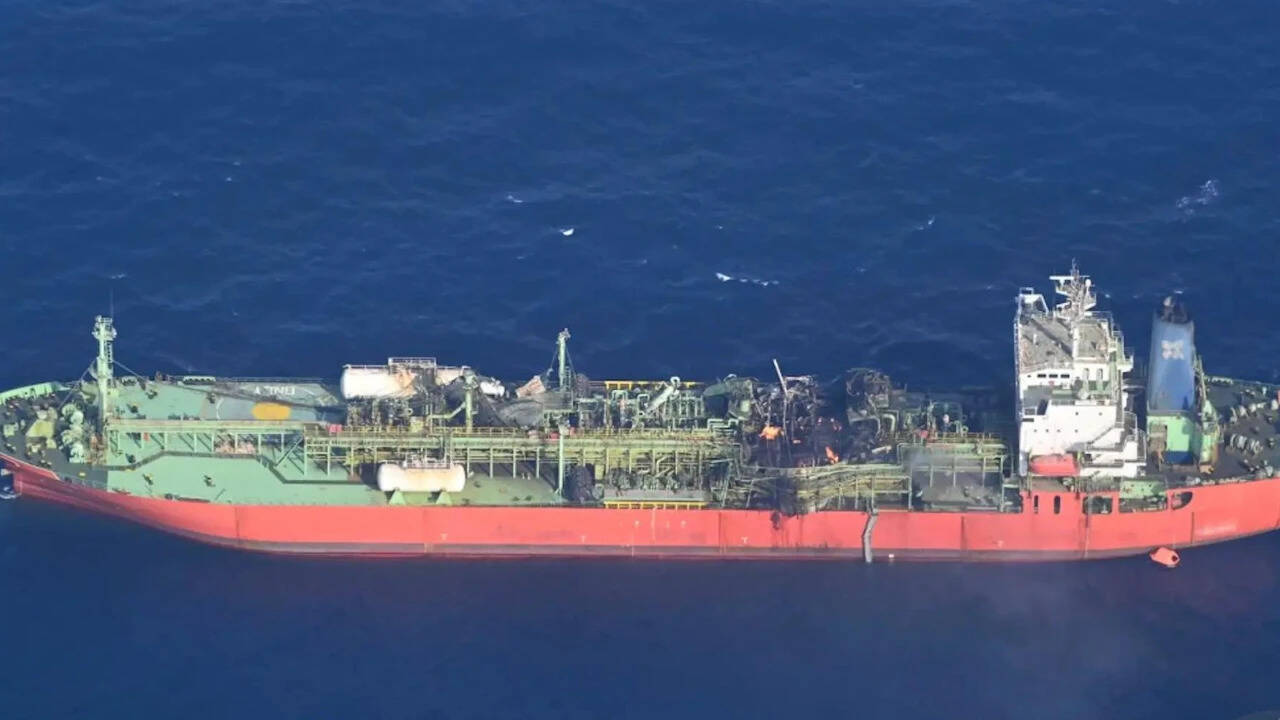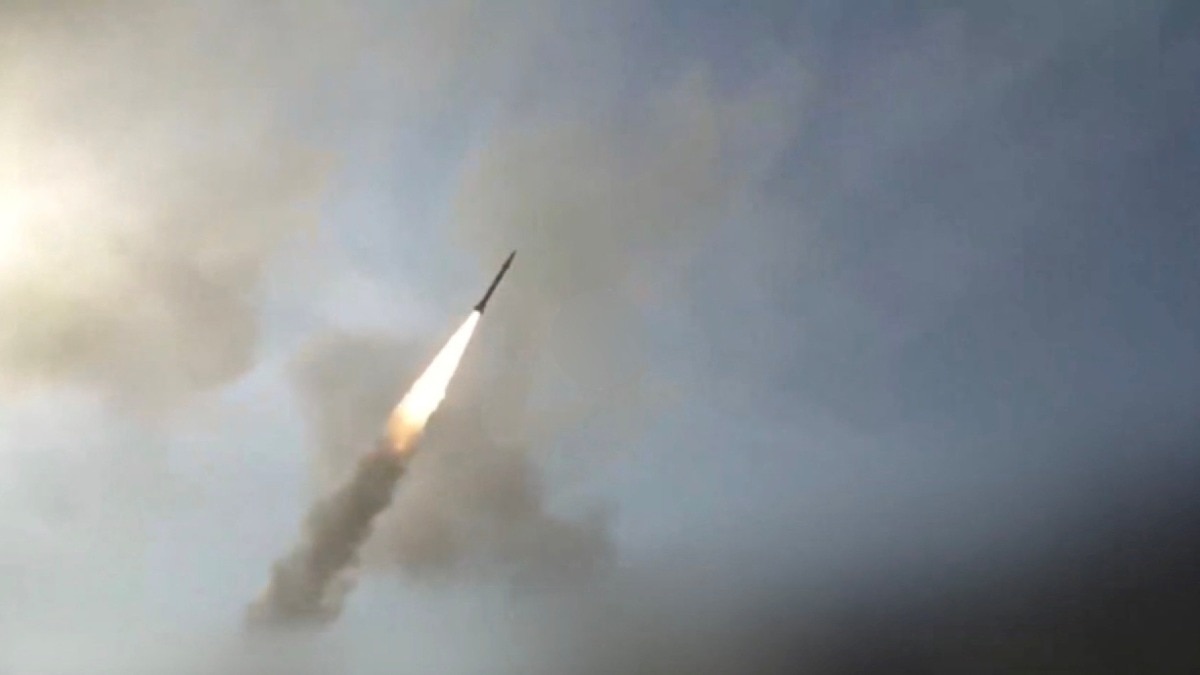
Iran alleges significant damage to US military aircraft in Jordan following retaliatory strikes, escalating tensions in the Middle East.
Key Takeaways
- Iran claims to have struck US fighter jets and tankers in Jordan during 'Operation Nasr 2'.
- The Islamic Revolutionary Guard Corps (IRGC) reports multiple aircraft destroyed or heavily damaged.
- Jordanian military confirmed intercepting and shooting down three Iranian missiles.
- The US has conducted six consecutive nights of strikes against Iranian military infrastructure.
The conflict between Washington and Tehran has reached a dangerous new crescendo. Iran announced on Friday that it carried out targeted missile and drone strikes against US military assets stationed in Jordan. According to the Islamic Revolutionary Guard Corps (IRGC) Aerospace Force, the strikes—part of the 14th phase of "Operation Nasr 2"—resulted in the destruction of several American fighter jets and aerial refueling tankers.
This escalation comes as the United States intensifies its military campaign against Iran. For the sixth consecutive night, US forces have targeted what they describe as critical military infrastructure, particularly near the strategically vital Strait of Hormuz. While the US aims to degrade Iranian military capabilities, Tehran has accused Washington of targeting civilian infrastructure, including airports and bridges in the Hormozgan province.
Why This Matters (इसके मायने क्या हैं)
BozokMedia analysis shows that this development represents a significant shift from localized skirmishes to a broader regional confrontation. The involvement of Jordan, a key US ally, places non-combatant nations directly in the line of fire, increasing the risk of a wider Middle Eastern war that could destabilize entire alliances.
Furthermore, the focus on the Strait of Hormuz is a critical economic trigger. As a primary artery for global oil transit, any prolonged instability in this waterway could lead to a massive spike in energy prices, causing inflationary pressure worldwide and impacting everything from transportation costs to the stability of global markets.
The expansion of the conflict into Jordanian airspace marks a perilous escalation that could force international powers into a direct confrontation.
Historical Background
The geopolitical rivalry between the United States and Iran has been a defining feature of Middle Eastern politics since the 1979 Islamic Revolution. The tension often centers on Iran's nuclear program, its influence in regional proxy wars, and the control of maritime choke points. The Strait of Hormuz remains the most sensitive flashpoint, as it serves as the gateway for a significant portion of the world's petroleum supply.
| Aspect | Iranian Claims | US/Jordan Position |
|---|---|---|
| US Aircraft Damage | Multiple jets and tankers destroyed | No independent verification yet |
| Missile Activity | Two-wave attack on Jordan | Jordan shot down 3 missiles |
| Casualties | 38 dead and 400+ injured in Iran | Targeting military infrastructure only |
Frequently Asked Questions (अक्सर पूछे जाने वाले प्रश्न)
Question 1: What was the name of the Iranian operation?
Answer: The IRGC identified the strikes as part of the 14th phase of "Operation Nasr 2".
Question 2: Has the US confirmed the loss of aircraft?
Answer: As of now, there has been no official confirmation from the US military regarding the destruction of any fighter jets.