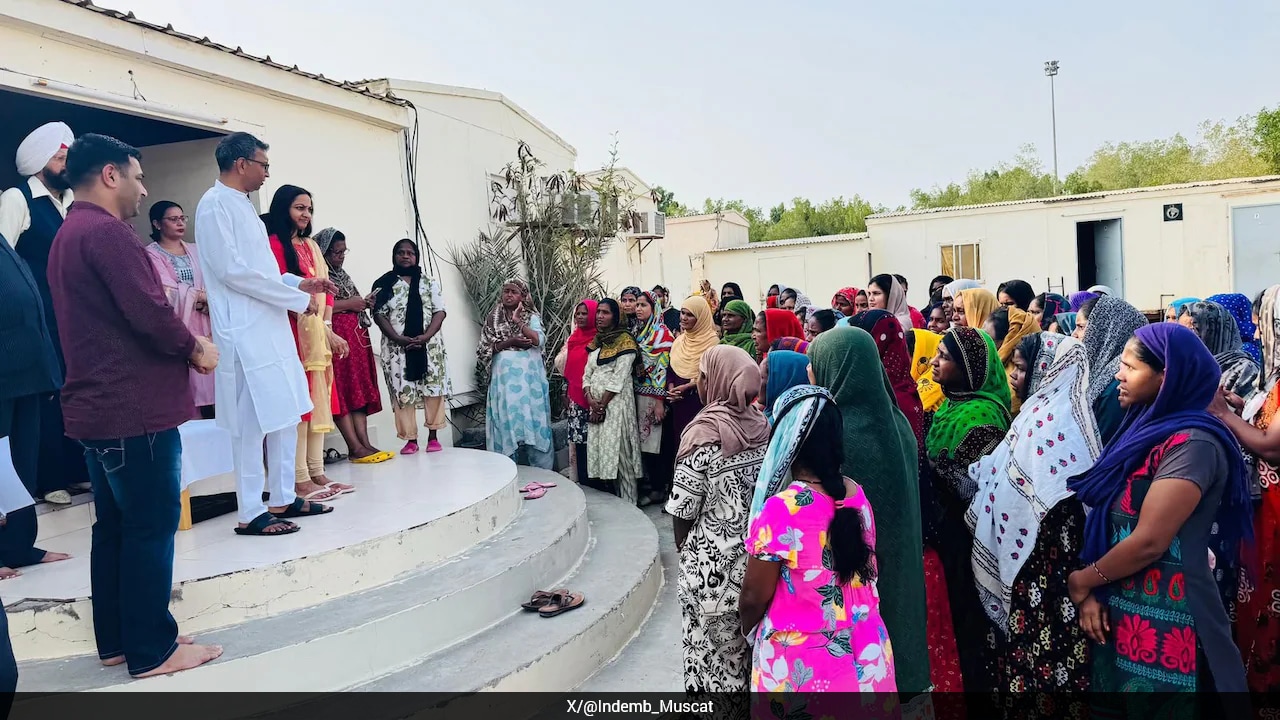
Amid rising reports of exploitation and unpaid wages, the Indian Embassy in Oman has reached out to distressed domestic workers, offering free accommodation and food.
In a significant move to protect Indian nationals abroad, the Indian Embassy in Oman has conducted an outreach program specifically targeting distressed women domestic workers. This intervention comes in response to recurring and alarming reports of abuse, exploitation, and the non-payment of wages involving Indian women working in private households across Oman and other Gulf nations.
The embassy has emphasized its commitment to ensuring the safety and dignity of these workers. Officials stated that the mission is providing free boarding and lodging facilities to those who find themselves in vulnerable positions due to employer misconduct. This measure aims to provide immediate relief to women who may have been abandoned by their employers or are facing severe financial hardship.
Why This Matters (इसके मायने क्या हैं)
BozokMedia analysis shows that this issue highlights a critical vulnerability in the global domestic work sector. Unlike formal industrial labor, domestic workers operate within private residences, making them harder to monitor and more susceptible to systemic abuse. The intervention by the Indian Embassy is a crucial step in bridging the gap between local labor laws and the actual protection of migrant rights.
Furthermore, the welfare of migrant workers is a cornerstone of India's foreign policy toward the Gulf Cooperation Council (GCC) countries. Ensuring that women workers are protected not only safeguards human rights but also maintains the stability of the massive remittance economy that fuels many Indian households. Any failure to address these grievances could lead to increased diplomatic friction and a shift in migration patterns.
The protection of domestic workers is a litmus test for the efficacy of international labor migration protocols.
Historical Background
For decades, the migration of labor to the Gulf region has been governed by complex socio-economic frameworks. While the 'Kafala' sponsorship system has undergone various reforms to grant workers more mobility, domestic workers remain one of the most precarious groups. Historically, the lack of oversight in private homes has led to widespread grievances regarding wage theft and physical abuse, necessitating constant diplomatic vigilance from sending nations like India.
| Aspect | Standard Vulnerability | Embassy Intervention |
|---|---|---|
| Housing | Dependent on Employer | Free Lodging Provided |
| Sustenance | Uncertain/Unpaid | Free Boarding Provided |
| Legal Status | Often Isolated | Active Diplomatic Support |
Frequently Asked Questions (अक्सर पूछे जाने वाले प्रश्न)
Question 1: What specific help is the Indian Embassy providing to these women?
Answer: The embassy is providing free food, accommodation, and legal/diplomatic assistance to workers in distress.
Question 2: Why are women domestic workers particularly at risk in Oman?
Answer: Because they work in private homes, which limits their access to public oversight and makes them more vulnerable to isolated abuse.