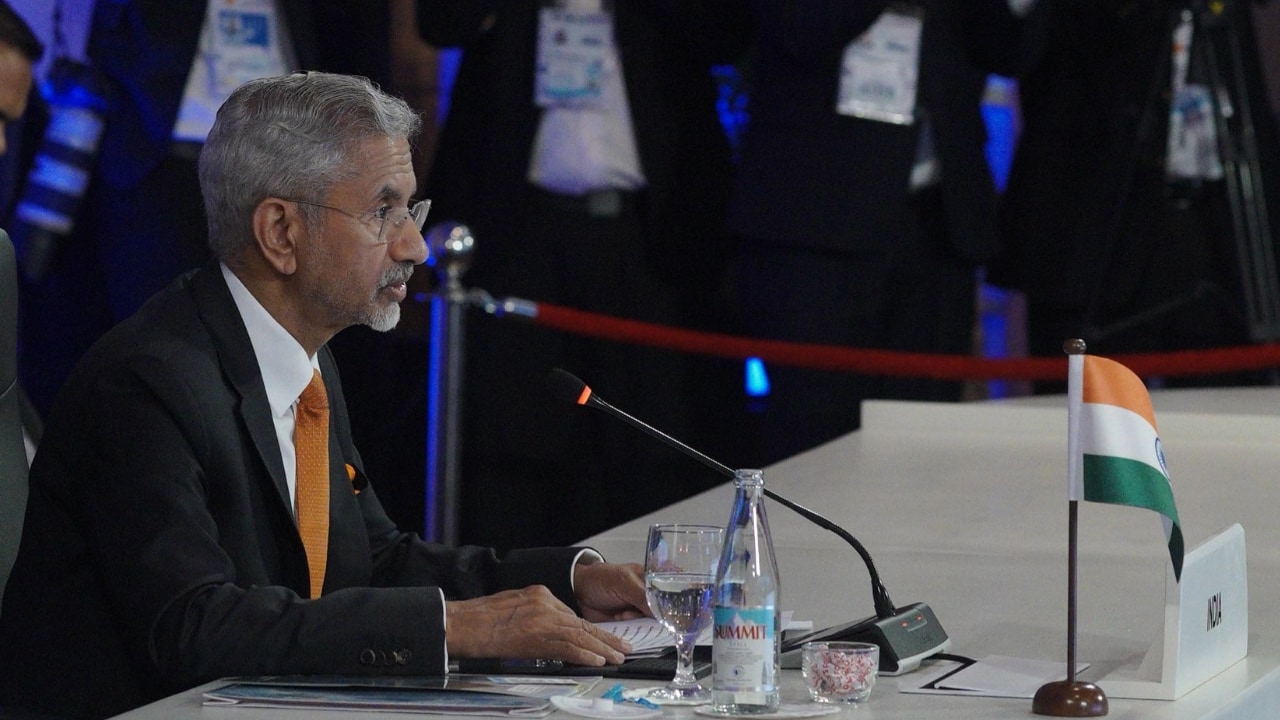
India aims to expand its nuclear capacity to 100 GW by 2047 as part of its clean‑energy agenda. The newly signed uranium import pact with Australia offers a reliable fuel source, fast‑tracking this ambition while deepening strategic ties between the two nations.
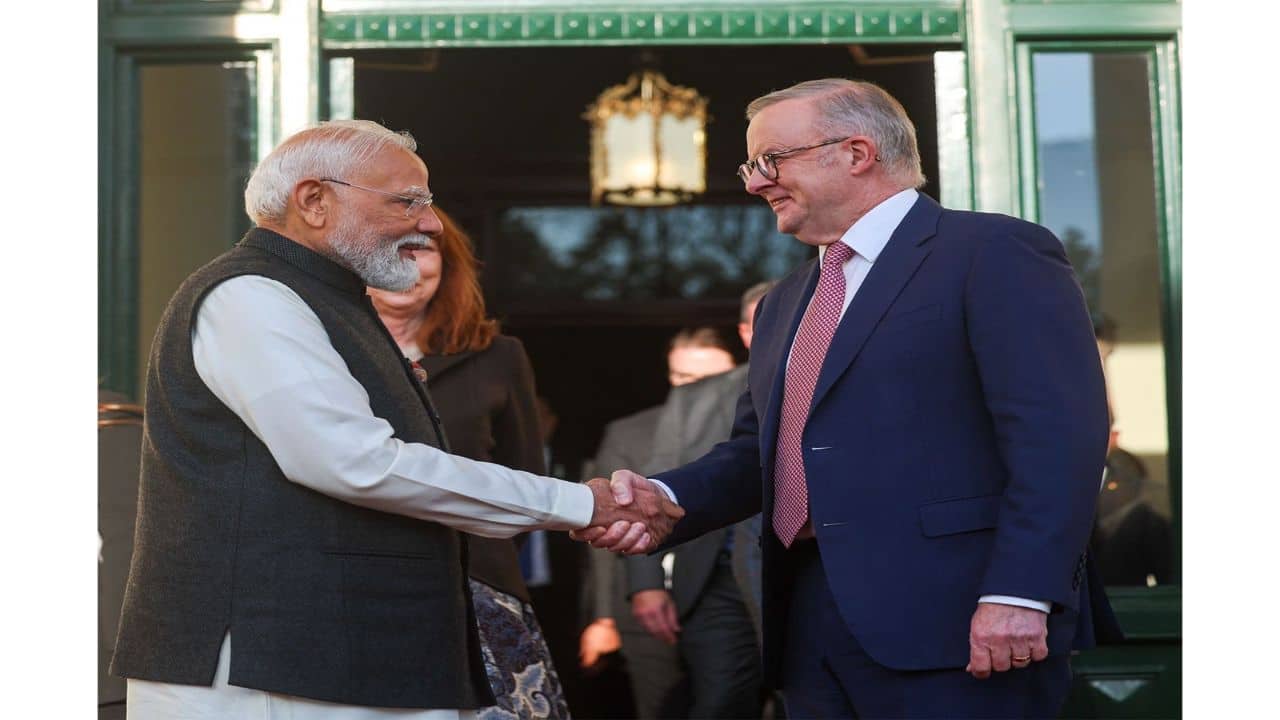
Prime Minister Narendra Modi's visit to Australia marked a pivotal moment for India's nuclear energy roadmap. The two leaders signed a deal that permits the import of Australian uranium for "peaceful purposes" under the stringent safety standards of the International Atomic Energy Agency (IAEA). This agreement guarantees a transparent, reliable supply chain essential for India's expanding nuclear fleet.
Why the Uranium Deal Matters for India's 100 GW Target
India currently operates roughly 8 GW of nuclear capacity. The government's long‑term vision is to reach 100 GW by 2047, a cornerstone of its net‑zero and clean‑energy commitments. Achieving this scale requires a steady, high‑quality uranium supply. Australia holds about 32 % of the world’s known uranium reserves, making it one of the most dependable sources of premium-grade fuel.
Historical Context and Earlier Agreements
In 2014, New Delhi and Canberra entered a civil nuclear cooperation agreement that laid the groundwork for uranium trade. Although Australia lifted its export ban to India in 2012, actual shipments never materialised until now. With this fresh pact, India joins the ranks of China, Japan, Taiwan, and the United States as major buyers of Australian uranium, diversifying the latter’s export portfolio.
Broader Strategic Partnership
The uranium agreement is part of a widening India‑Australia strategic partnership that spans defence, critical minerals, and technology. Both nations have recently agreed to set up a temporary space‑tracking terminal on Australia’s Cocos (Keeling) Islands, bolstering India’s satellite missions. Such collaborations signal deeper integration in the Indo‑Pacific, enhancing supply‑chain resilience and geopolitical balance.
Challenges and Outlook
While the deal unlocks a vital fuel source, it also brings responsibilities. Compliance with IAEA safeguards, managing domestic public perception, and navigating geopolitical sensitivities will be essential. India continues to source uranium from Russia and Canada, a diversification strategy that mitigates supply risk. If executed smoothly, the agreement will propel India closer to its clean‑energy targets, reinforce energy security, and cement its role as a responsible nuclear power.