India has voiced deep concern over the escalating attacks and heightened tension in West Asia, especially around the Strait of Hormuz. The Ministry of External Affairs called on all sides to exercise restraint and safeguard the uninterrupted flow of energy supplies.
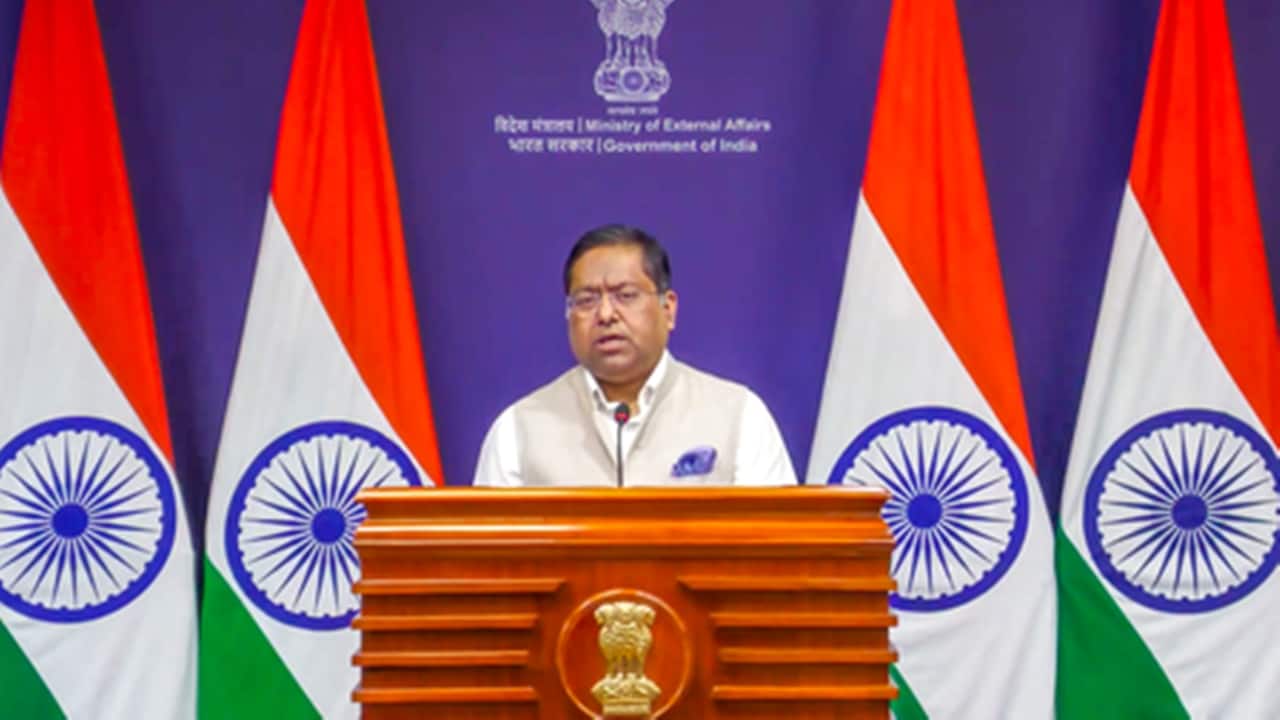
New Delhi (Zee News) – On Wednesday, India said it is "deeply concerned" about the recent attacks and the rapid escalation of tensions in West Asia. The statement, issued by Ministry of External Affairs spokesperson Randhir Jaiswal, warned that these developments threaten regional peace, security and stability.
Strategic Importance of the Strait of Hormuz
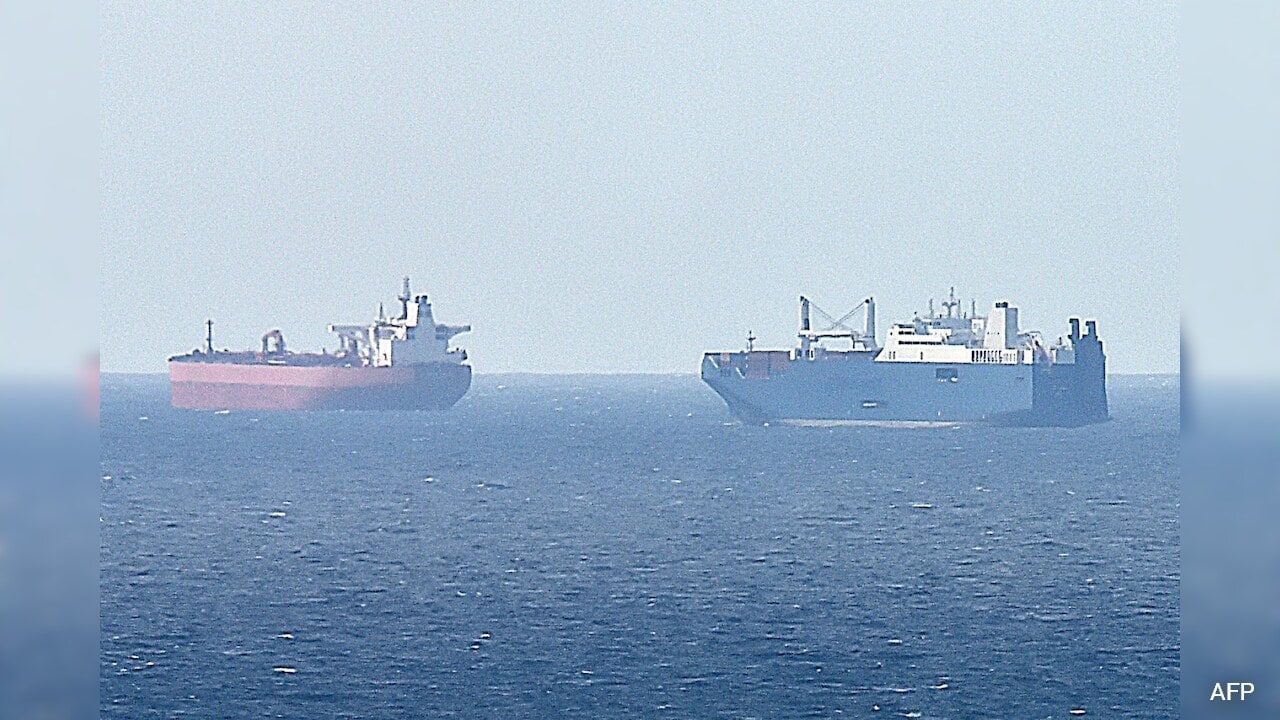
The Strait of Hormuz is one of the world’s most vital oil transit corridors, channeling millions of barrels of crude daily. Over the past weeks, commercial vessels navigating the strait have been repeatedly targeted, sparking volatility in global shipping and oil markets.
US‑Iran Escalation and Market Reaction
U.S. President Donald Trump declared the Washington‑Tehran cease‑fire "effectively over" after a fresh round of American strikes on Iranian targets. The announcement sent Brent crude up by 6.5% and U.S. West Texas Intermediate (WTI) soaring more than 6%, reflecting heightened fears over energy supplies from the region.
India’s Diplomatic Stance
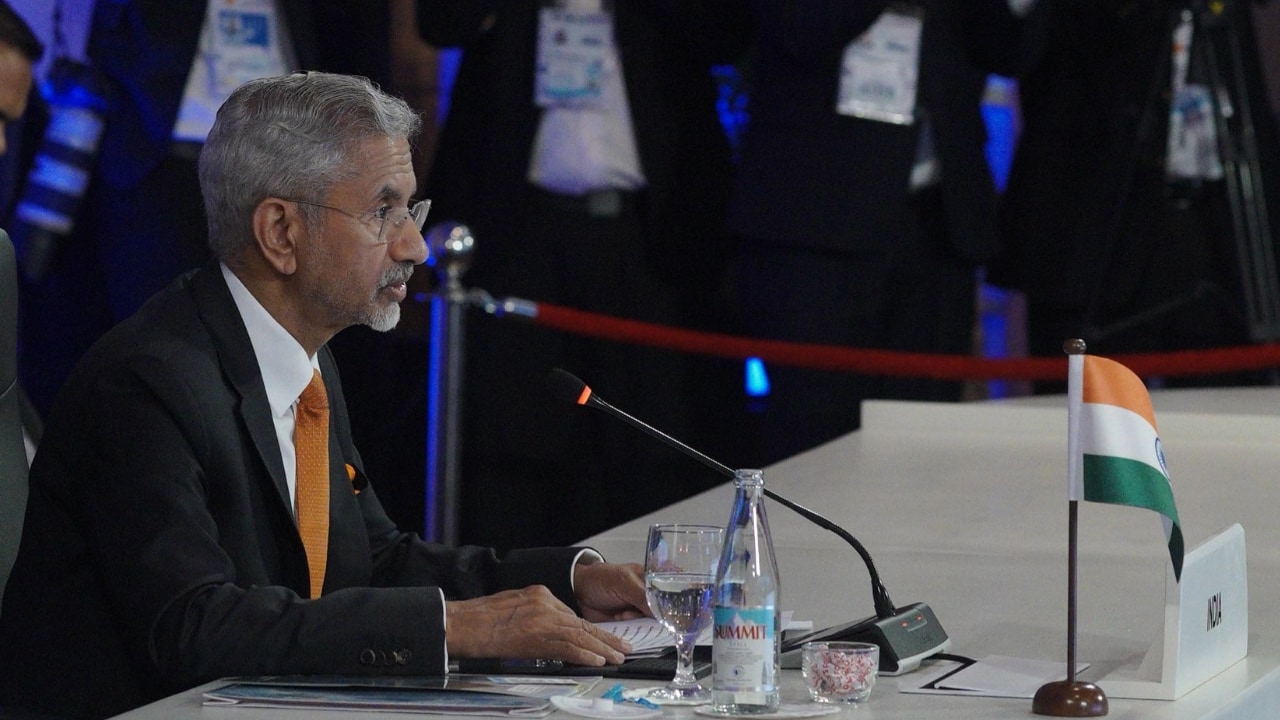
India urged all parties to "exercise restraint, de‑escalate tensions, and protect civilians," while emphasizing the need for an uninterrupted flow of energy and commerce. The MEA stressed that dialogue and diplomacy remain the only viable path to a lasting peace, echoing India’s historic role as a mediator in volatile regions.
Global Implications and Outlook
Rising oil prices directly impact import‑dependent economies, including India, by feeding into inflation and widening trade deficits. Analysts warn that continued instability could push prices even higher, underscoring the urgency for coordinated international diplomatic efforts to secure the Hormuz corridor.
In short, India’s deep concern highlights the intertwined nature of regional security, energy logistics, and global economic stability, while its call for restraint reflects a measured, principle‑driven foreign‑policy approach.