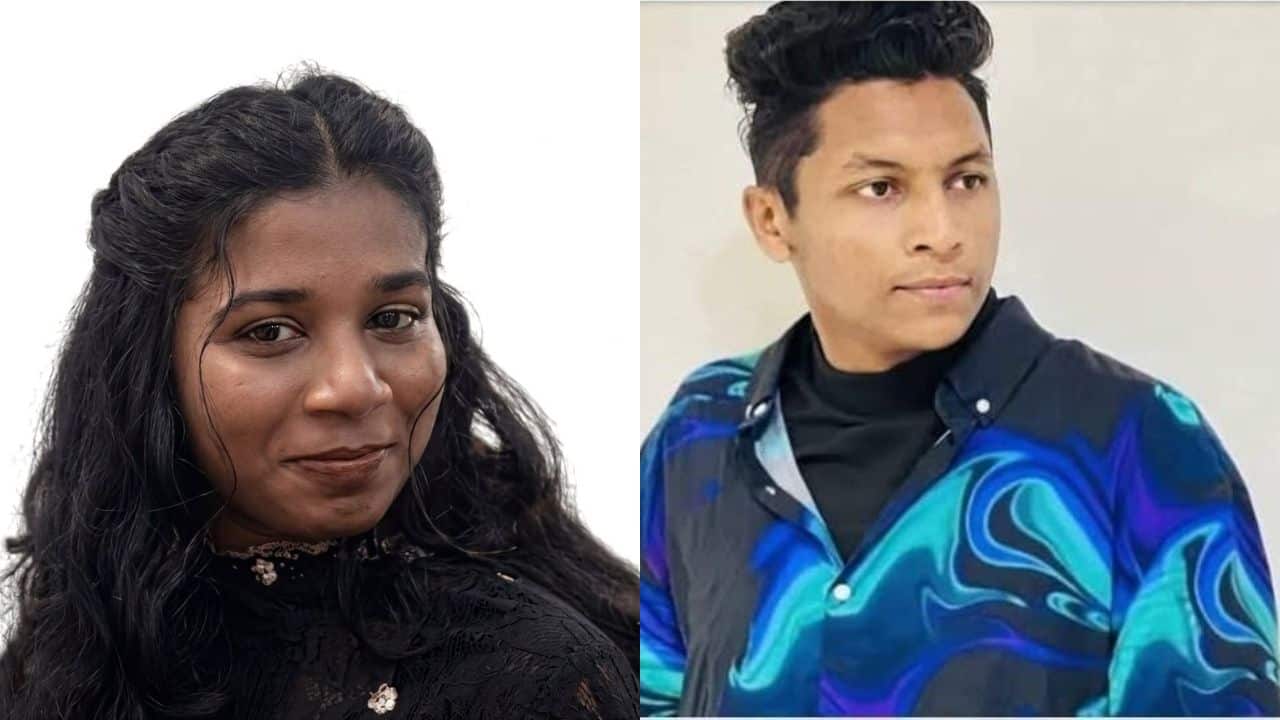
A 21‑year‑old medical student from Kerala was brutally killed in Uzbekistan, allegedly after being pressured to convert religion by a fellow student. Her family now seeks a new investigation and the extradition of the accused to India.
Key Takeaways
- Kerala medical student Sawariya Basanth murdered in Uzbekistan
- Family alleges forced religious conversion pressure
- Demand for fresh probe and extradition of accused Sadarul Anam to India
On July 10, 2026, 21‑year‑old Sawariya Basanth, a first‑year student at Bukhara State Medical Institute, was found dead under horrifying circumstances in Uzbekistan. Local authorities and the Indian Embassy confirmed that the death was not an accidental or spontaneous act; rather, it was a calculated assault that left injuries “from head to toe.”
Background and Accused Identification
The alleged perpetrator, 22‑year‑old Sadarul Anam from Kerala’s Malappuram district, was arrested by Uzbek police after a joint hostel‑room investigation. Although male and female students occupied separate floors, both shared common facilities, providing the opportunity for repeated interaction.
Family’s Allegations and Second Autopsy
According to Basanth’s uncle, Janeesh, an Uzbek investigating officer reported that the victim’s body bore multiple wounds across her entire anatomy, contradicting any claim of a swift, accidental death. The family, unsatisfied with the initial findings, requested a second post‑mortem at Alappuzha Medical College Hospital. That examination confirmed signs of severe physical assault, aligning with the family’s narrative of prolonged abuse.
Legal Proceedings and Diplomatic Engagement
Kerala’s Harippad Police have registered a murder case based on a formal complaint lodged by the victim’s father. While awaiting detailed case files from Uzbek authorities, the Indian Embassy in Tashkent has pledged full assistance, facilitating the repatriation of the remains and maintaining constant communication with Uzbek officials.
Implications and Future Outlook
The incident raises profound concerns about the safety of Indian students abroad, the protection of religious freedom, and the mechanics of cross‑border criminal justice. The family’s demand for the investigation to be transferred to Kerala and for the accused’s extradition underscores the need for swift, transparent cooperation between the two nations. Experts warn that failure to address these concerns promptly could strain Indo‑Uzbek diplomatic ties and set a troubling precedent for future student‑related incidents.