Poland’s senior foreign affairs official said Prime Minister Narendra Modi played a crucial role in preventing Russia from deploying tactical nuclear weapons in Ukraine at the end of 2022. The comment comes as India‑Poland strategic partnership talks intensify ahead of a planned Polish prime ministerial visit.
Key Takeaways (मुख्य बिंदु)
- Modi’s pressure on Putin highlighted by Polish minister.
- Poland‑India strategic partnership being deepened through high‑level visits.
- Potential implications for global nuclear non‑proliferation and security.
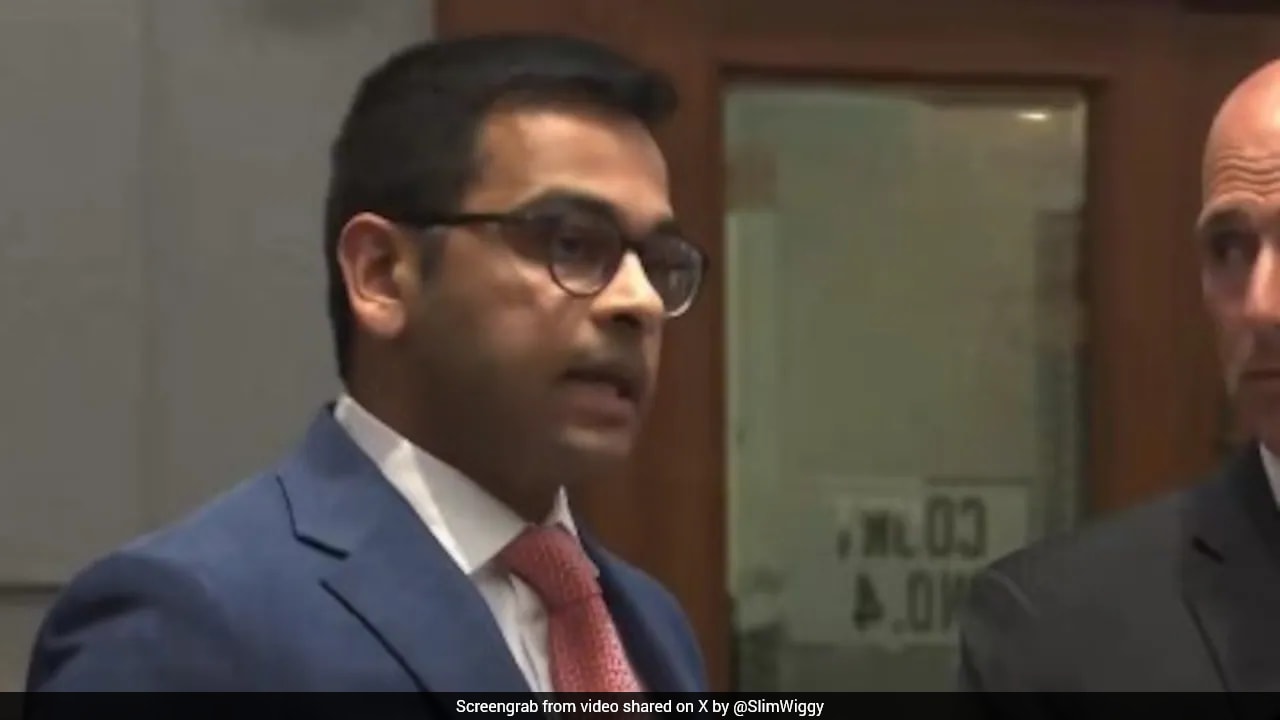
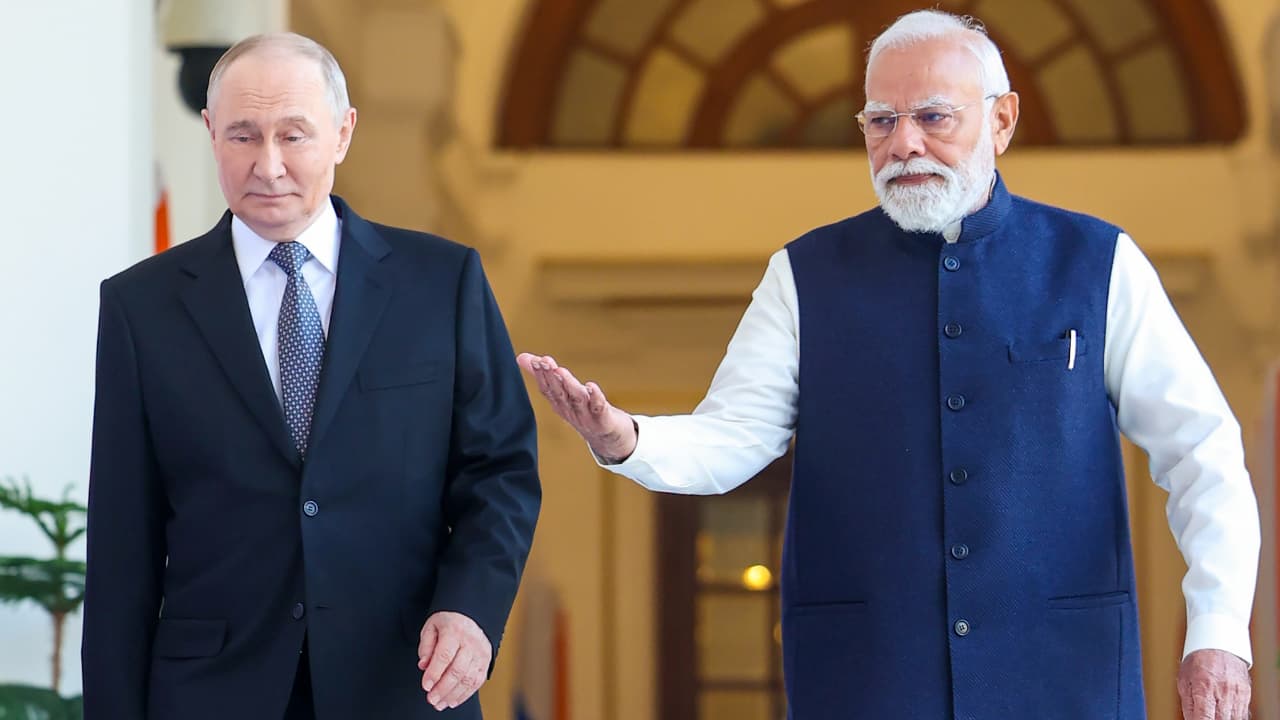
Władysław Teofil Bartoszewski, Secretary of State at Poland’s Ministry of Foreign Affairs, told reporters in New Delhi that Prime Minister Narendra Modi was instrumental in stopping Russian President Vladimir Putin from using tactical nuclear weapons in Ukraine at the end of 2022. “President Putin actually pays attention to what Prime Minister Modi tells him,” Bartoszewski said, underscoring India’s unique leverage over Moscow.
Background and International Context
During the final quarter of 2022, the Russia‑Ukraine war reached a dangerous inflection point, with several Western capitals warning of a possible Russian nuclear escalation. India, maintaining a non‑aligned stance, continued diplomatic engagement with both sides while preserving its strategic energy and defence ties with Russia. Bartoszewski’s remarks suggest that India’s diplomatic outreach to Moscow may have convinced Putin to refrain from a nuclear option, thereby averting a catastrophic escalation.
Significance of the Polish Minister’s Statement
“Prime Minister Narendra Modi is a very well‑known world statesman, who is very respected,” the Polish official said, highlighting how European partners view India as a potential peace broker. He added that Modi is “one of the few people who actually can exert some pressure and influence on President Putin,” a rare acknowledgement of India’s soft power in a high‑stakes geopolitical arena.
India‑Poland Strategic Partnership
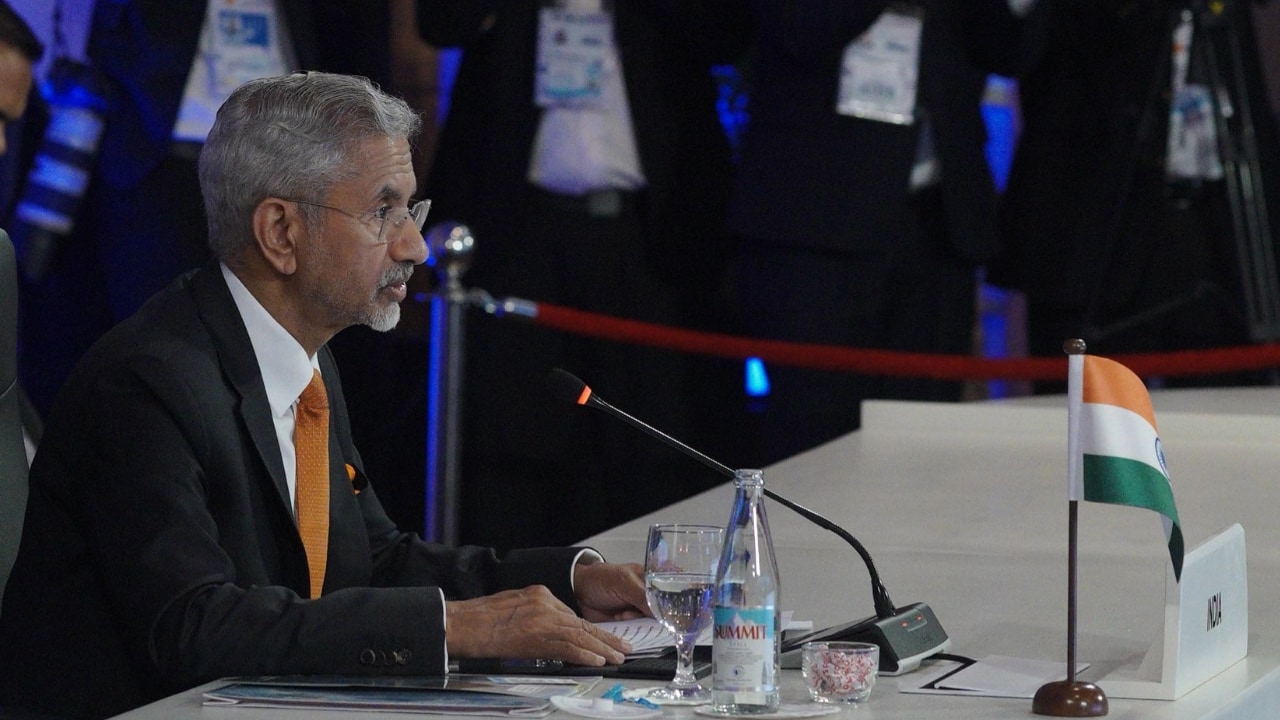
The Polish delegation is currently in India to bolster the India‑Poland Strategic Partnership ahead of Polish Prime Minister Donald Tusk’s scheduled visit later this year. Cooperation spans defence, security, space, clean‑water technologies, and coal‑mining innovations. Recent joint ventures include the production of Polish‑designed drones on Indian soil under the “Make in India” programme, and plans for a Polish military working group to discuss concrete defence projects, including joint equipment manufacturing.
Implications for Global Security
If Bartoszewski’s claim holds, it would demonstrate that India’s diplomatic outreach can influence the calculus of nuclear‑armed states, reinforcing the relevance of dialogue‑first policies. It also signals that non‑aligned nations may play a pivotal role in curbing nuclear proliferation. Nonetheless, independent verification of the specific diplomatic actions remains lacking, and analysts call for more transparent evidence before drawing definitive conclusions.
Conclusion
The Polish minister’s comments inject fresh momentum into India‑Poland ties and reaffirm India’s growing stature on the world stage. They also highlight the delicate balance of maintaining strategic interests with Russia while advocating for peace in Ukraine—a balance that could shape future international security dynamics.