The newly approved US‑Saudi civil nuclear agreement grants Riyadh the right to enrich uranium domestically, sparking optimism in Pakistan and alarm in Israel. By easing traditional non‑proliferation safeguards, the pact introduces fresh strategic complexities across the region.
Key Takeaways
- The US‑Saudi deal permits Riyadh to enrich uranium on its own soil.
- Pakistan sees a potential pathway for deeper nuclear cooperation.
- Israel views the development as a direct security threat.
Core Provisions of the Agreement
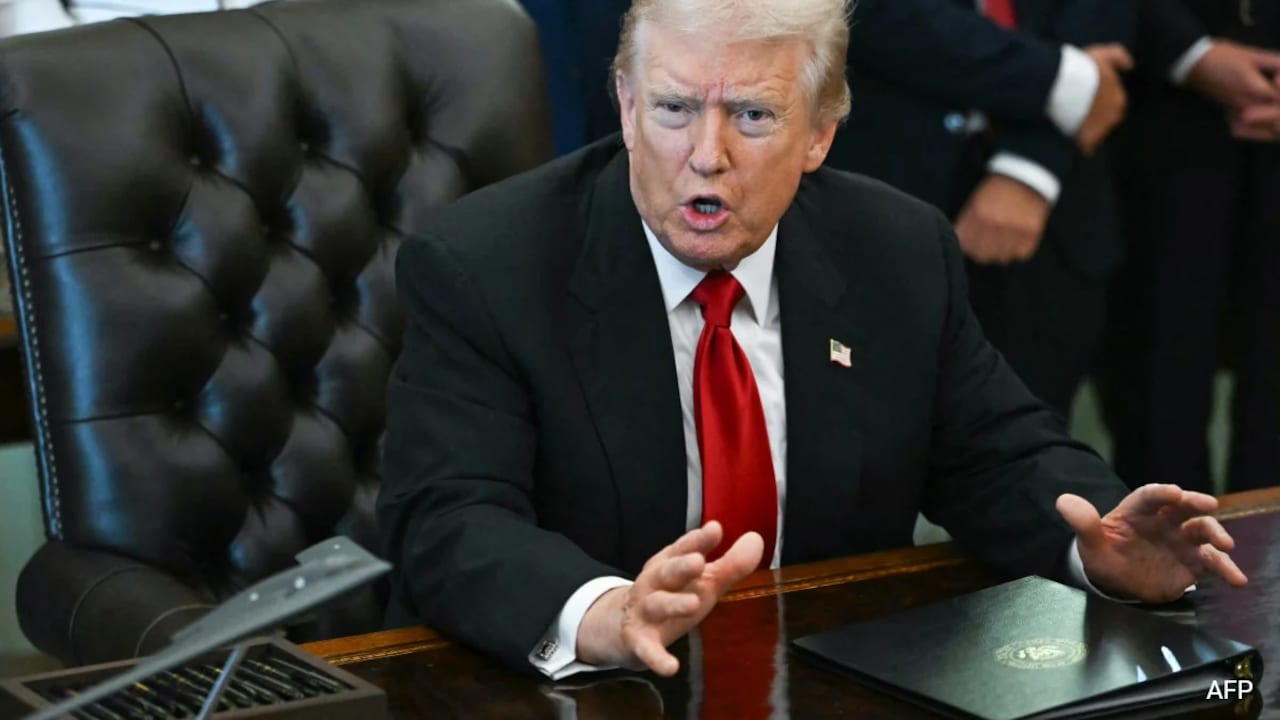
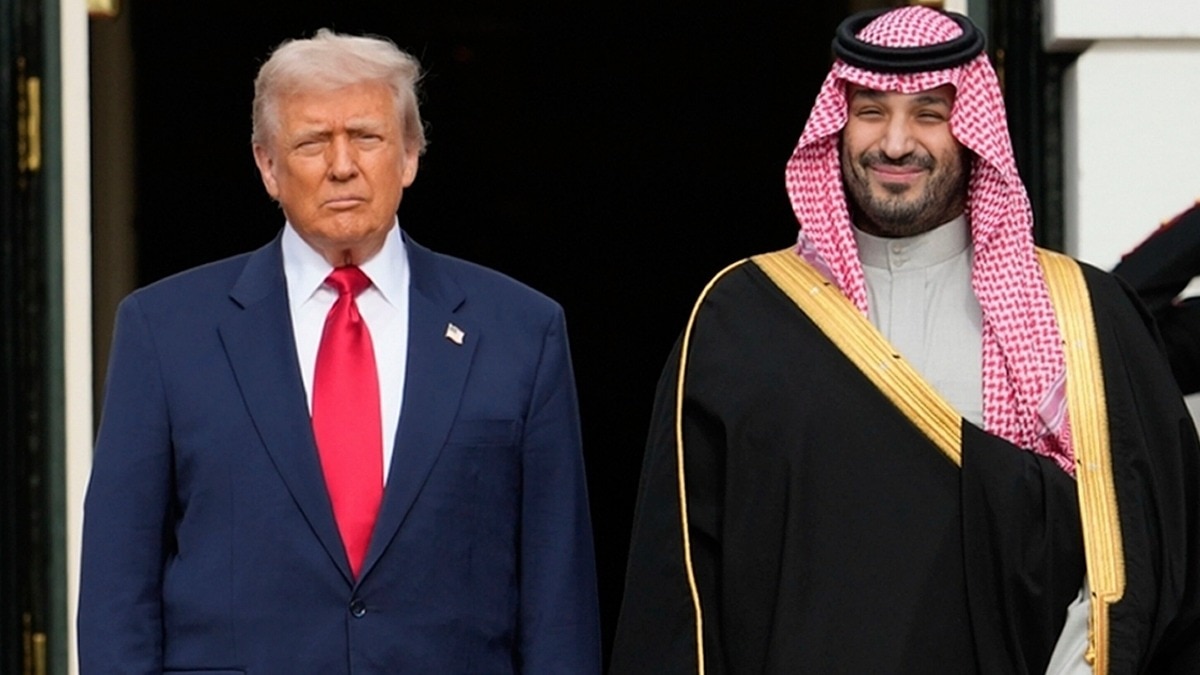
President Donald Trump recently signed a landmark civil nuclear cooperation pact with Saudi Arabia, allowing Riyadh to develop domestic uranium enrichment capabilities. Built on the 123 Agreement framework, the deal spans 30 years and involves billions of dollars in joint projects.
Pakistan’s Strategic Opportunity
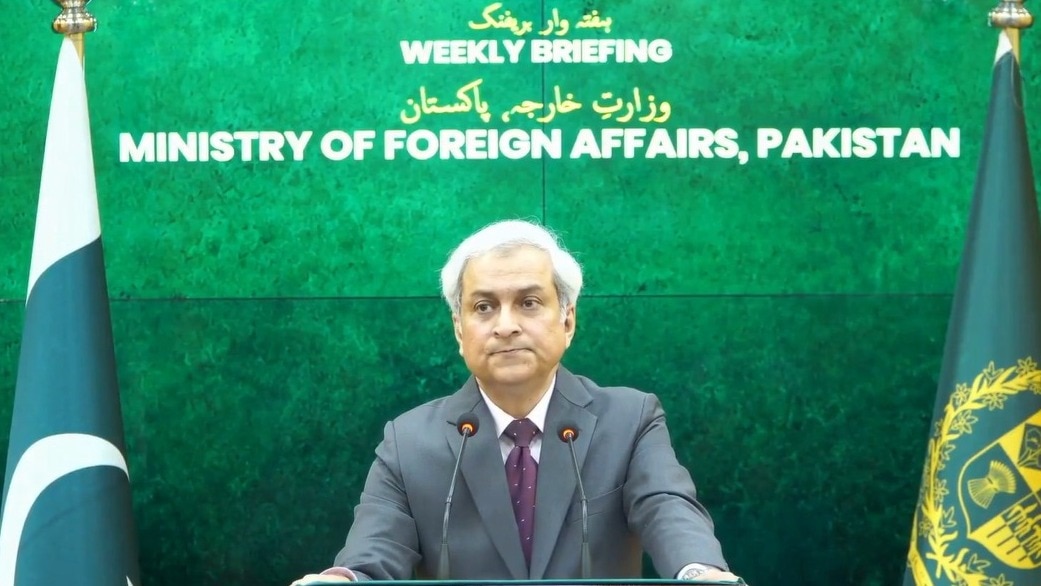
Long‑time Saudi partner Pakistan, under a 2025 mutual defence treaty, perceives the agreement as a chance to expand its nuclear technology access. Defence analyst Sandeep Unnithan noted, "The Saudi‑US deal gives Riyadh the right to enrich uranium without the usual safeguards, opening a window for Pakistan to deepen its nuclear collaboration."
"If Saudi Arabia advances its own enrichment program, the regional security calculus could shift dramatically," an expert warned.
Why This Matters
BozokMedia analysis shows that the deal could reshape Middle‑East security dynamics, giving Pakistan a potential gateway to advanced nuclear technology while prompting Israel to reassess its defense posture.
Frequently Asked Questions
Q1: Does the agreement require Saudi Arabia to adopt the IAEA Additional Protocol?
A: No, reports indicate the protocol is not mandated in this deal.
Q2: When is congressional approval for the pact expected?
A: The review is ongoing; Congress has not set a definitive timeline for ratification.