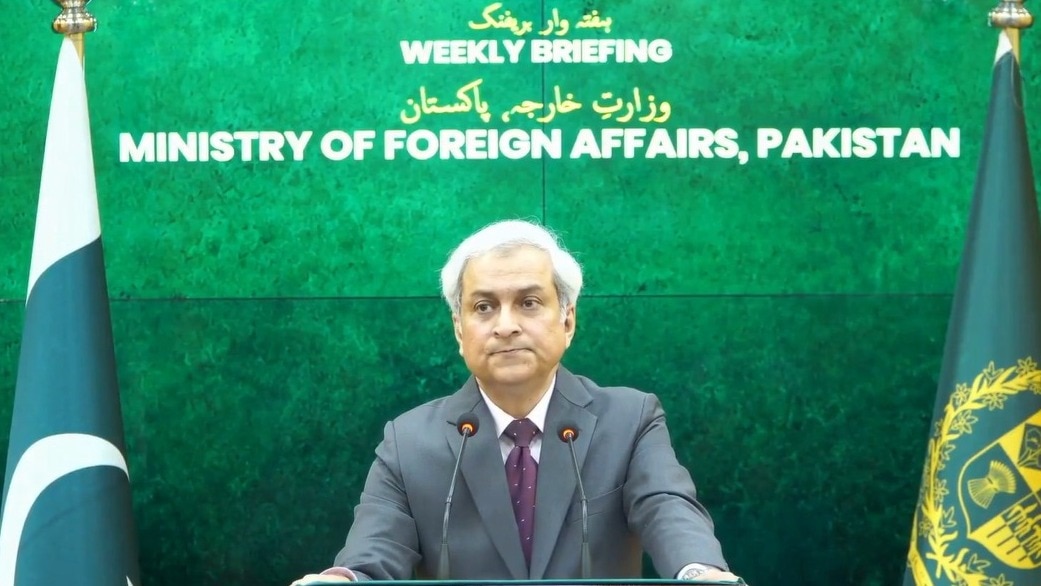
As the Cockroach Janata Party (CJP) protests continue at Jantar Mantar, Pakistan's Ministry of Foreign Affairs has officially declined to comment, labeling it India's internal affair.
Key Takeaways
- Pakistan's Foreign Ministry termed CJP protests as India's internal matter.
- Spokesperson Tahir Andrabi refused to comment on human rights concerns.
- The CJP movement, centered on NEET-UG paper leaks, enters its fifth week.
- PM Modi announces Fast Track Courts for exam malpractice cases.
Amidst the growing social media frenzy surrounding the Cockroach Janata Party (CJP) protests at Delhi's Jantar Mantar, Pakistan has finally broken its silence. The Ministry of Foreign Affairs of Pakistan has officially categorized the ongoing demonstrations as an internal matter for India.
During a weekly press briefing, Pakistan's Foreign Ministry spokesperson, Tahir Andrabi, was questioned regarding whether the Indian government's handling of the protests raised human rights concerns. Andrabi responded decisively, stating, "This is India's internal matter. We do not comment on such matters."
Why This Matters
BozokMedia analysis shows that the CJP movement has transitioned from a localized grievance to a nationwide demand for systemic reform. The protesters are demanding the resignation of Union Education Minister Dharmendra Pradhan and accountability for the NEET-UG paper leak scandal.
"The refusal of neighboring nations to intervene in domestic civil unrest often signals a calculated diplomatic stance to avoid bilateral friction."
The situation has escalated following the 'Parliament March' on July 20, where clashes erupted between protesters and the Delhi Police. While protesters allege excessive use of force, including tear gas and lathi charges, authorities maintain that such measures were necessary to prevent security breaches.
Historical Background
Student-led movements in India have historically played a pivotal role in shaping national policy. The recent surge in exam irregularities has unified diverse student groups, creating a massive pressure group that demands transparency in the country's competitive examination framework.
Frequently Asked Questions
1. What is the primary demand of the CJP?
The primary demand is the resignation of the Education Minister and strict action regarding the NEET-UG paper leaks.
2. What action has the Indian government taken?
Prime Minister Narendra Modi has announced the establishment of Fast Track Courts to expedite trials for paper leak perpetrators.