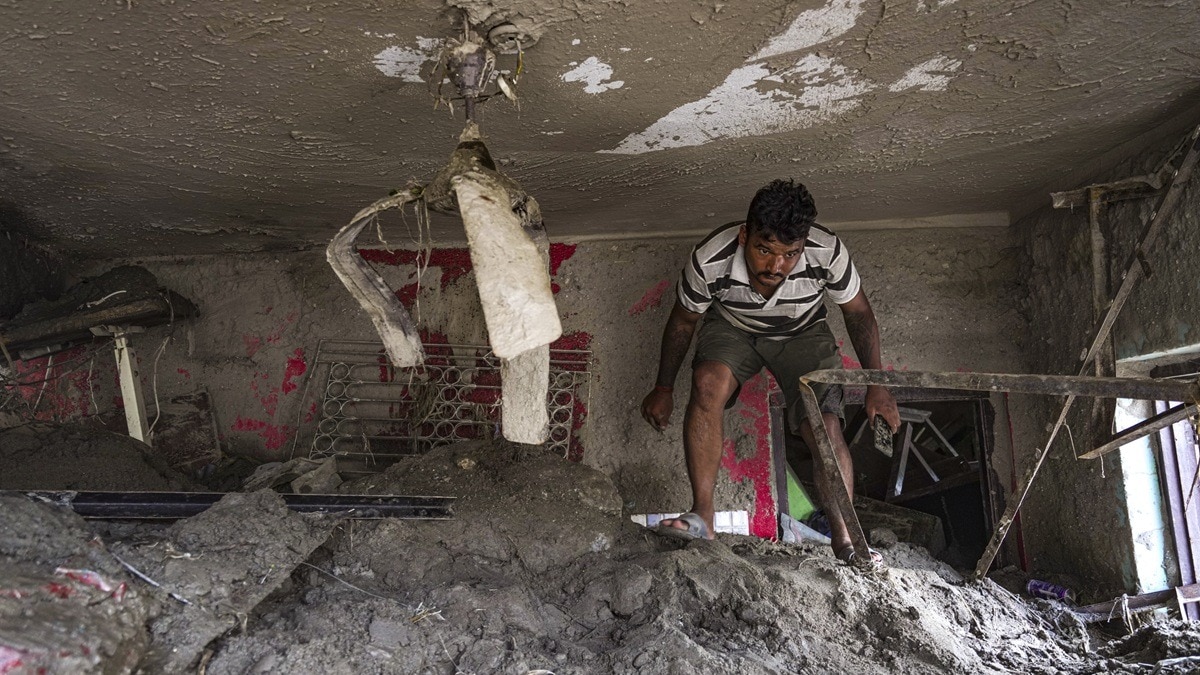
Russian ballistic missiles struck Ukraine’s capital Kyiv on August 1, 2026, killing at least four civilians and injuring fifteen, including two teenage boys. Residents reported hearing more than ten consecutive explosions that even set off car alarms across the city.
Key Takeaways
- Four civilians killed in Kyiv
- Fifteen injured, including two teenagers
- Over ten consecutive explosions triggered car alarms
Attack Overview
On August 1, 2026, Russian forces launched a salvo of ballistic missiles against Kyiv, resulting in four fatalities and fifteen injuries, among them two boys aged 13 and 17. Kyiv Mayor Vitali Klitschko warned citizens on Telegram: "Explosions in the city. Kyiv is under ballistic missile attack. Stay in shelters!"
Local Response
Emergency responders rushed to the affected sites, extinguishing fires and transporting the wounded to hospitals. The intensity of the blasts was reported to have activated car alarms on streets, and journalists confirmed hearing more than ten explosions in rapid succession.
Historical Background
Since June 2022, civilian casualties in Ukraine have risen sharply, with the United Nations labeling June 2026 the deadliest month for civilians. Russia has intensified long‑range strikes in recent months, while Ukraine has escalated its retaliatory attacks, heightening the overall conflict intensity.
Why This Matters
BozokMedia analysis shows that such high‑intensity strikes aim to cripple Kyiv’s civil infrastructure and lower civilian morale, signaling a possible escalation before diplomatic talks resume.
"These ballistic attacks expose critical gaps in urban civilian protection systems," says security analyst Dr. Alisha Ahmed.
Frequently Asked Questions
Question 1: How many people were killed in the attack?
Answer: Official reports confirm four civilian deaths.
Question 2: Did the attack damage any major infrastructure?
Answer: While power and communications were disrupted in several districts, key government buildings remained intact.