In a major humanitarian gesture, India has dispatched an 11-member team of tunnel rescue and medical specialists to Nepal to assist in locating workers trapped in hydropower tunnels following catastrophic flash floods.
- An 11-member Indian specialist team has been deployed to the Trishuli region of Nepal.
- The mission aims to rescue workers trapped in hydropower tunnels following flash floods.
- Nepal has requested India and China for assistance in constructing 42 Bailey bridges.
Following the catastrophic flash floods that ravaged the Trishuli region of Nepal, India has stepped in to provide critical technical assistance. An 11-member Indian team, comprising medical personnel and specialized tunnel rescue experts, has arrived to aid operations in search of workers believed to be trapped within hydropower project tunnels.
The team reached the flood-stricken Nuwakot district on Saturday after arriving in Nepal on Friday. According to the National Disaster Risk Reduction and Management Authority, the specialists conducted aerial surveys of the Chilime and Langtang areas to assess the terrain before commencing high-stakes rescue maneuvers.
Why This Matters
BozokMedia analysis shows that the scale of this disaster extends beyond immediate casualties, threatening the long-term energy security of Nepal. The destruction of the Upper Trishuli-1 and Trishuli-3A hydropower projects near the Nepal-Tibet border could cause significant regional economic instability and power shortages.
The rapid onset of these flash floods highlights the increasing vulnerability of Himalayan infrastructure to extreme weather events.
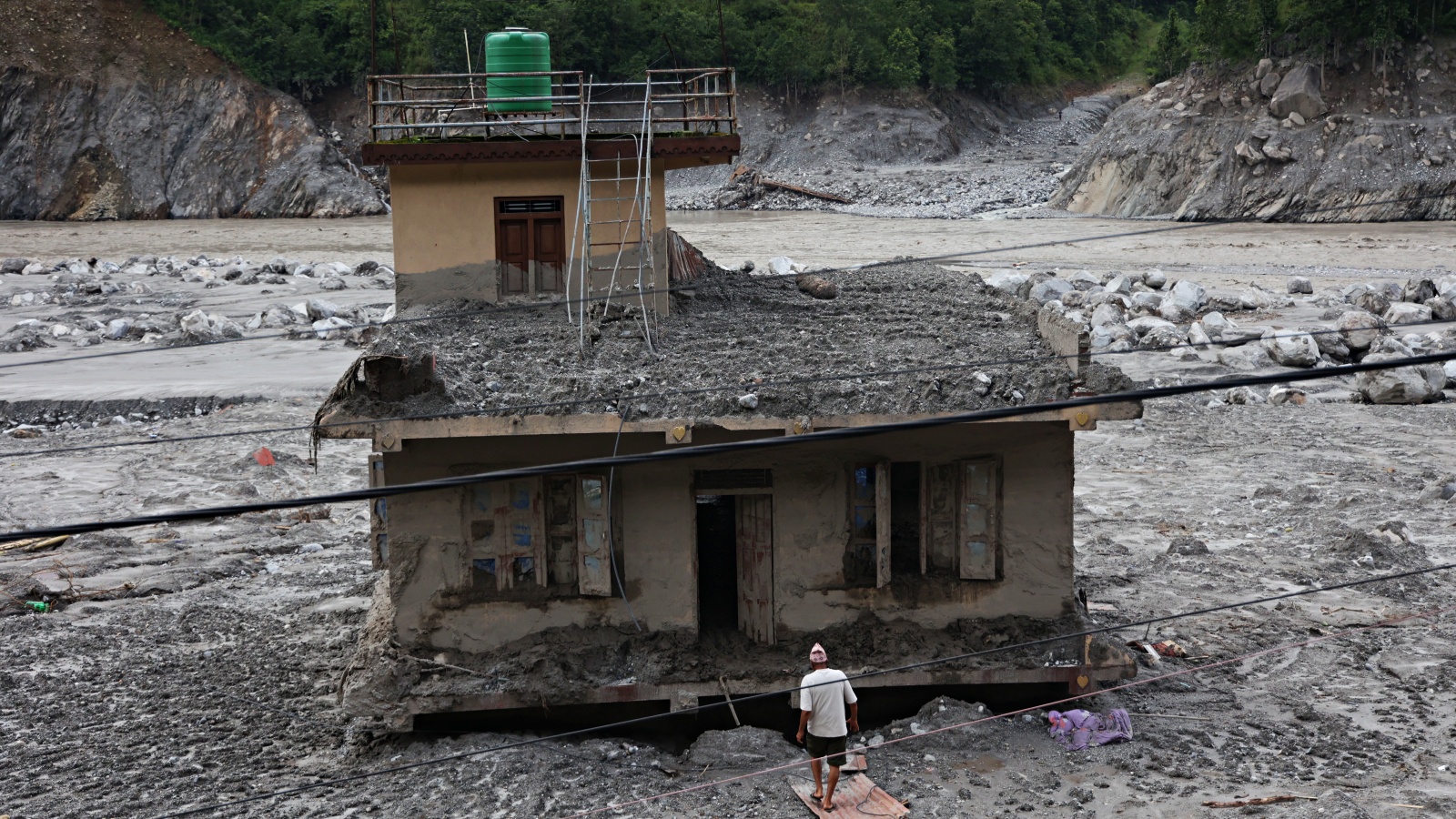
Rescue efforts are currently being spearheaded by an 82-member joint security force comprising the Nepal Army, Armed Police Force, and Nepal Police. However, the mission faces extreme challenges; heavy mud, massive debris, and unpredictable weather conditions have blocked several tunnel entrances, making access nearly impossible for standard emergency teams.
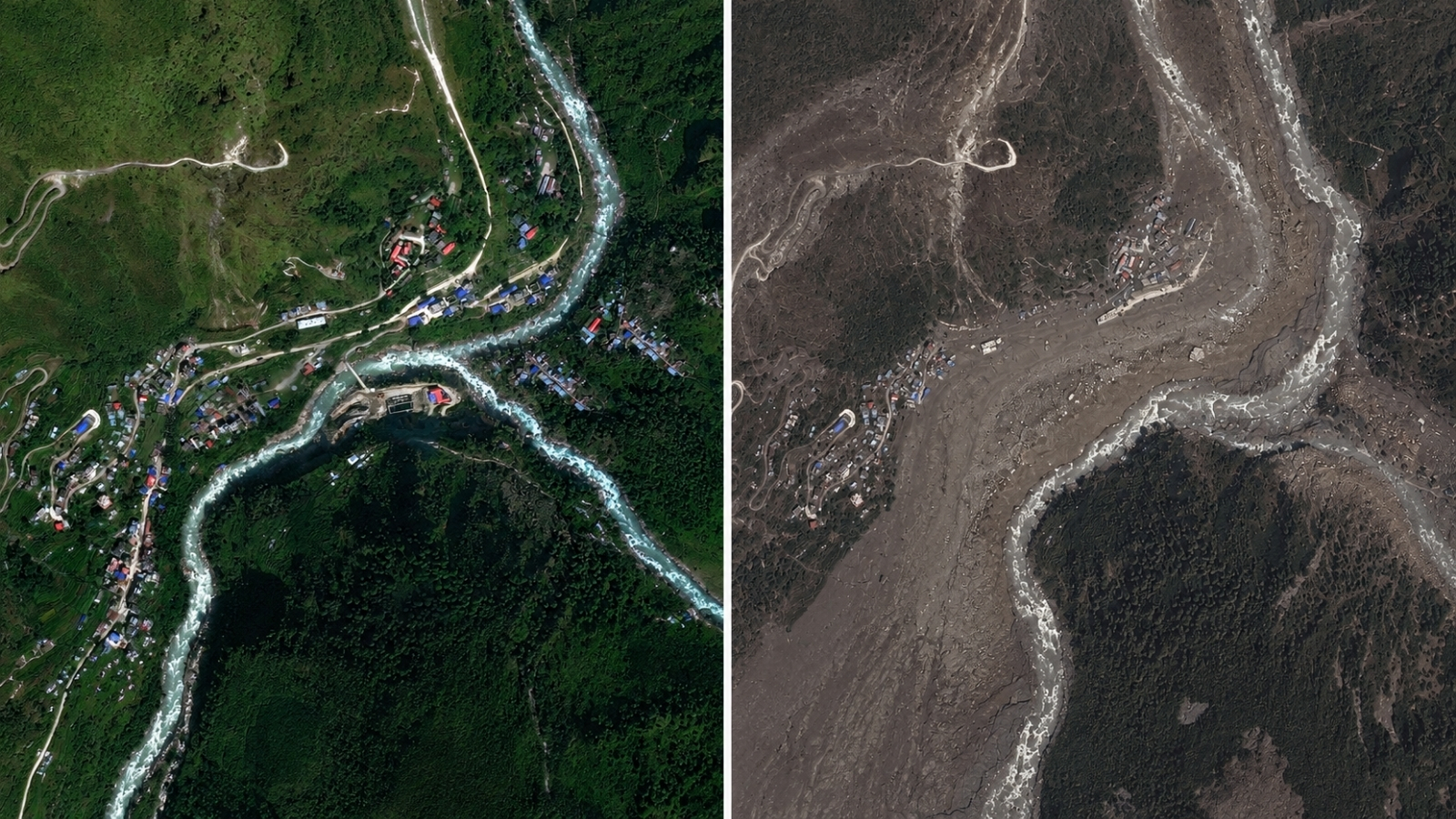
The floods, which swept through the Bhotekoshi and Trishuli river corridors, have caused widespread destruction of roads, bridges, and settlements. To combat the loss of connectivity, Kathmandu has formally requested both India and China to assist in the rapid assembly of 42 Bailey bridges, which are essential for restoring transport links to isolated communities.
Frequently Asked Questions
1. Which hydropower projects are most affected by the floods?
The Upper Trishuli-1 and Trishuli-3A projects in the Rasuwa district are among the most severely impacted.
2. What kind of help has India provided?
India has sent a specialized 11-member team of tunnel rescue and medical experts to assist Nepal's local authorities.