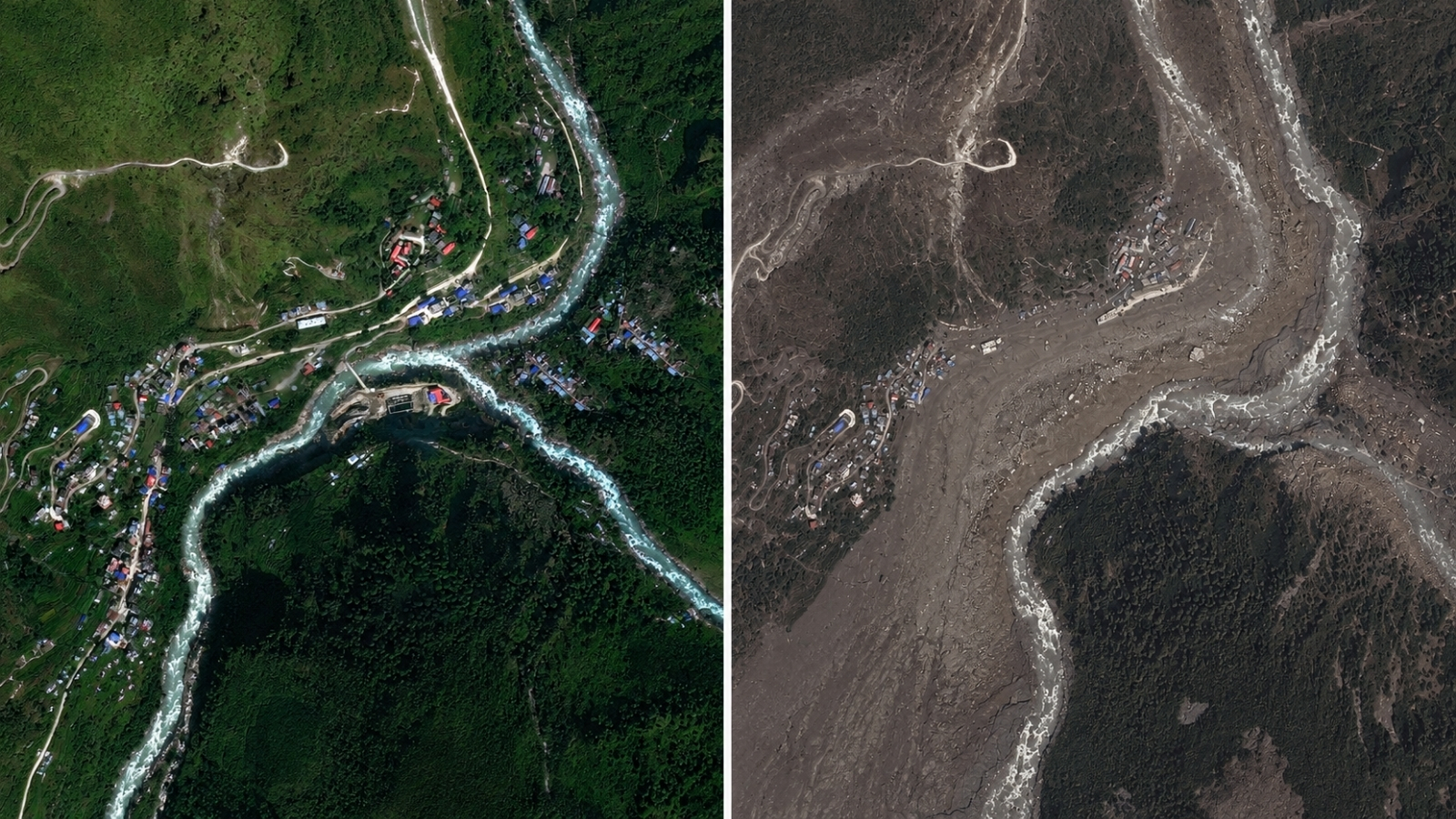
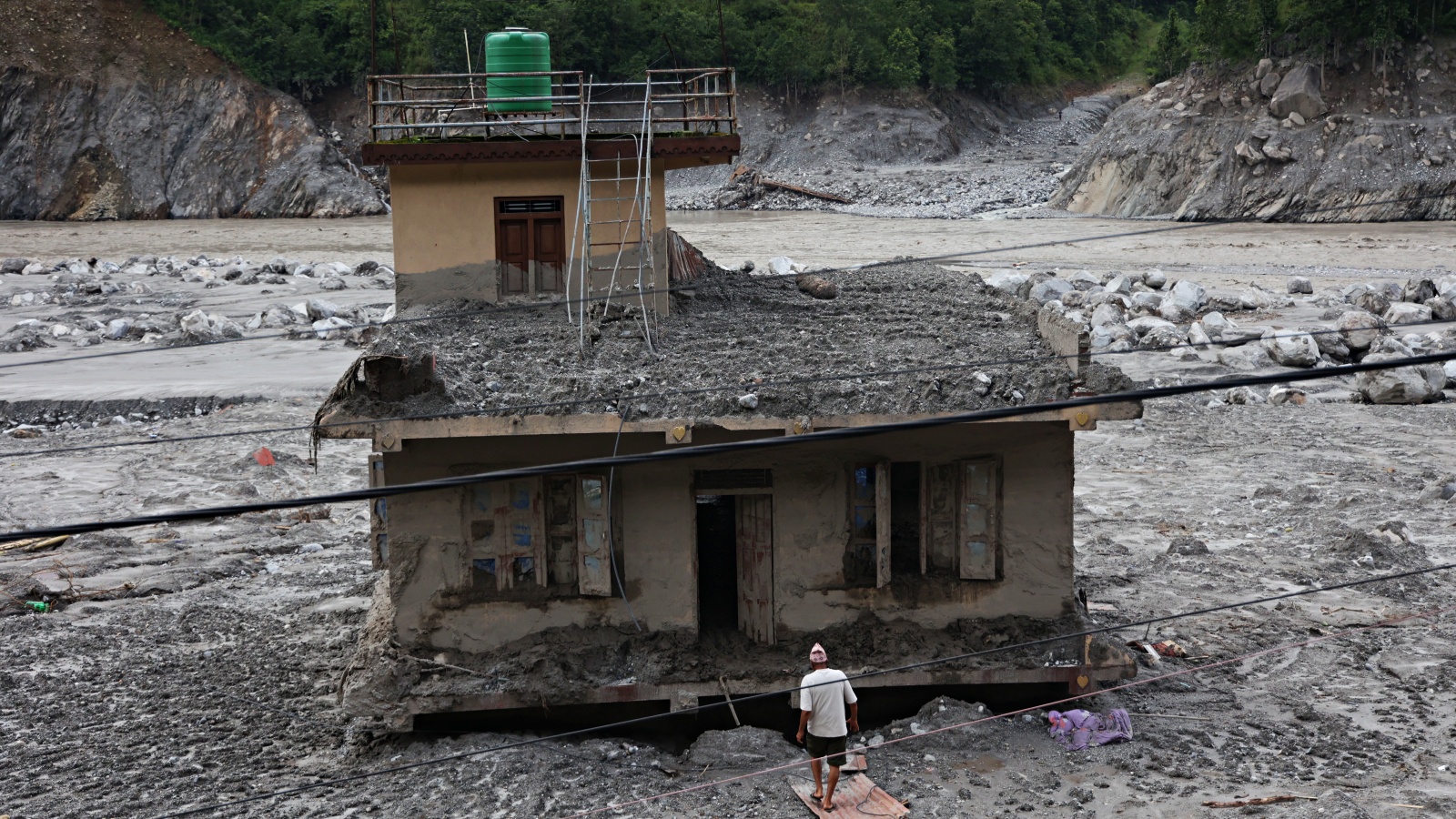
A catastrophic glacier-triggered flood has struck Nepal's Himalayan borderlands, leaving survivors in despair as rescue teams battle extreme weather conditions.
- Massive glacier-triggered flood hits Nepal's Himalayan region near the Tibet border.
- Rescue teams are conducting airlift operations amidst severe weather and debris.
- Survivors report total destruction of their homes and local infrastructure.
The Himalayan region of Nepal, bordering Tibet, has been struck by a catastrophic glacier-triggered flood, leaving a trail of destruction in its wake. The scale of the devastation is so immense that survivors have described the experience as feeling as though 'there is no world left,' reflecting the absolute loss of their homes, livelihoods, and community structures.
Rescue operations are currently underway, with teams battling treacherous weather conditions and massive amounts of debris to reach stranded populations. Emergency services are utilizing helicopters to airlift survivors to safer altitudes, but the rugged terrain and unpredictable climate continue to pose significant risks to both rescuers and those being saved.
Why This Matters
BozokMedia analysis shows that the increasing frequency of Glacial Lake Outburst Floods (GLOFs) in the Himalayan belt is a direct consequence of accelerating global warming. This event is not an isolated incident but a symptom of a larger, more dangerous pattern of cryospheric instability that threatens millions living downstream in South Asia.
The suddenness of these glacial floods leaves almost zero lead time for evacuation, making them among the deadliest natural disasters in mountain ecosystems.
Historically, the Himalayan landscape has been relatively stable, but the rapid melting of glaciers due to rising global temperatures has turned these peaks into zones of extreme volatility. The socio-economic impact on high-altitude communities is profound, as they often lack the infrastructure to withstand such sudden hydrological shifts.
In urban centers like Kathmandu, the emotional toll is visible as families gather at hospitals, caught between the desperate hope of finding loved ones and the crushing despair of the mounting death toll. The government and international aid agencies are being urged to provide immediate relief and long-term climate resilience strategies.
Frequently Asked Questions
Question 1: What caused the floods in Nepal?
Answer: The floods were triggered by a glacier outburst in the Himalayan region bordering Tibet.
Question 2: What are the primary obstacles to rescue efforts?
Answer: Rescue teams are facing severe weather, heavy debris, and extremely difficult mountainous terrain.