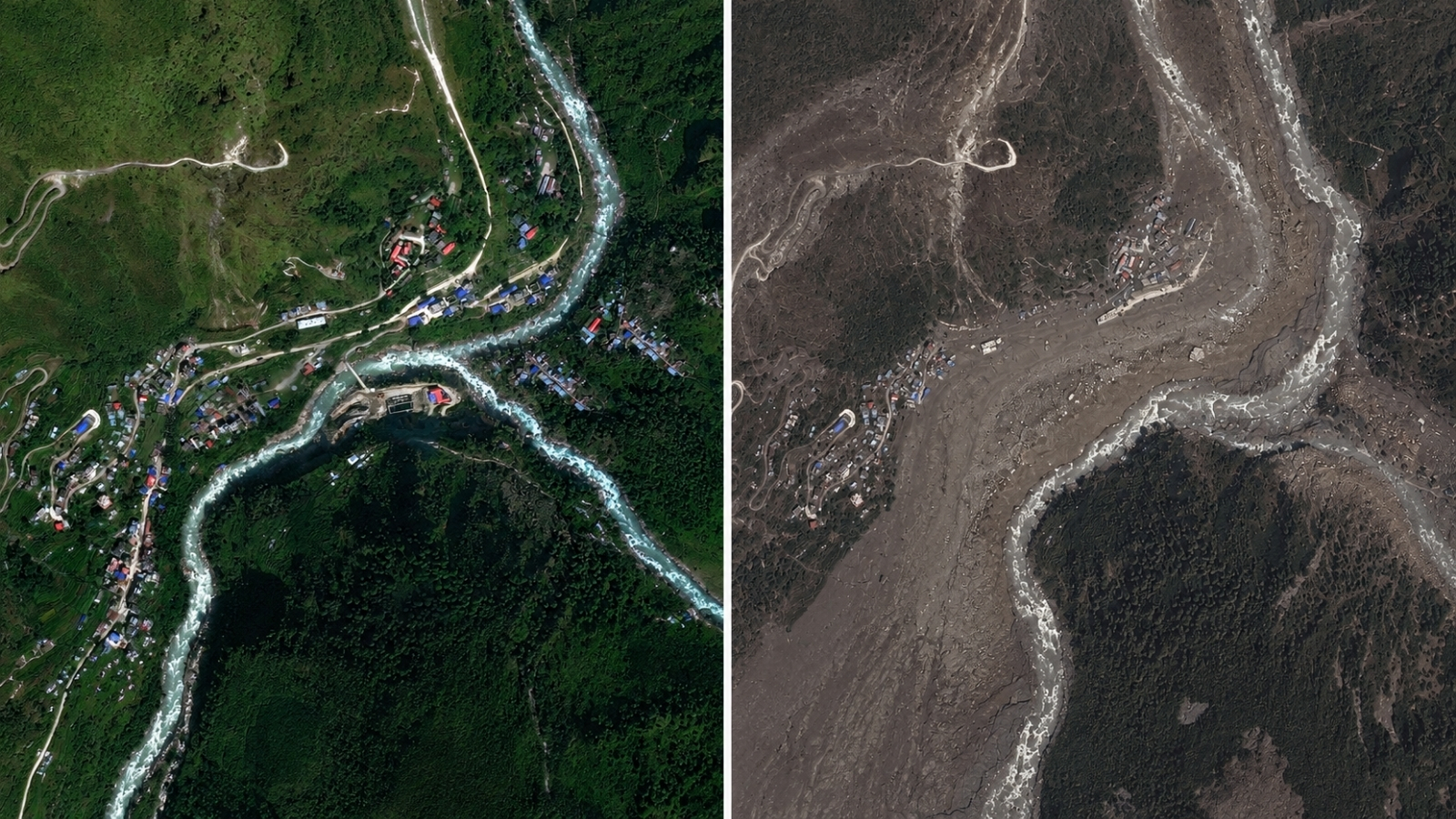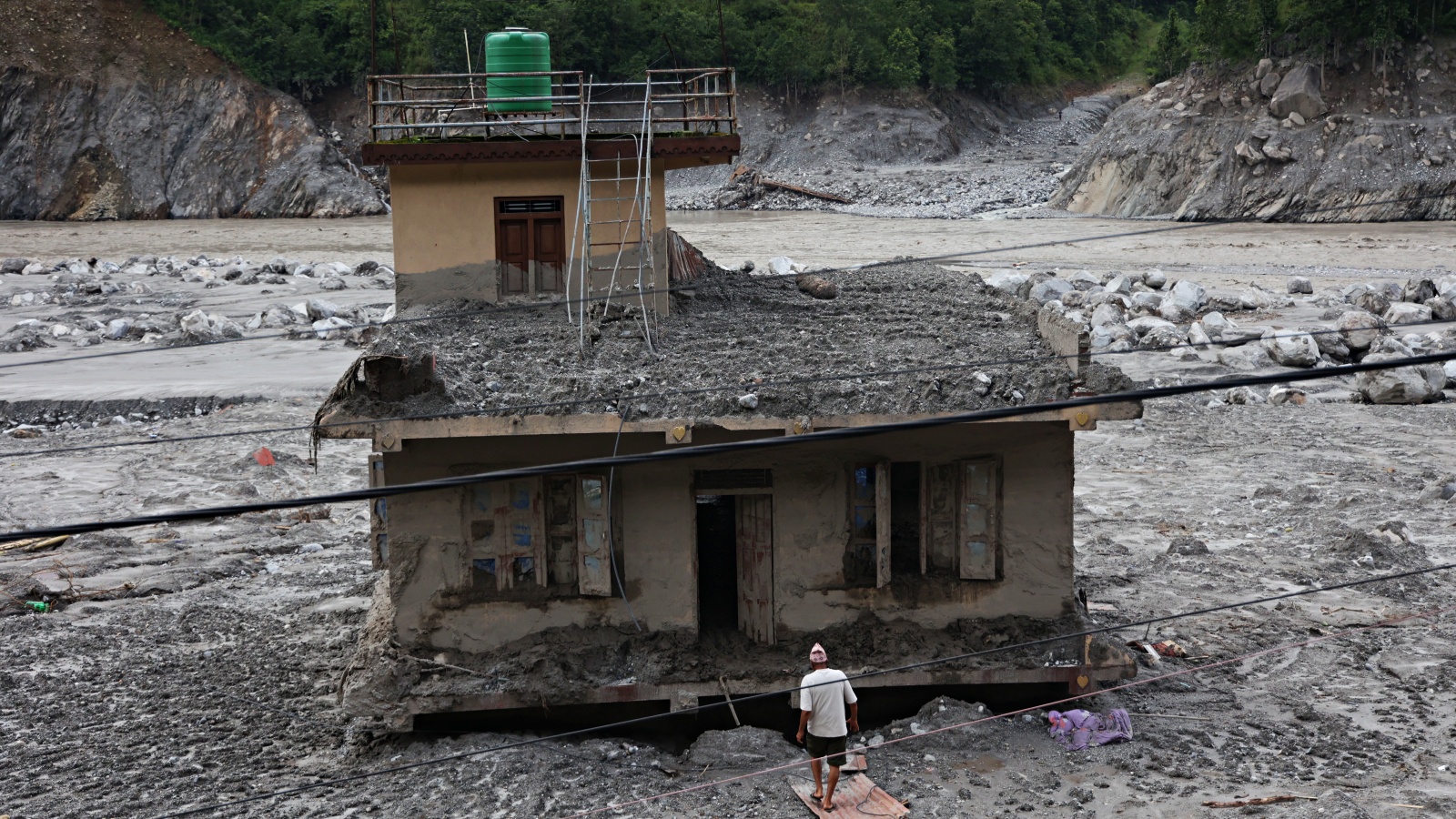
A catastrophic glacial collapse near the Nepal-Tibet border has triggered devastating flash floods in central Nepal, leaving 675 dead and over 2,400 people missing.
- Death toll has reached 675 following a massive glacial collapse.
- More than 2,400 individuals are still reported missing in the affected regions.
- Over 11,000 security personnel, including 5,000 from the Nepal Army, are engaged in rescue.
- Critical infrastructure, including hydropower stations, has been severely damaged.
The scale of devastation in central Nepal continues to grow as the death toll from recent flash floods rose to 675 on Saturday. Search and rescue operations are being conducted under challenging conditions, with authorities reporting that more than 2,400 people remain missing following the catastrophic event.
The disaster was triggered on Wednesday by a massive ice-rock avalanche resulting from a glacial collapse near the Nepal-Tibet border. A violent torrent of water, mud, and debris swept through central Nepal, obliterating entire villages, destroying vital infrastructure, and washing away critical hydropower stations.
Regional Impact and Casualty Breakdown
According to the Nepal Police, bodies have been recovered from eight heavily affected districts. The distribution of the deceased is as follows:
| District | Bodies Recovered |
|---|---|
| Chitawan | 246 |
| Nawalparasi East | 165 |
| Nawalparasi West | 63 |
| Gorkha | 57 |
| Nuwakot | 51 |
| Dhading | 45 |
| Tanahu | 35 |
| Rasuwa | 13 |
Rescue efforts led by the National Disaster Risk Reduction and Management Authority (NDRRMA) have successfully evacuated nearly 2,500 people, including 163 foreign nationals. A massive mobilization of over 11,000 security personnel, including 5,000 members of the Nepal Army, is currently underway to locate survivors.
Why This Matters
BozokMedia analysis shows that the increasing frequency of glacial lake outburst floods (GLOFs) and sudden glacial collapses is a direct consequence of rising global temperatures. This event highlights the extreme vulnerability of Himalayan communities to rapid environmental shifts.
The suddenness of this glacial collapse underscores the unpredictable nature of high-altitude terrains in the era of global warming.
Historical Background
The Himalayan region has historically been prone to landslides and seasonal flooding. However, the scale of this specific disaster, characterized by a sudden glacial collapse and the subsequent loss of thousands of lives, marks it as one of the most significant hydrological disasters in recent memory for central Nepal.
Frequently Asked Questions
Question 1: What caused the floods in Nepal?
Answer: The floods were caused by a glacial collapse near the Nepal-Tibet border, which triggered an ice-rock avalanche.
Question 2: Are foreigners affected by this disaster?
Answer: Yes, among the 2,500 people evacuated, 163 were identified as foreign nationals.