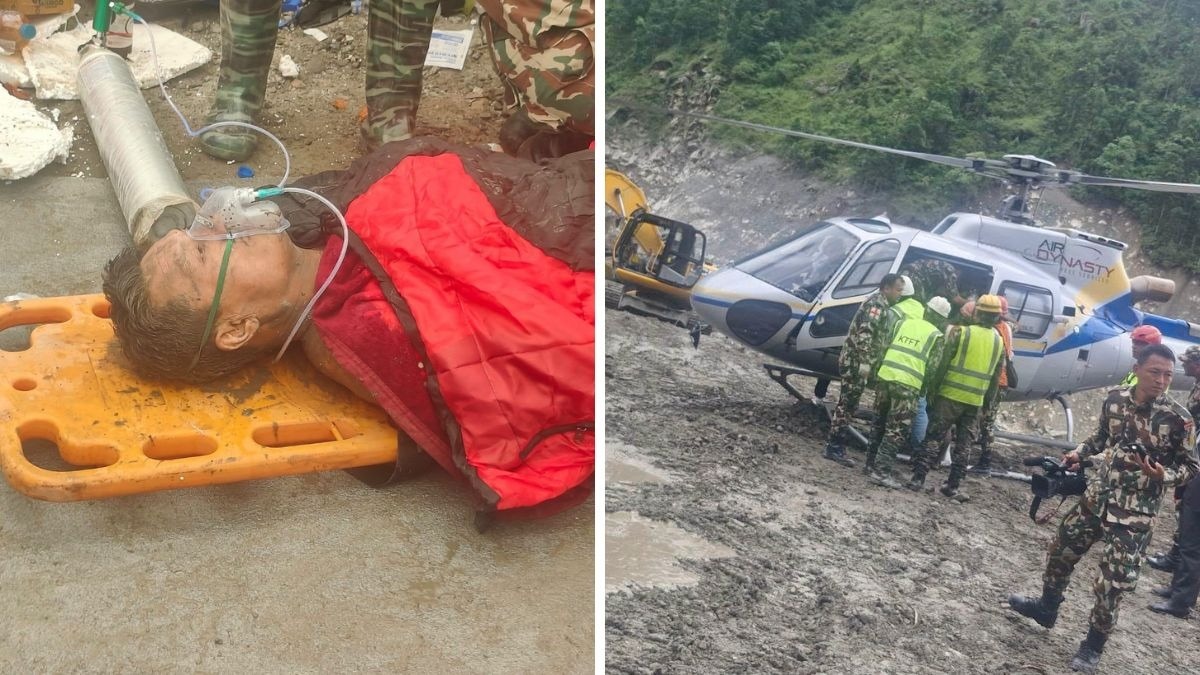
A glimmer of hope has emerged in the ongoing rescue operations in Nepal after rescuers detected sounds of trapped workers beneath the debris. The breakthrough has intensified efforts to reach the survivors.
- Rescuers have detected voices of trapped workers under the tunnel debris.
- Advanced acoustic sensing technology is being utilized in the operation.
- The rescue mission has entered a critical and high-intensity phase.
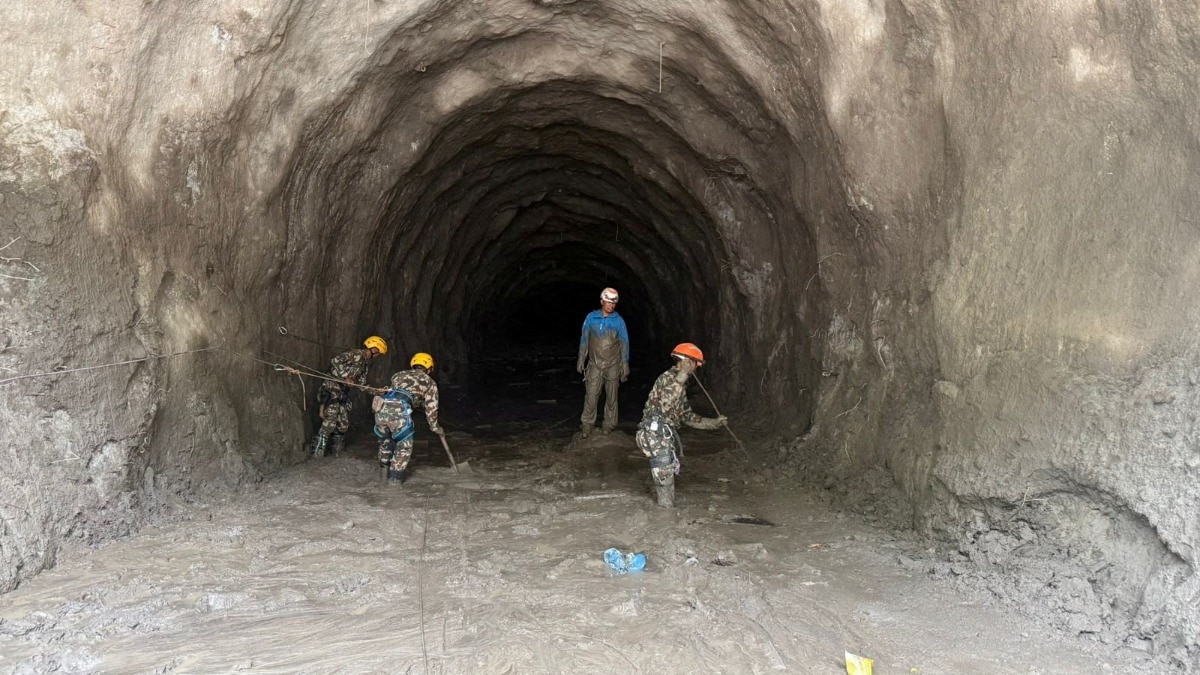
The harrowing rescue operation in Nepal has taken a dramatic and hopeful turn. After days of uncertainty and grueling efforts to penetrate the collapsed tunnel, rescue teams have reported hearing voices emanating from beneath the heavy debris. This development has provided a massive psychological boost to both the responders and the families of the missing workers.
The collapse, triggered by geological instability, had completely buried the tunnel entrance, making traditional rescue methods nearly impossible. Currently, specialized teams are employing high-sensitivity acoustic sensors to pinpoint the exact location of the survivors. The detection of sound suggests that the workers may have managed to find a small air pocket, allowing them to remain conscious and communicative.
Why This Matters
BozokMedia analysis shows that the window for successful survival in such subterranean collapses is extremely narrow. The ability to detect sound at this stage is a critical milestone that shifts the mission from a 'search' operation to a 'targeted rescue' operation, significantly increasing the chances of saving lives before oxygen levels deplete.
The detection of human voices is the single most significant breakthrough in this mission, providing a definitive lifeline for the trapped workers.
Despite the excitement, the situation remains perilous. Geologists have cautioned that the surrounding soil remains highly unstable, and any aggressive excavation could trigger secondary landslides. Rescuers are being forced to balance the urgency of the rescue with the extreme need for structural stability to prevent further loss of life.
Historical Background
Nepal's mountainous terrain, while beautiful, presents immense engineering challenges. The region is prone to seismic activity and landslides, which have historically complicated infrastructure projects. This incident highlights the ongoing struggle to balance rapid development with the inherent geological risks of the Himalayan belt.
Frequently Asked Questions
Q1: What is the current status of the workers?
A: While voices have been heard, their exact physical condition and the stability of their location are still being assessed.
Q2: What technology is being used for the rescue?
A: Rescuers are using advanced acoustic sensors, thermal imaging, and precision drilling equipment to navigate the debris.