Renowned economist Jeffrey Sachs has called for India's immediate departure from the Quad, coinciding with high-level discussions at the Aaj Tak India Today Global Conclave on the rise of a multipolar BRICS order.
- Jeffrey Sachs advocates for India's complete exit from the Quad alliance.
- BRICS is actively challenging global currency hegemony and the US dollar's dominance.
- India is leveraging its unique diplomatic capacity to navigate West Asian and Eastern European conflicts.
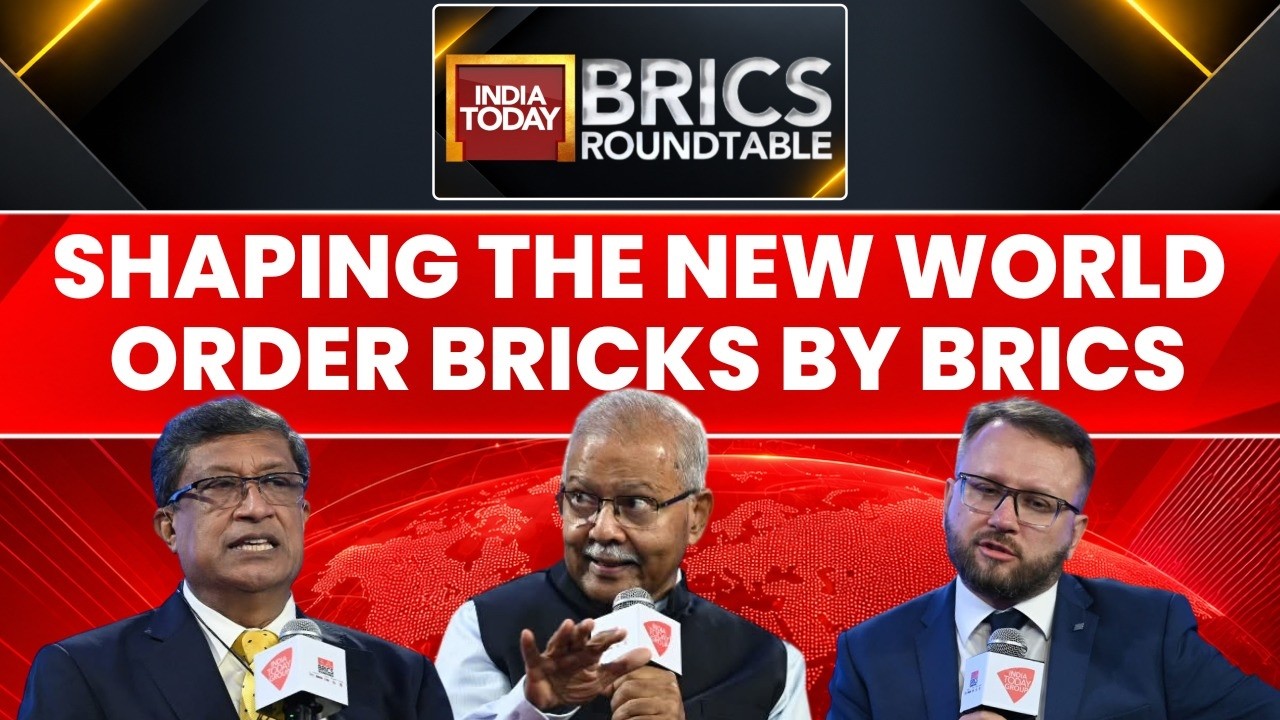
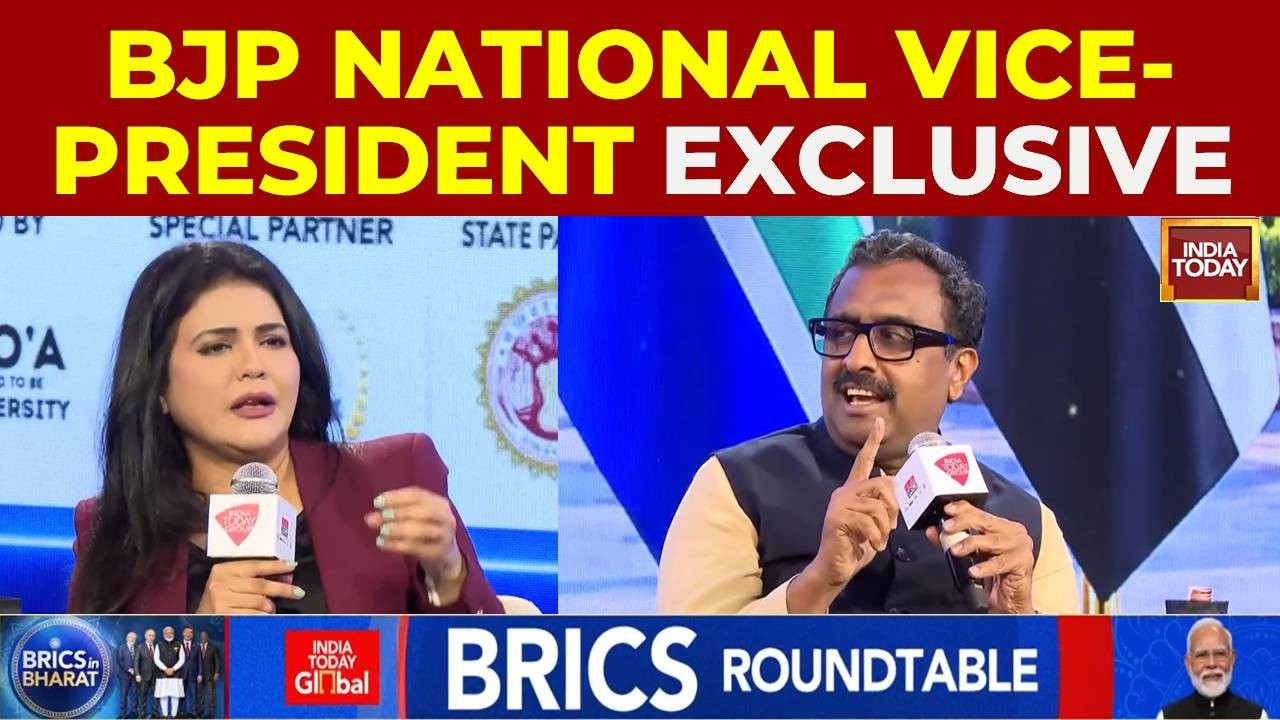
At the prestigious Aaj Tak India Today Global Conclave, a high-level panel examined the shifting tectonic plates of global geopolitics. The primary focus was the expanding 11-member BRICS bloc and its mission to establish a multipolar world order, rejecting the traditional hegemonic structures that have dominated the post-WWII era.
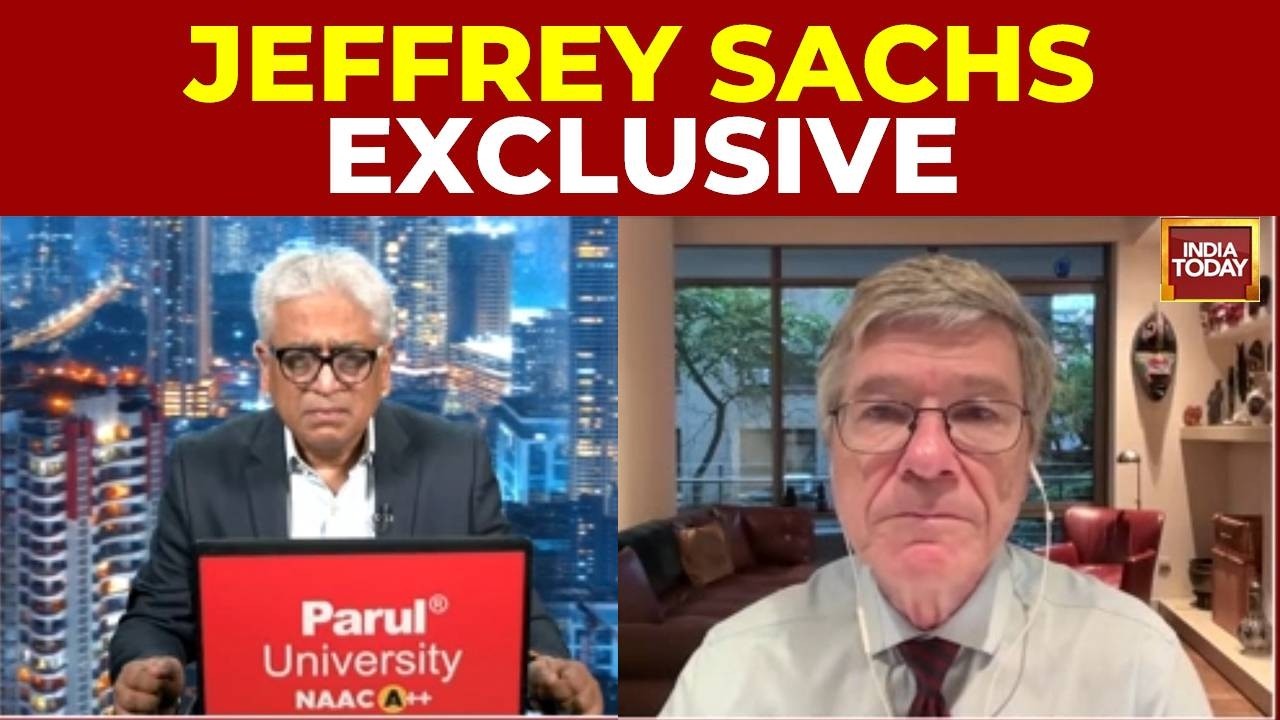
Amidst these discussions, the provocative stance of economist Jeffrey Sachs has sparked intense debate. Sachs explicitly stated that "India should leave the Quad, period," suggesting that the alliance may be counterproductive to India's long-term strategic interests and its relationship with other Asian powers.
Former Rajya Sabha MP Vinay Sahasrabuddhe and diplomat Muktesh Pardeshi highlighted the critical shift toward economic democratization. They pointed toward the increasing trend of bilateral trade conducted in rupees and rubles as a direct challenge to monopolistic currency control, signaling a move toward "de-dollarization."
Why This Matters
BozokMedia analysis shows that India is currently performing a delicate diplomatic balancing act. While BRICS offers a platform to lead the Global South and diversify economic dependencies, the Quad provides a security umbrella in the Indo-Pacific. Sachs' critique suggests that these two trajectories may eventually become mutually exclusive.
"The transition to a multipolar world is not just about politics; it is about the fundamental redistribution of economic power away from a single center."
The panel further emphasized the role of "soft power," focusing on people-to-people connectivity, cultural diplomacy, and the retrieval of stolen cultural artifacts. With member nations representing nearly half of the global population, the digital and creative economies of BRICS are poised to redefine global consumption patterns.
Regarding regional instabilities in West Asia and Eastern Europe, the experts underscored India's rare ability to maintain dialogue with conflicting parties. This capacity for consensus-building, rooted in shared heritage, positions India as a potential mediator in an increasingly fractured world.
Global Alliances: A Comparison
| Feature | BRICS | Quad |
|---|---|---|
| Primary Goal | Economic Cooperation & Multipolarity | Indo-Pacific Security & Stability |
| Perspective | Representation of Global South | Defense of Democratic Values |
| Currency Strategy | De-dollarization | US Dollar-centric System |
Frequently Asked Questions
1. Why does Jeffrey Sachs believe India should leave the Quad?
He argues that the Quad is essentially a containment strategy against China, which could alienate India from critical regional partnerships and increase geopolitical volatility.
2. How is BRICS promoting 'economic democratization'?
By encouraging trade in local currencies and creating alternative financial institutions, BRICS aims to reduce the world's reliance on the US dollar and Western financial sanctions.