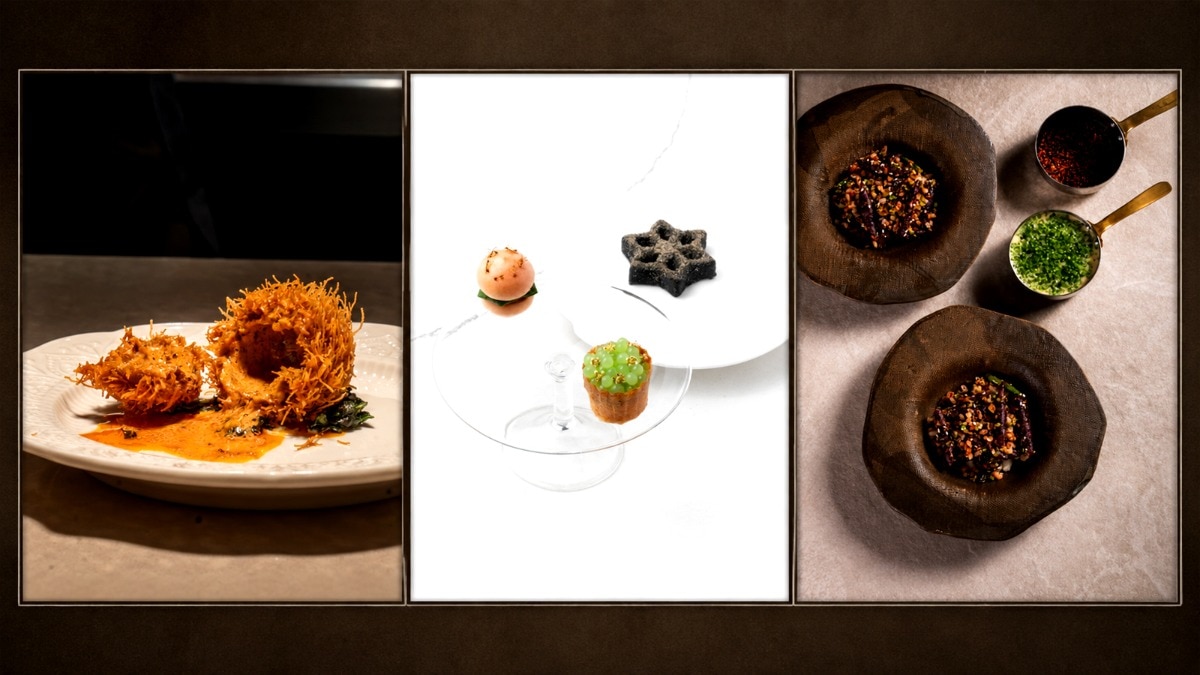
A culinary revolution is unfolding in India as ants transition from traditional tribal staples to high-end gourmet ingredients on luxury tasting menus.
- Ant consumption is moving from remote tribal traditions to elite urban dining.
- Chefs are leveraging the natural acidity of ants to enhance modern dishes.
- This trend aligns with the global movement toward sustainable and alternative protein sources.
India's culinary landscape is witnessing a fascinating transformation. What was once a niche dietary practice among indigenous tribal communities is now making a sophisticated leap into the world of fine dining. Ants, once relegated to local chutneys, are being reimagined as a gourmet delicacy on high-end tasting menus across the country.
For centuries, various tribal groups across India have integrated insects into their diets, viewing them as both a nutritional powerhouse and a unique flavor enhancer. These traditional preparations, often in the form of pungent chutneys, have long been a cornerstone of local food identity.
Why This Matters
BozokMedia analysis shows that this trend is part of a larger global shift toward 'entomophagy' (the practice of eating insects). As the world seeks sustainable protein alternatives to combat climate change, the elevation of insects from 'survival food' to 'luxury food' marks a significant cultural and environmental milestone.
The transition of ants from tribal kitchens to Michelin-style plating represents a bold bridge between ancestral wisdom and modern culinary art.
Modern chefs are specifically drawn to the unique chemical properties of certain ant species. The presence of formic acid provides a natural, bright acidity that can mimic citrus, offering a complex flavor profile that is difficult to replicate with conventional ingredients.
Historical Background
The consumption of insects in India is deeply rooted in history. Many indigenous cultures have viewed insects as a reliable, seasonal, and nutrient-dense resource. This practice was never about scarcity, but rather about a profound understanding of the local ecosystem and its flavors.
Frequently Asked Questions
1. Why are chefs using ants instead of lemon?
Ants provide a complex, earthy acidity due to formic acid, which adds more depth to a dish than simple citrus juice.
2. Is this trend sustainable?
Yes, insect farming requires significantly less water, land, and feed than traditional meat production, making it an eco-friendly choice.