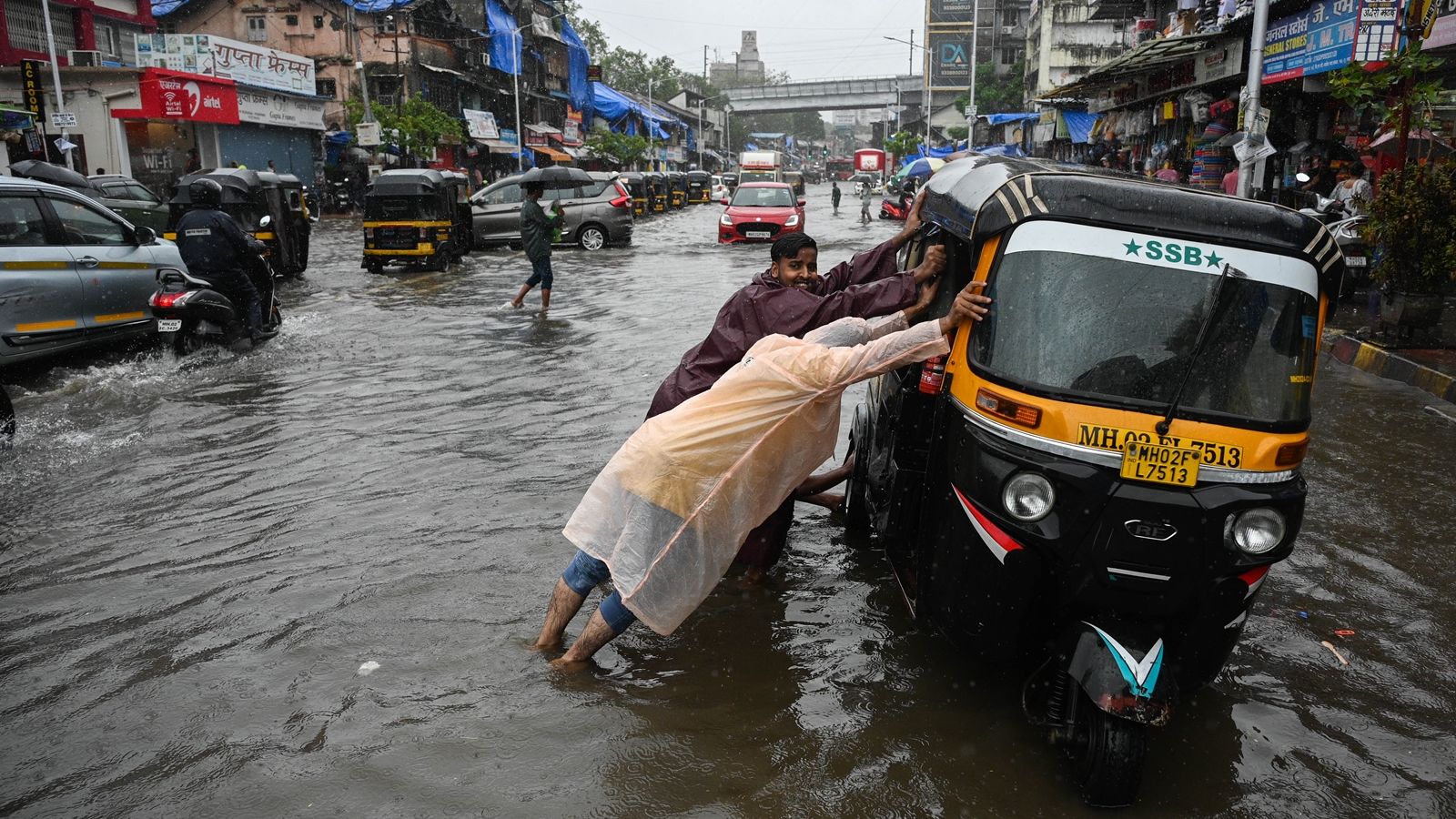
Mumbai and surrounding districts will continue to experience overcast skies and light rainfall through August 21. Meteorologists warn that a strengthening El Niño system may weaken the overall monsoon impact.
- Light rainfall and cloudy skies predicted for Mumbai, Thane, and Raigad until August 21.
- The intensification of the El Niño system is linked to the current slowdown in rain intensity.
- Mumbai's seven lakes have reached 92.16% capacity, securing the city's water supply.
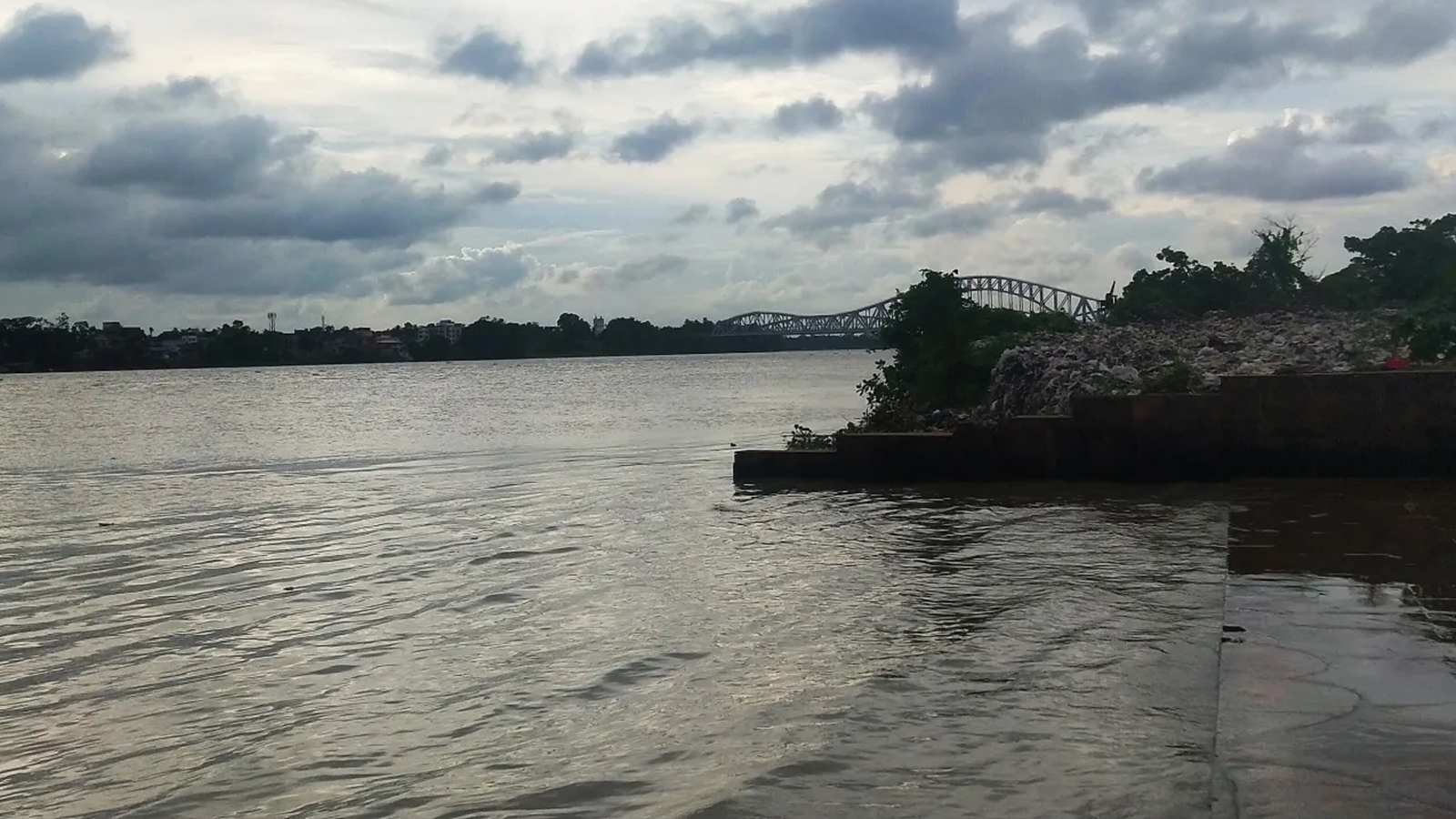
Mumbai and its neighbouring districts have experienced overcast skies and moderate rainfall over the past few days. According to the India Meteorological Department (IMD), this pattern of light rainfall and cloud cover is expected to persist in Mumbai, Thane, and Raigad until August 21.
This noticeable slowdown in rainfall intensity follows the intensification of the El Niño system, which gained strength in July. El Niño is a climate pattern known to weaken monsoon rains across the Indian subcontinent, and it is projected to become even more potent in the coming months.
Why This Matters
BozokMedia analysis shows that while Mumbai experienced an overwhelming surge in July—surpassing its monthly average by 66%—the current August slump is a critical indicator of shifting climatic pressures. The strengthening of El Niño doesn't just affect city streets; it has cascading effects on national agriculture and water security. If the current NOAA projections hold true, we could be witnessing one of the most significant climate disruptions in decades.
"The development of a potentially historic El Niño in the Pacific creates a ripple effect that suppresses the moisture-laden winds essential for the Indian monsoon."
Statistically, August has been underwhelming for the city. The Santacruz station has recorded only 255 mm of rain up to August 17, which is a mere 45 percent of the monthly average of 560.8 mm. However, the cumulative rainfall from June to mid-August stands at 2,160.8 mm, accounting for 90 percent of the city's total seasonal quota of 2,390.5 mm.
Despite the current lull, the city's water security remains robust. The total stock in the seven lakes that supply potable water to Mumbai reached 13.33 lakh million litres on Monday, filling 92.16 percent of their total capacity, largely thanks to the torrential rains of July.
| Station/Period | Rainfall Recorded (mm) | Average Comparison |
|---|---|---|
| Santacruz (August) | 255 mm | 45% (Below Avg) |
| July Total | 1,491.9 mm | 166% (Above Avg) |
| Seasonal Total | 2,160.8 mm | 90% (Near Target) |
Frequently Asked Questions
1. How does El Niño affect the weather in Mumbai?
El Niño typically leads to a reduction in the volume and frequency of monsoon rains by altering Pacific Ocean temperatures and global wind patterns.
2. Is the city at risk of water shortage?
No, with the seven lakes currently at over 92% capacity, the city has a sufficient buffer for the upcoming year.