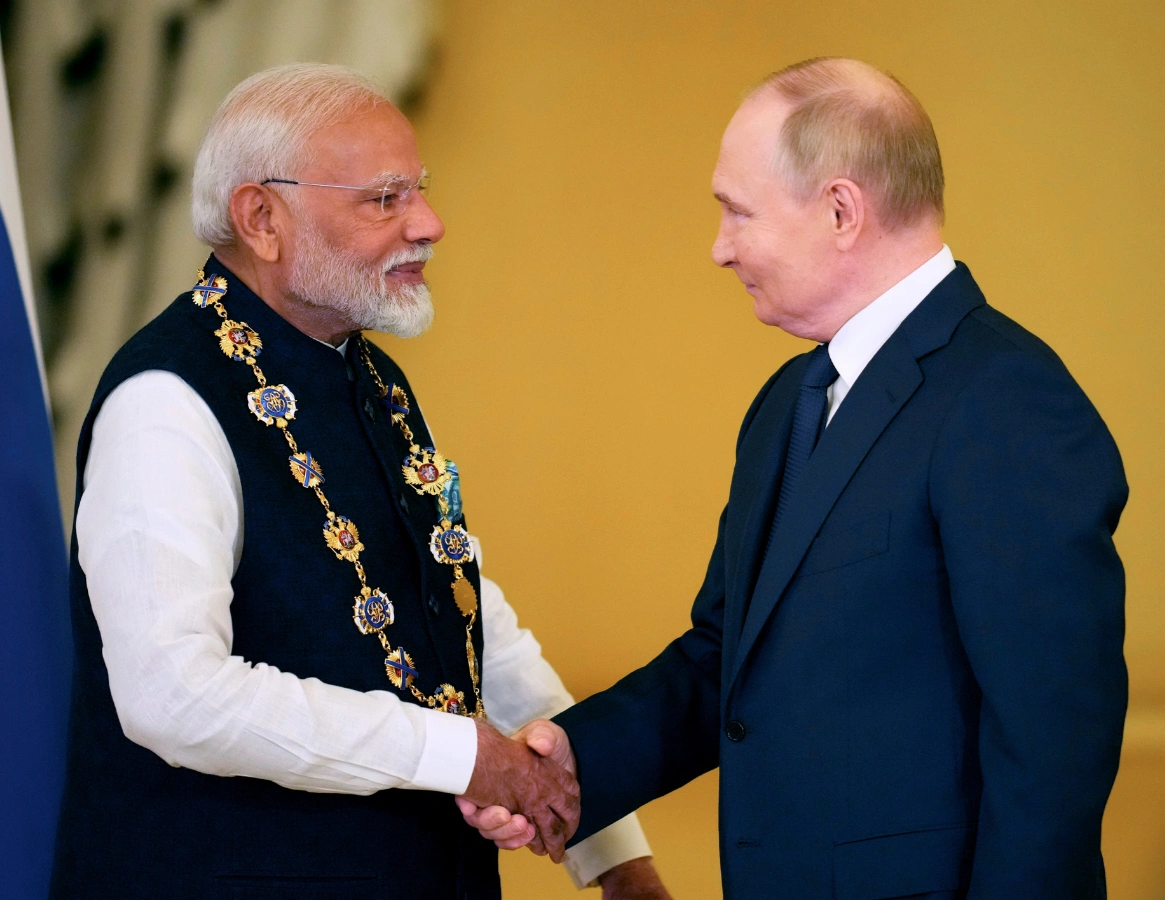
On the sidelines of the 26th SCO Summit in Bishkek, PM Modi and President Putin will meet to strengthen strategic ties, focusing on defense deliveries and energy stability.
- Agreement to accelerate the delivery of remaining S-400 'Triumph' missile regiments.
- Russia assures uninterrupted supply of crude oil and fertilizers to India.
- Discussions on strengthening Rupee-Ruble payment systems and UPI-MIR integration.
- Focus on reducing trade imbalance by expanding Indian IT and Pharma exports to Russia.
In the capital of Kyrgyzstan, Bishkek, Prime Minister Narendra Modi and Russian President Vladimir Putin are set to hold a high-stakes bilateral meeting. This engagement takes place on the sidelines of the 26th Shanghai Cooperation Organization (SCO) Summit, serving as a critical milestone in reinforcing the strategic partnership between New Delhi and Moscow amidst severe Western sanctions and heightened global geopolitical tensions.
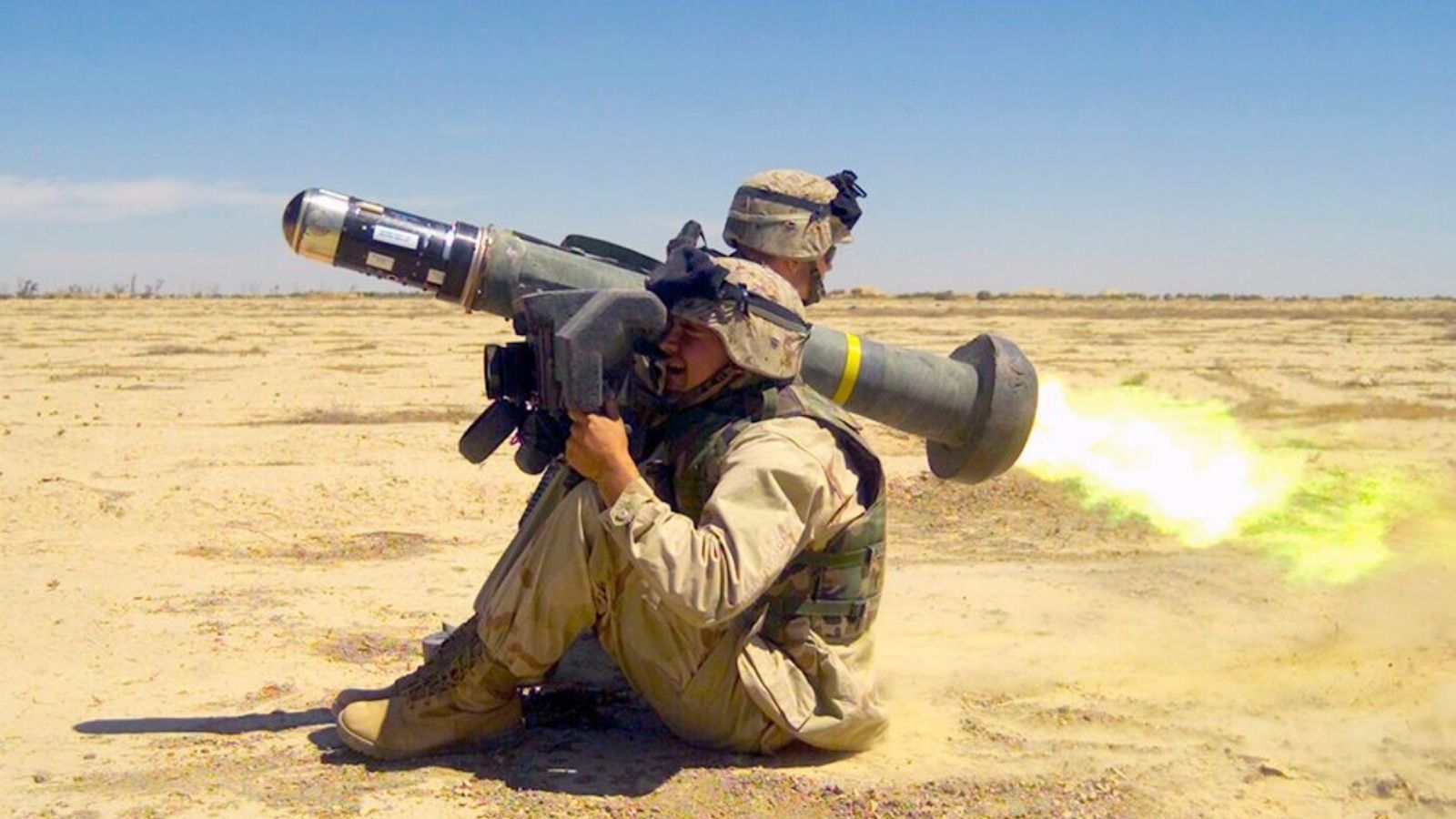
The high-level discussions will primarily focus on India's national security and energy requirements. A pivotal point of the agenda is the expedited delivery of the remaining regiments of the S-400 'Triumph' air defense missile system. While global supply chain disruptions had previously delayed the handover, both leaders have agreed to accelerate the process given the current border security imperatives. Furthermore, the leaders will deliberate on the supply of critical spare parts and joint production ventures in the defense sector.
Why This Matters
BozokMedia analysis shows that this meeting underscores India's commitment to 'Strategic Autonomy.' By maintaining a robust relationship with Russia while simultaneously engaging with the West, India is positioning itself as a pivotal swing power in the new multipolar world order, ensuring its energy and security needs are met without external dictation.
"The Modi-Putin dialogue is a masterclass in pragmatic diplomacy, balancing historical alliances with contemporary global pressures to secure national interests."
In the energy domain, Russia has provided assurances for the seamless and continuous supply of crude oil and essential fertilizers for Indian farmers. Despite volatility in global oil markets, India aims to secure fuel at concessional rates through long-term agreements to shield its economy from price shocks.
To bypass Western banking restrictions, the two nations will explore strengthening a direct payment mechanism based on the Indian Rupee and Russian Ruble. A key technical discussion will involve the integration of India's UPI with Russia's MIR payment system. Currently, the trade balance is heavily skewed toward Russia due to massive oil imports; consequently, PM Modi has urged Moscow to open its markets wider for Indian pharmaceuticals, Information Technology (IT) services, and agricultural products.
Frequently Asked Questions
Q1: Why was the S-400 delivery delayed?
A: The delays were primarily caused by disruptions in the global supply chain and geopolitical complexities.
Q2: How does India plan to fix the trade imbalance with Russia?
A: By diversifying exports to include IT services, pharmaceutical drugs, and agricultural goods to balance the heavy import of Russian oil.