Following a recent tragedy, the Delhi government is drafting a policy to mandate structural audits and safety certifications for aging buildings used for public activities.
- Delhi government is drafting a policy for mandatory structural audits.
- Safety certification will be required for buildings hosting public activities.
- MCD confirmed the recently collapsed building was not classified as 'dangerous'.
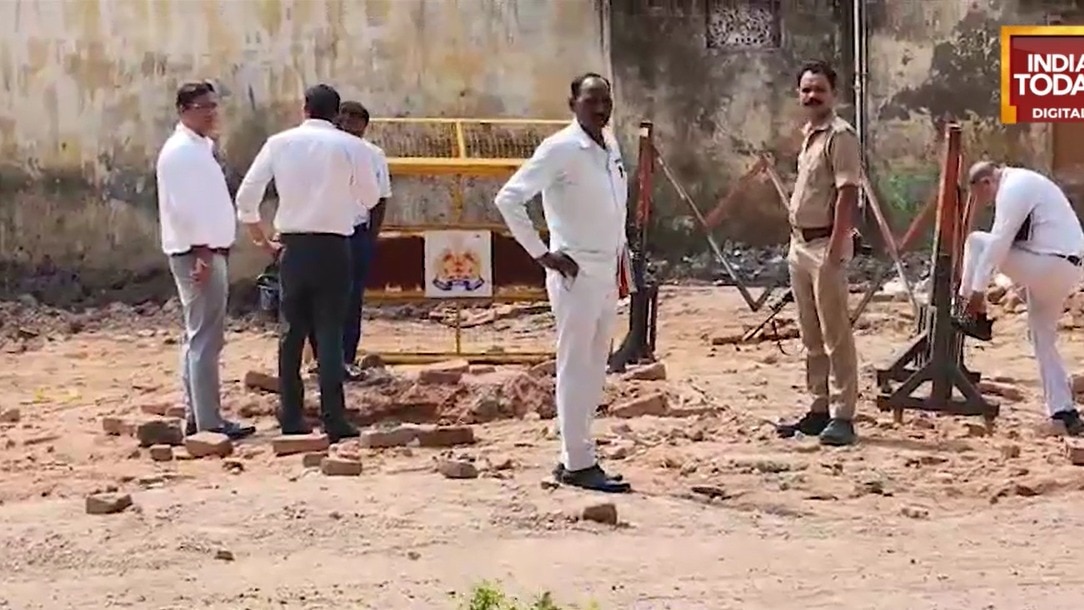
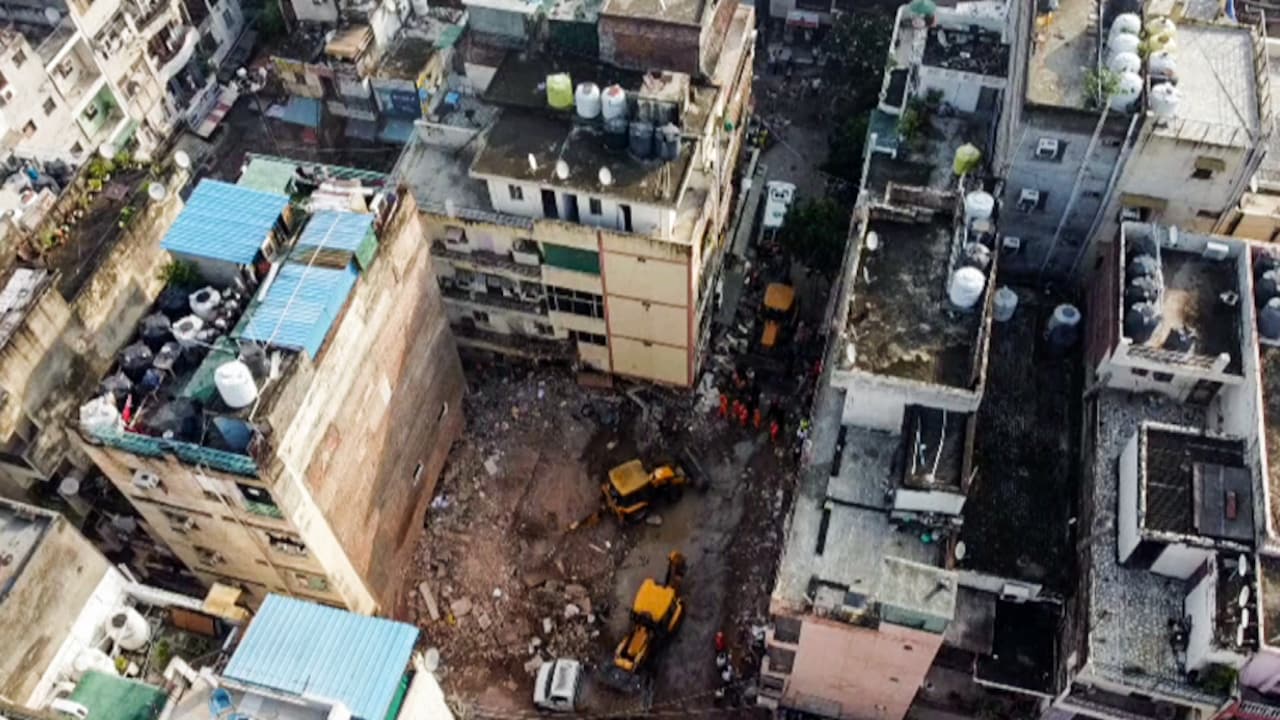
In the wake of a recent tragic building collapse in the national capital, the Delhi government is moving swiftly to bolster urban safety standards. The administration is currently drafting a comprehensive policy that would make structural audits and safety certifications mandatory for older buildings, particularly those utilized for public activities and commercial purposes.
The proposed regulation aims to address the growing concern over the stability of aging infrastructure in Delhi's densely populated zones. As buildings age, their structural integrity diminishes due to wear, tear, and environmental factors, often leading to catastrophic failures without prior warning.
Why This Matters
The urgency of this move is highlighted by the fact that the building involved in the recent tragedy was not officially classified as 'dangerous' by the Municipal Corporation of Delhi (MCD). This discrepancy raises significant questions about the effectiveness of current monitoring systems.
BozokMedia analysis shows that many residential and commercial hubs in Delhi operate within structures that have long surpassed their intended lifespan. Without a standardized, mandatory auditing process, the city remains vulnerable to preventable disasters.
Mandatory structural audits must transition from a reactive measure to a proactive urban safety standard to prevent future loss of life.
Historical Background
Delhi has witnessed a recurring pattern of building collapses, especially in congested areas like Old Delhi and parts of South Delhi. Factors such as unauthorized construction, illegal floor additions, and poor maintenance have historically contributed to the instability of many urban structures.
Global Implications
This move aligns Delhi with global urban safety protocols seen in cities like London and New York, where periodic structural integrity checks are a cornerstone of municipal governance and public safety management.
Frequently Asked Questions
1. Who will be responsible for conducting these audits?
The audits must be conducted by government-approved structural engineers and certified professionals.
2. Will commercial buildings face stricter rules?
Yes, the policy specifically targets buildings used for public activities to ensure higher safety compliance.