Allegations of an unauthorized donation network have surfaced at the Maa Baglamukhi Temple in Madhya Pradesh. A three‑member probe committee has been formed to investigate the fraud, while the Congress party has seized the opportunity to criticize the BJP government.
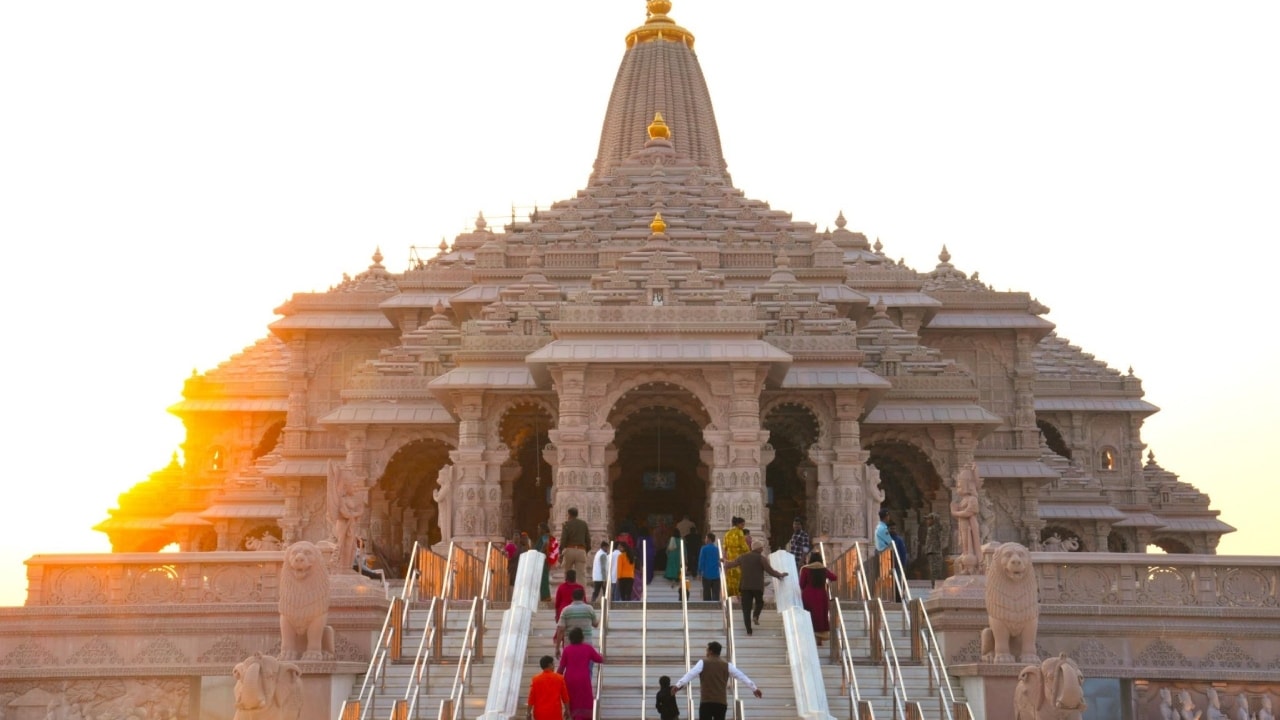
A scandal involving illicit donations at the revered Maa Baglamukhi Temple in Nalkheda, Agar Malwa district, has ignited a political firestorm in Madhya Pradesh. While the temple is officially overseen by a government‑appointed committee, local sources allege that a parallel ‘unauthorised committee’ was collecting cash and valuable jewellery, issuing counterfeit receipts to mask the proceeds.
Background and Historical Context
The shrine, a focal point of devotion for centuries, has repeatedly faced scrutiny over the transparency of its donation handling. The recent uproar follows the high‑profile Ram Temple donation scandal in Ayodhya, prompting state governments across India to consider digital donation mechanisms and stricter audits for religious institutions.
Probe Committee Composition and Mandate
On July 7, 2026, District Collector Preeti Yadav constituted a three‑member investigative team headed by Zila Panchayat CEO B. S. Solanki. The panel is tasked with tracing the amount of cash and jewellery collected by the unauthorised group, examining the private bank accounts used, and determining whether any temple official was complicit.
Key Investigation Questions
Investigators will verify if temple staff or administrators facilitated the illicit scheme, assess the scale of the counterfeit receipts, and estimate the total financial loss. Officials suspect a well‑organized racket, noting that the ability to print receipts and collect jewellery points to a sophisticated operation.
Political Reactions
State Culture Minister (independent charge) Dharmendra Singh Lodhi condemned the act, stating, “Anyone printing temple receipts without authority is committing a crime, and they will face the sternest action.” He announced that all state‑run temples will undergo quarterly audits and that a digital donation system will soon be rolled out to ensure transparency.
Opposition’s Critique
Congress MLA and opposition leader Umang Singhar seized the moment to lambaste the BJP, arguing that “the BJP talks about protecting Hindus but fails to safeguard their temples.” He warned that if such irregularities continue, even the revered Mahakaleshwar Temple in Ujjain could become a target, citing earlier disappearances of cash and jewellery from the Raja Ram Sarkar Temple in Orchha.
As the probe report is expected within a week, the political stakes are high. Chief Minister Mohan Yadav’s response—or lack thereof—will be measured against the backdrop of previous cases that were allegedly buried. The outcome could either reinforce the BJP’s narrative of administrative competence or fuel further opposition attacks on the party’s handling of religious affairs.
Future Implications
If the investigation confirms a large‑scale fraud network, it will compel a reassessment of financial governance across state‑run temples. The push for digital donations, regular audits, and stricter accountability could become permanent fixtures, lest similar scandals recur. The case also serves as a litmus test for the BJP’s ability to protect cultural heritage while maintaining political credibility.