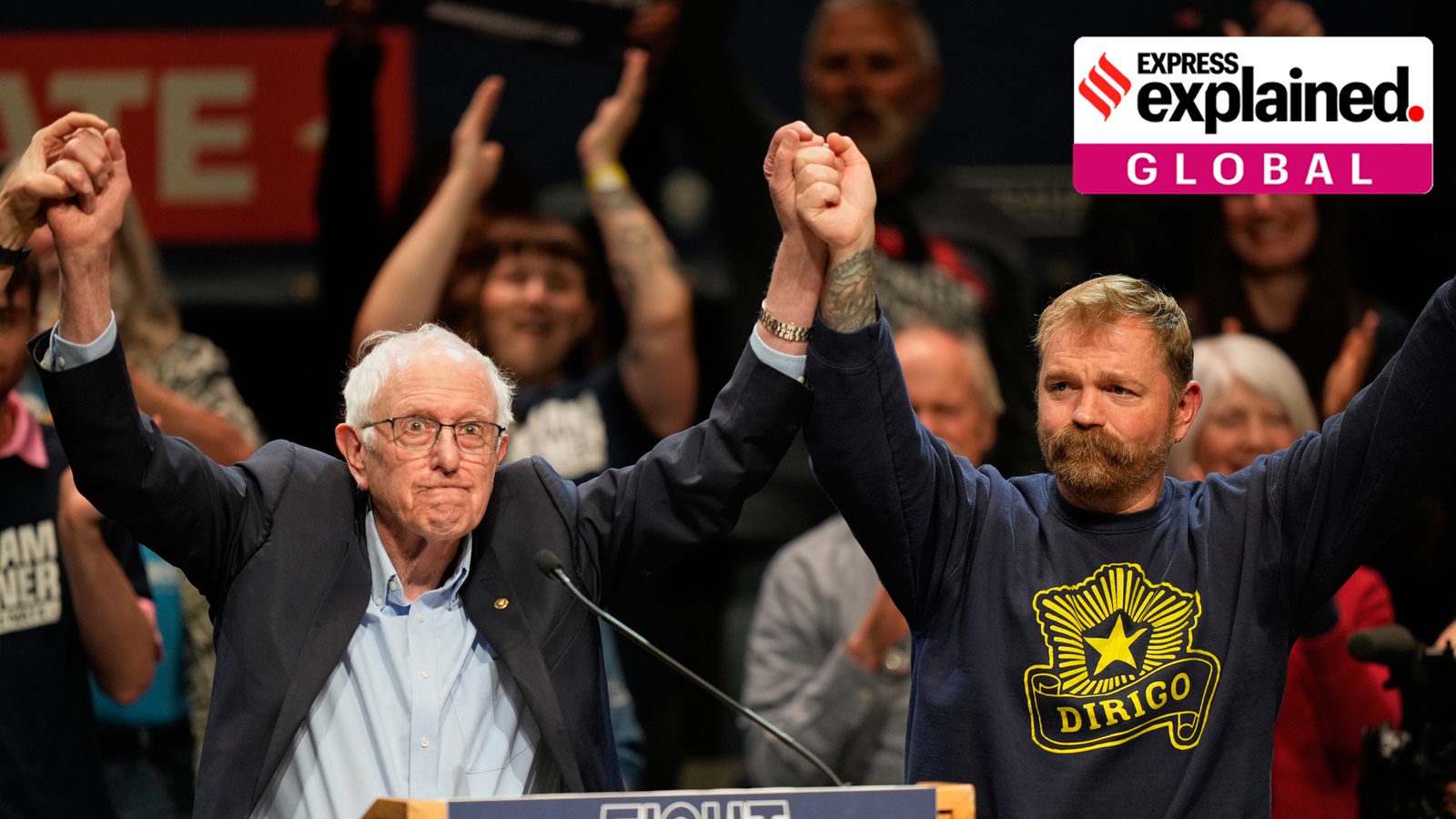
Graham Platner’s Maine Senate campaign ended amid sexual assault allegations, reshaping the state’s political landscape and influencing the broader strategy for the upcoming midterm elections. The fallout underscores how personal controversies can reverberate across national politics.
Graham Platner, the Democratic nominee for Maine’s U.S. Senate seat, withdrew from the race on July 8 after a 2021 sexual assault claim surfaced. The decision sent shockwaves through the state’s political arena and forced the Democratic Party to reassess its midterm strategy.
Rapid Rise to Prominence
Platner launched his campaign in August 2025, leveraging his military service and working‑class roots to critique what he called the “political oligarchy.” He positioned himself as a challenger to long‑time Republican Senator Susan Collins, and by June 9, he had secured a decisive victory in the Democratic primary, buoyed by endorsements from figures such as Senator Bernie Sanders and Elizabeth Warren.
Compounded Controversies
Before the assault allegation, Platner faced a series of controversies: a Nazi‑era‑style tattoo he later covered, and a 2023 revelation that his wife, Amy Gertner, had received explicit texts from him. These were publicized by the Wall Street Journal on May 30, followed by a New York Times piece on June 4 detailing disturbing behavior reported by former girlfriends. The cumulative effect eroded party support and intensified calls for his withdrawal.
Impact on Maine’s Electoral Landscape
Maine’s election rules required Platner to drop out by July 13, giving the state Democratic Party time to nominate a replacement before the July 27 deadline. The state, historically Democratic‑leaning yet governed by a Republican governor, presents a pivotal battleground for the national race. A successful campaign here could help Democrats close the 4‑seat gap needed for a Senate majority.
National Implications
With Democrats holding 47 seats to Republicans’ 53, a Maine victory could bring the Senate to a 51‑seat majority, enabling the party to block presidential nominees and wield its investigative powers. However, it would still fall short of the 60 votes required to pass most legislation. Platner’s exit has thus reignited discussions about candidate vetting, the role of personal conduct in electoral politics, and the strategic calculus for the 2026 midterms.