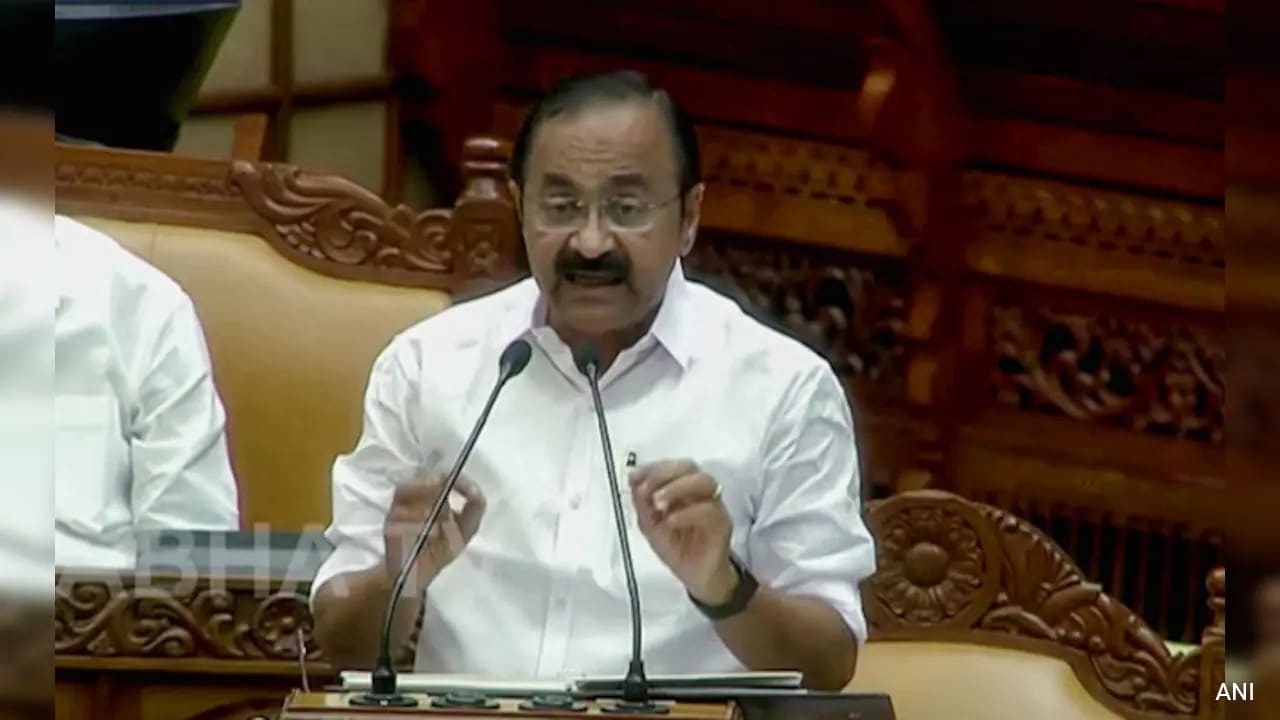
Chief Minister D.K. Shivakumar declared that the state will allocate ₹1 crore to each assembly constituency to fast‑track drinking water supply works, separate from the personal deposit accounts of Deputy Commissioners. The funds target rural water scarcity first, with urban needs to follow later.
On Thursday, July 9, 2026, Karnataka Chief Minister D.K. Shivakumar announced a bold financial move: the state will release ₹1 crore for every assembly constituency to immediately launch drinking‑water supply projects. This allocation is distinct from the personal deposit accounts held by Deputy Commissioners in each district and is earmarked primarily for rural areas.
Severe Drought Conditions Across the State
Except for a few districts in Kittur, most of Karnataka is grappling with drought‑like conditions that have strained both agricultural output and domestic water availability. "Among all drought‑relief measures, drinking‑water supply is the top priority," the CM emphasized, pledging that no city or village will suffer from water scarcity.
Coordination with the Forest Department
Several MLAs reported that forest officials in roughly 40 locations had objected to laying pipelines through forest zones. Shivakumar directed the Forest Department to refrain from interfering with underground pipeline installations and to expedite clearances for water supply to schools and other critical installations. He also assured that forest‑dwelling communities would not be displaced and that applications for regularising unauthorised cultivation would be considered.
Enhanced Transparency in Temple Endowments
Referencing the Ayodhya Sri Ram Temple fund embezzlement case as a cautionary tale, the CM announced the installation of CCTV cameras at all strategic points within temples overseen by the Endowment Department. Live feeds will be routed to the Police Department and the Deputy Commissioner’s office for continuous monitoring.
Future‑Oriented Measures: Cloud‑Seeding and River Linking
Some legislators have advocated for cloud‑seeding in drought‑hit zones; the government will deliberate with experts before reaching a decision. Moreover, Karnataka, Andhra Pradesh, and Telangana have jointly agreed to a historic river‑linking project that will connect the Krishna, Cauvery, and Godavari rivers—a proposal already communicated to the Union government.
Collectively, these initiatives signal Karnataka’s intent to tackle water scarcity through financial commitment, inter‑departmental coordination, and long‑term infrastructure planning.