Karnataka Chief Minister D.K. Shivakumar said the state will study Maharashtra’s Mumbai resolutions on the border dispute and formulate a legally vetted reply. He emphasized that Karnataka will not compromise on land, water or dignity.
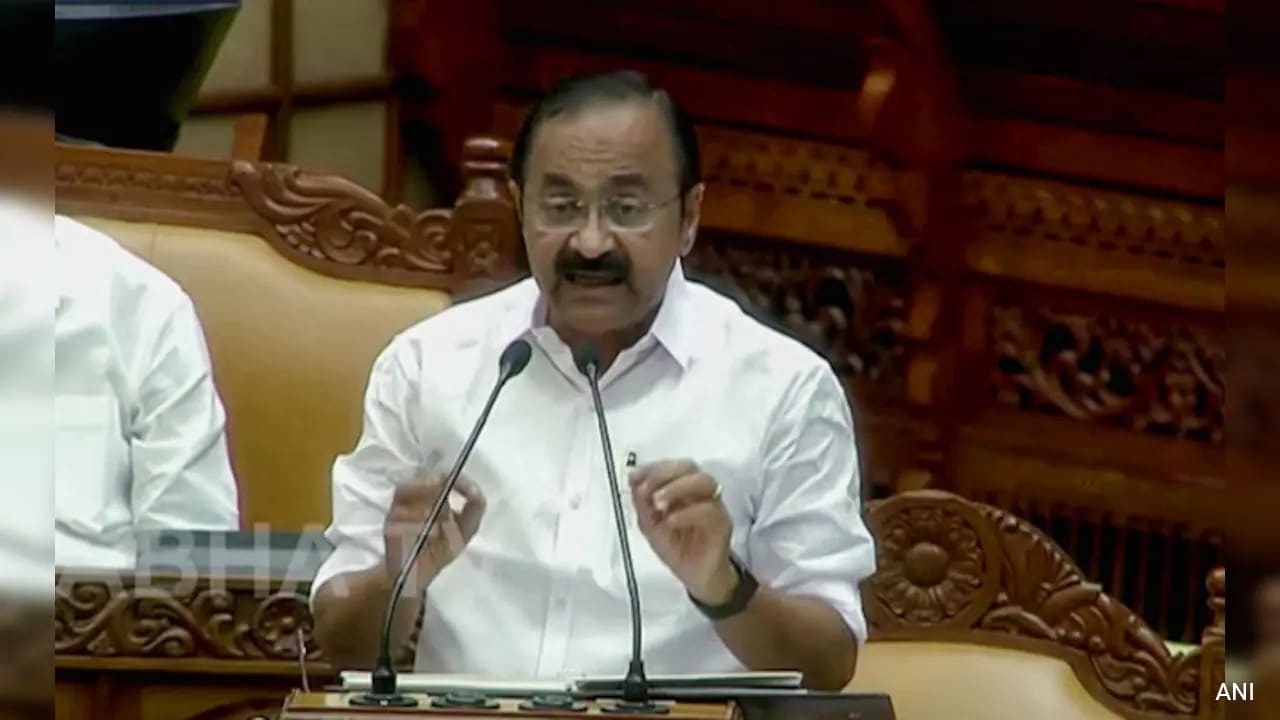
Belagavi, July 9, 2026 – Karnataka Chief Minister D.K. Shivakumar addressed reporters at Suvarna Soudha, stating that the state will conduct a thorough analysis of the resolutions passed by Maharashtra’s all‑party meeting in Mumbai and prepare a considered response with the help of legal experts. He assured that Karnataka’s interests in territory, rivers and self‑respect will not be compromised.
Background: The long‑standing Belagavi dispute
The border conflict between Karnataka and Maharashtra over the Belagavi (formerly Belgaum) region dates back to the reorganisation of states in 1960. While Maharashtra claims linguistic and cultural ties, Karnataka argues historical and administrative continuity. The issue has seen multiple litigations, including a 2013 Supreme Court hearing, yet a definitive verdict remains pending.
Maharashtra’s recent move: Mumbai consensus
Earlier this month, Maharashtra convened an all‑party meeting in Mumbai, where leaders adopted a resolution to integrate Belagavi into Maharashtra. The decision was communicated to Karnataka, prompting immediate diplomatic outreach. Shivakumar disclosed preliminary talks with Minister M.B. Patil and former minister H.K. Patil to gauge the political ramifications.
Karnataka’s response strategy
According to Shivakumar, senior officers have been instructed to scrutinise the Mumbai resolutions in detail. The analysis will involve legal counsel, the state’s land‑survey department and archival records to verify any factual inaccuracies. The chief minister stressed that any response will safeguard Karnataka’s territorial integrity, water resources and regional pride.
Political and social ramifications
The dispute transcends regional politics, influencing national narratives. Several national parties have leveraged the issue to rally regional support, while local communities in the contested area have staged protests, heightening communal sensitivities. A mishandled reply could exacerbate tensions and affect inter‑state cooperation on infrastructure and water sharing.
Path forward: Judicial and diplomatic avenues
Shivakumar affirmed that Karnataka will pursue all legal remedies, including filing a fresh petition before the Supreme Court, while simultaneously seeking mediation from the Centre. He reiterated that the state will not yield to any unilateral decision that undermines its sovereign interests.
In essence, Karnataka’s administration has signalled a firm, legally grounded stance, indicating that any Maharashtra proclamation will be met with a measured, well‑researched rebuttal.