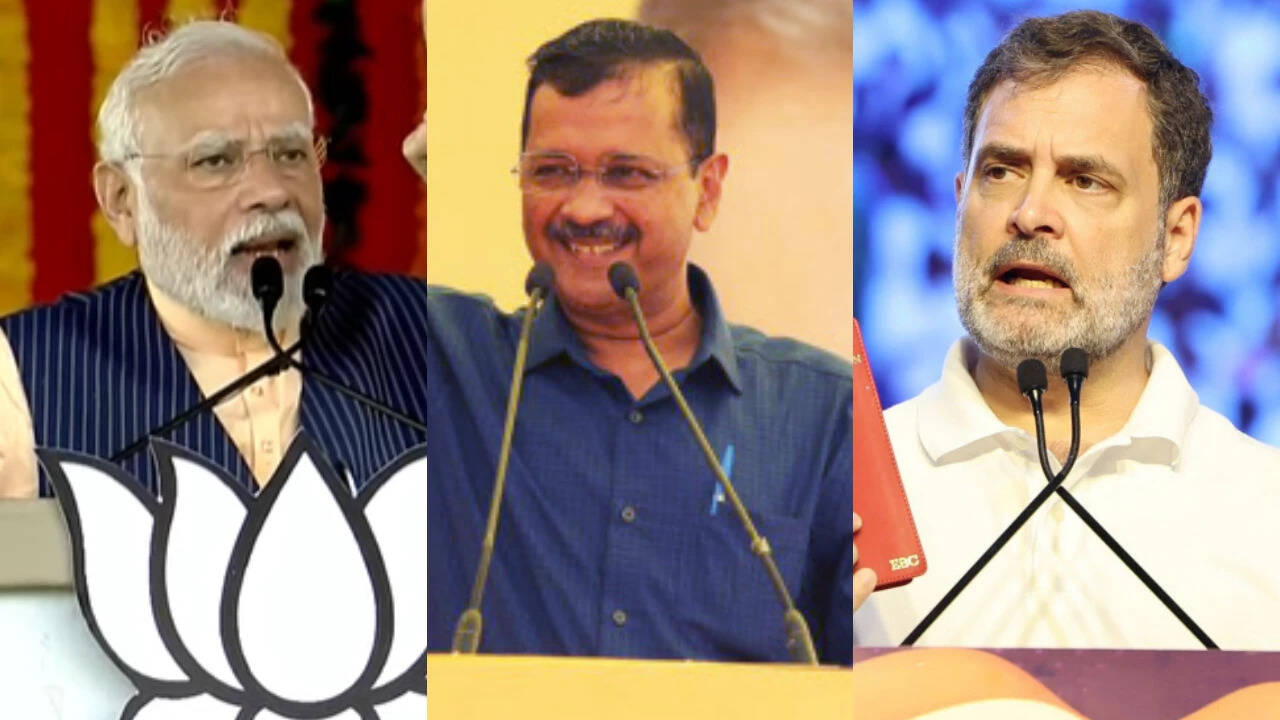
As the 2027 Punjab Assembly polls approach, the Aam Aadmi Party (AAP) faces a complex battle beyond seat counts. This article dissects the evolving strategies of Congress, Shiromani Akali Dal and BJP to determine who can truly challenge the incumbent government.
In a state where politics often mirrors the nation’s larger power play, the 2027 Punjab Assembly elections pose a critical question: which party will emerge as the principal challenger to Arvind Kejriwal’s AAP? While the Congress appears strongest on paper, the real contest hinges on internal dynamics, leadership disputes, and the BJP’s aggressive resurgence.
Current Party Landscape
Congress currently holds 18 seats, making it the nominal opposition leader, followed by the Shiromani Akali Dal (SAD) and the Bharatiya Janata Party (BJP). Yet, raw numbers only tell part of the story. The ability of each party to mobilise cadres, manage internal dissent, and project a coherent narrative will be decisive.
BJP’s High‑Octane Campaign
Despite a modest foothold in Punjab, the BJP has launched its most intensive outreach to date. Prime Minister Narendra Modi, Home Minister Amit Shah, party president Nitin Nabin, and Haryana Chief Minister Nayab Singh Saini have all visited the state, signalling a "all‑out" approach. A forthcoming Prime Ministerial visit promises mega‑infrastructure announcements, reinforcing the party’s promise of a "double‑engine" development model that merges central funding with state‑level progress.
Congress: Numbers vs. Internal Turmoil
Following its modest revival in the 2024 Lok Sabha elections, Congress should theoretically dominate the opposition space. However, a leadership tussle between state president Amrinder Singh Raja Warring and campaign chief Charanjit Singh Channi has exposed deep fissures. High‑profile leaders such as Channi and Sukhjinder Singh Randhawa have missed key party meetings, providing the BJP with ample ammunition to portray Congress as fragmented.
AAP’s Record‑Keeping Challenge
Incumbent AAP now carries the burden of defending its governance record on water, electricity, health, and education. While the party enjoys a robust grassroots network, any perceived policy failures could tilt undecided voters toward a united opposition. Simultaneously, SAD’s attempts at revival and Congress’s internal discord add layers of complexity to AAP’s re‑election calculus.
Strategic Outlook
The upcoming contest will first decide which opposition banner will lead the charge against AAP, and then which coalition will ultimately form the state government. Should Congress resolve its leadership crisis, it could consolidate the anti‑AAP vote. Conversely, a continued split may hand BJP’s "defection" and "double‑engine" strategy a decisive edge. SAD’s resurgence could further fragment the anti‑AAP bloc, making the election a multi‑front battle with national repercussions.