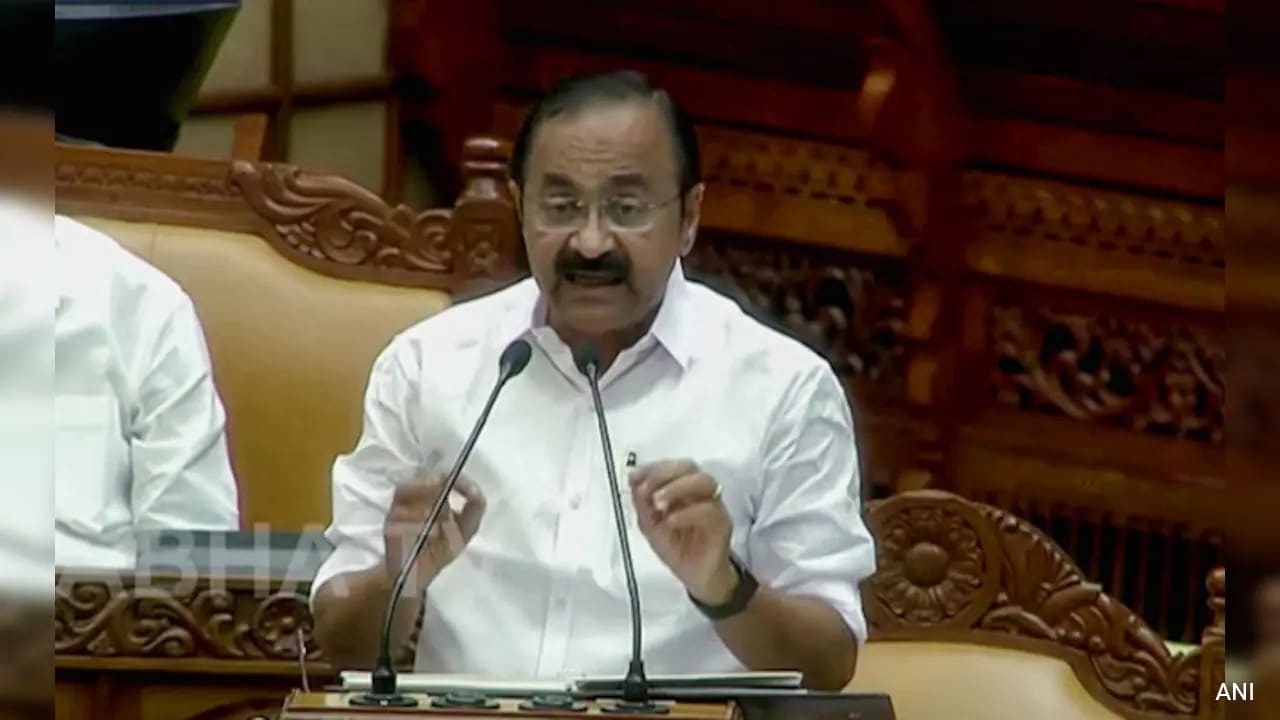
Maharashtra Chief Minister Devendra Fadnavis said the AAIB has already received the preliminary report and extracted digital evidence from the black box. The final report is expected by January 2027, after which the government will decide on further steps.
Key Takeaways
- AAIB's final report expected in January 2027
- Preliminary report already includes black‑box digital evidence
- Government will act only after the final findings are released
On Friday, July 10, 2026, Maharashtra Chief Minister Devendra Fadnavis told the state assembly that the Aircraft Accident Investigation Bureau (AAIB) will submit its final report on the crash that killed Deputy Chief Minister Ajit Pawar by January next year. Pawar, who was serving as deputy chief minister, perished along with four others when their Learjet 45 went down near Baramati airport on January 28, during a second landing attempt.
Background of the Crash
The accident triggered an immediate AAIB probe. The Learjet 45, a popular private jet, was carrying Deputy CM Ajit Pawar, two cockpit crew members, a personal security officer, and an attendant – five people in total. Investigators have reconstructed the flight path, retrieved data from the aircraft’s black box, and examined radar and communication logs to determine the cause.
Progress of the AAIB Investigation
Fadnavis confirmed that the preliminary report has already been received and that investigators have successfully reconstructed and extracted digital evidence, including data from the black box. He emphasized that aircraft accident investigations are scientific processes that can span several years. So far, the review of financial records – bank accounts, insurance policies, and share‑market transactions – has not revealed any suspicious activity.
Political Reactions and Demands
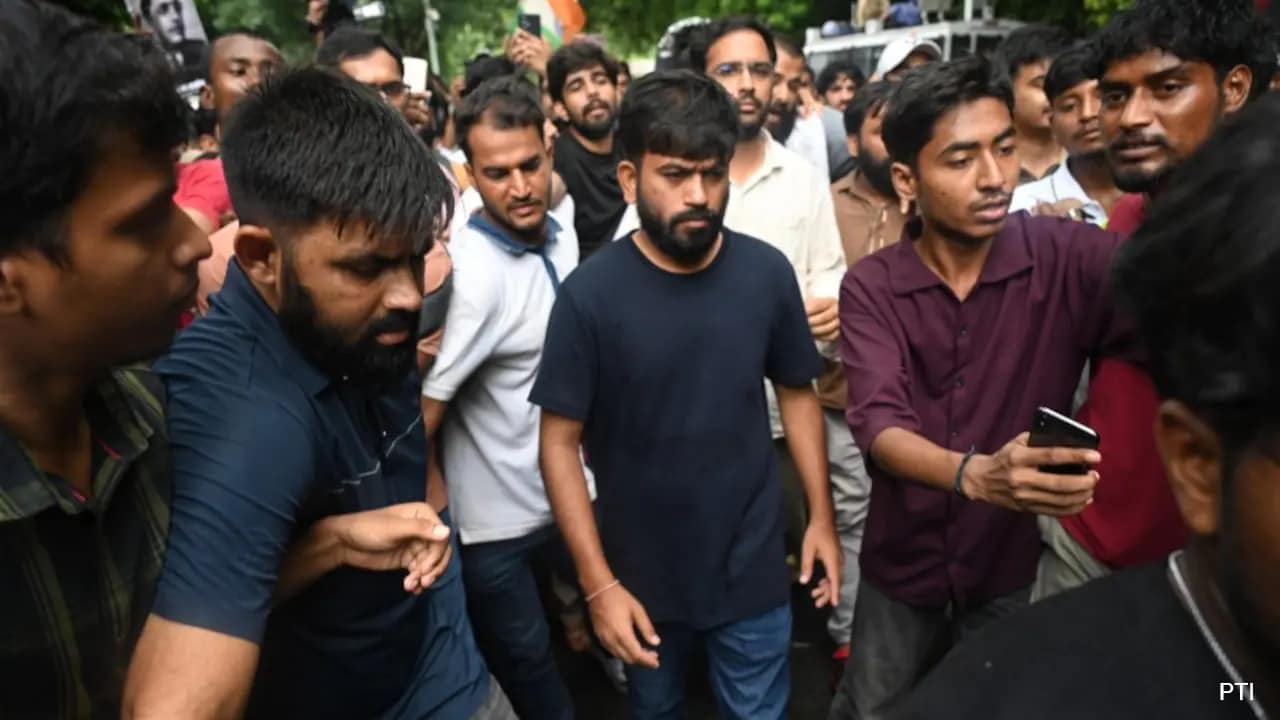
The opposition, especially the Nationalist Congress Party (SP) MLA Rohit Pawar, has pressed for a multi‑agency probe, alleging irregularities and demanding transparency. Fadnavis stressed that the state government will wait for the AAIB’s final findings before taking any decisive action, underscoring the need for an independent and evidence‑based approach.
Future Implications
If the final report attributes the crash to technical failure or pilot error, it could prompt stricter safety protocols for private aviation in India. Conversely, any indication of procedural lapses or security oversights would compel Maharashtra to reassess its aviation oversight mechanisms. In either scenario, the AAIB’s conclusions will carry weight not only for the Pawar family but also for the broader Indian aviation sector.