During Pune's Special Intensive Revision (SIR) of electoral rolls, mismatched document lists in Marathi and English have left voters uncertain about required proofs. Officials and activists alike are calling for a unified list to avoid disenfranchisement.
Key Takeaways
- Discrepancies between Marathi and English document lists are causing voter registration delays.
- Ration cards and bank passbooks are not part of the Election Commission’s prescribed documents.
- The Deputy Collector notes that additional documents may be accepted if they clearly verify citizenship and age.
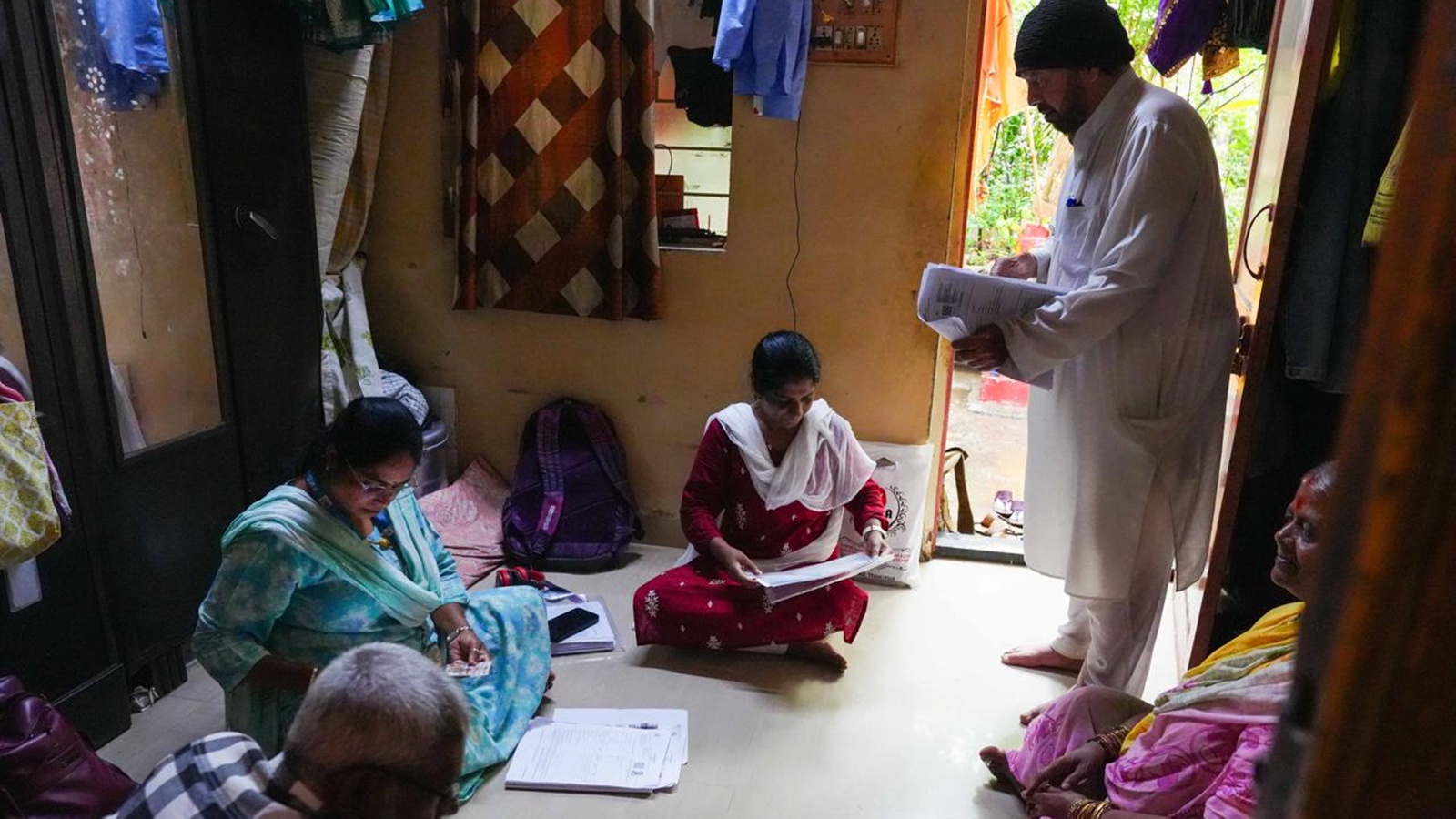
Pune’s Special Intensive Revision (SIR) of the electoral roll is accelerating ahead of the 2026 municipal elections, but two divergent document checklists—one in Marathi and another in English—are creating real‑world confusion for voters. The mismatch not only hampers ordinary citizens from completing their enumeration forms, it also adds to the workload of Block Level Officers (BLOs) tasked with verifying each entry.
Root of the Confusion
The Chief Electoral Officer of Maharashtra released an English‑language list that includes items such as a ration card and a bank passbook. In contrast, the Marathi list—considered the accurate version by many—omits these items and aligns with the Election Commission of India’s (ECI) official guidelines. Activist Sughosh Joshi warned, “The English list contains incorrect documents; the Marathi version matches the real ECI instructions. This discrepancy is critical now that BLO visits have already begun.”
Administrative Clarification
Deputy Collector Minal Kalaskar responded that the published list is “for reference only” and that “additional documents that help prove a voter’s citizenship and age may also be accepted.” She explained that while a ration card can demonstrate family relationships, it does not indicate age and therefore cannot serve as a sole proof of eligibility. Conversely, a bank passbook bearing a photograph and address can be treated as identity proof, provided it meets the ECI’s verification standards.
ECI’s Official Procedure
According to the Election Commission, if an elector’s enumeration form is not returned, BLOs may record a probable cause—such as “absent,” “shifted,” “death,” or “duplicate”—based on inquiries from nearby voters. Names of such electors, along with the inferred reasons for non‑inclusion, must be displayed on notice boards of the relevant urban local body and block offices, ensuring transparency and allowing citizens to contest or correct the records.
Implications and Way Forward
As Pune moves closer to the SIR deadline, a harmonised, bilingual document checklist becomes essential to prevent eligible voters from being unintentionally excluded. Election analysts argue that any lingering ambiguity could erode public confidence in the electoral process, especially in a city where civic participation is historically high. Prompt issuance of a consolidated list, coupled with targeted voter awareness campaigns, will safeguard the integrity of the upcoming polls.