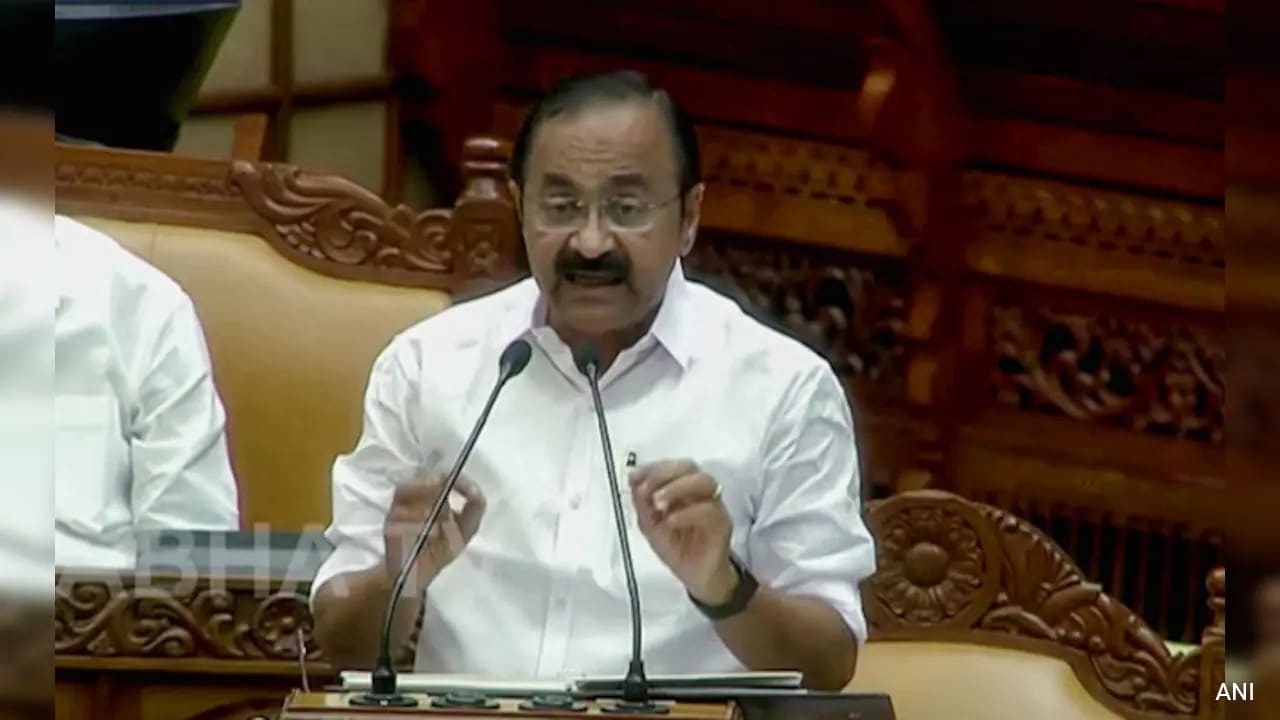
CPI general secretary Raja accused the Union government of betraying public trust, stating that resignations alone cannot resolve the issue. He sharply criticized Prime Minister Modi’s silence on the Ram Temple case.
मुख्य बिंदु (Key Takeaways)
- CPI labels Modi’s silence as a breach of public trust
- Resignations alone will not solve the problem
- Demand for government accountability in the Ram Temple case
At the national level, the Communist Party of India (CPI) has once again raised a strong voice on the issue of governmental accountability. Party General Secretary Raja said the Union government has “betrayed the trust of the people,” pointing to Prime Minister Narendra Modi’s continued silence on the Ram Temple case as a glaring failure of responsibility.
Context of the Party Statement
During a press conference last week, Raja warned that the government’s mute stance not only complicates an already sensitive issue but also erodes democratic principles. He emphasized that merely demanding resignations is insufficient; the administration must take concrete steps to rebuild public confidence.
Political Significance of the Ram Temple Case
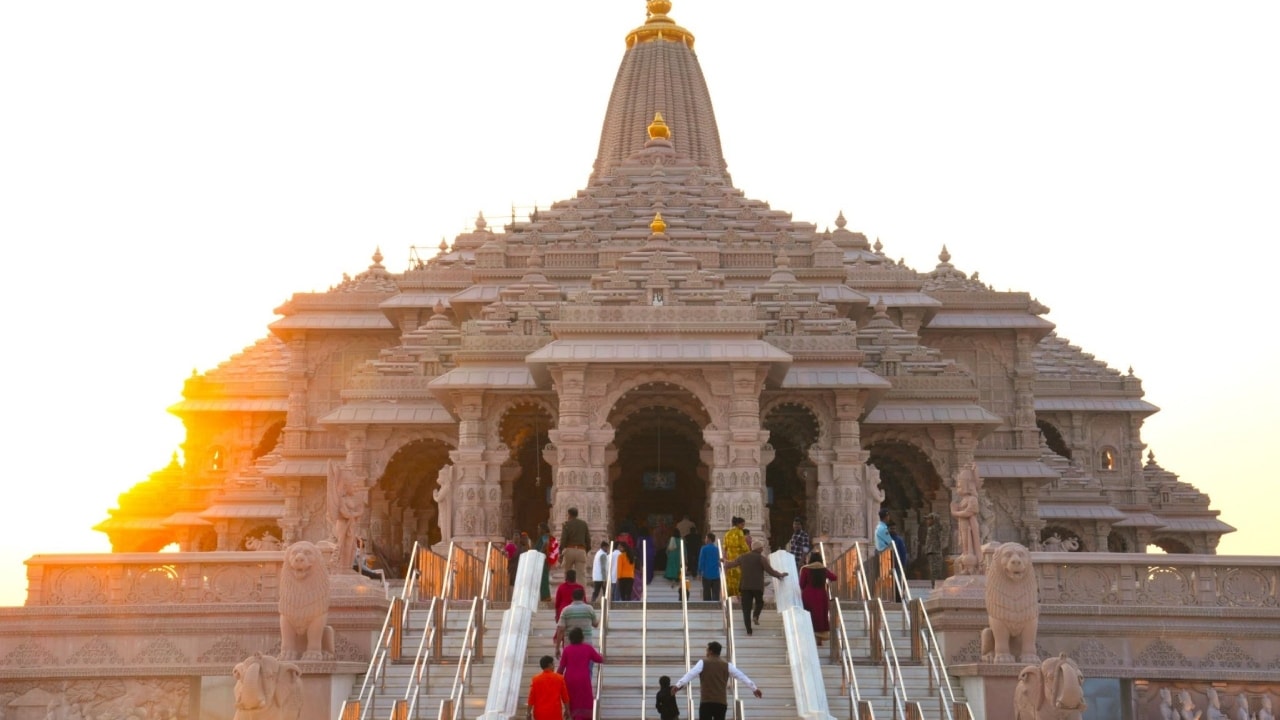
The Ram Temple dispute has remained a polarising and emotionally charged topic in Indian politics for decades. The case intertwines judicial orders, land ownership, and deep‑seated religious sentiments. While the Modi government has repeatedly described the matter as delicate, opposition parties view the silence as a strategic move to capitalize on communal sentiments for political gain.
CPI’s Strategic Outlook
CPI sees this moment as an opportunity to forge a broader coalition against the ruling party. The party argues that “corruption and lack of accountability” are compounded by “the politicisation of religion and history,” which contravene the core tenets of democracy.
Future Implications
Raja’s remarks suggest that opposition forces may foreground this issue in upcoming electoral battles, challenging the government’s narrative. If the administration fails to address the matter decisively, it could exacerbate social tensions and trigger political instability. Consequently, the Ram Temple case has evolved from a legal dispute into a litmus test for the resilience of India’s democratic fabric.