Prime Minister Narendra Modi lauded Australia’s recent social media ban, prompting speculation that India may be considering a similar move. This article examines the political, legal, and digital‑rights implications of the comment.
Key Takeaways
- Modi praised Australia’s social media restrictions
- Possible signal for India to adopt comparable measures
- Debate intensifies over digital rights vs national security
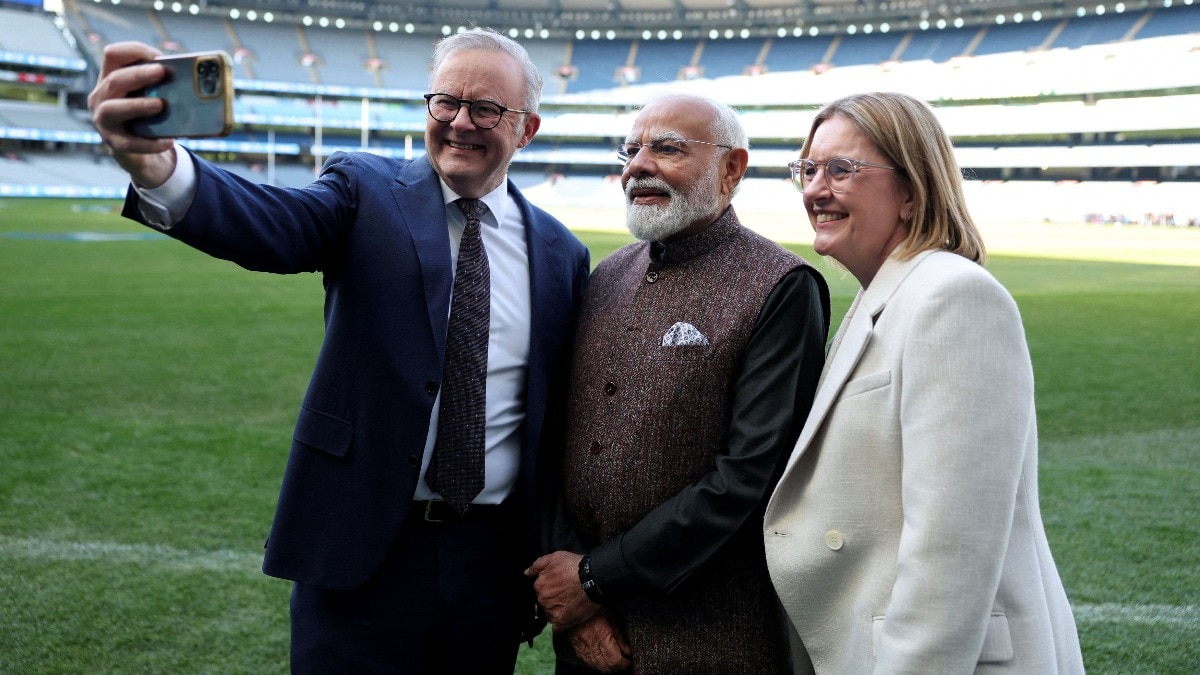
Prime Minister Narendra Modi’s recent commendation of Australia’s decision to curb social media platforms has sparked a wave of analysis across New Delhi and beyond. By calling the Australian move “bold” and “necessary for public order,” Modi’s remarks have been interpreted by many as a subtle cue that India could be gearing up for a comparable regulatory shift.
Australia’s Ban: A Quick Recap
In late 2023, Australia enacted a sweeping bill that obliges global platforms such as Facebook, Twitter and Instagram to remove content deemed a threat to national security or public peace within a strict timeline. While the law was championed by security agencies, it has equally drawn criticism from free‑speech advocates and tech firms, who warn of over‑reach and chilling effects on online discourse.
India’s Existing Digital Regulation Landscape
India has already taken incremental steps to tighten control over digital platforms. Amendments to the Information Technology Act in 2021 introduced fast‑track takedown provisions, and the proposed “Digital Governance Act” of 2022 seeks to empower authorities to order content removal within hours. Civil society groups, however, argue that such measures risk undermining the constitutional right to freedom of expression.
Why Modi’s Praise Matters
Analysts view the Prime Minister’s endorsement as more than diplomatic nicety. If New Delhi mirrors Australia’s model, it could usher in stricter data‑localisation rules, mandatory content‑filtering algorithms, and tighter obligations for platform intermediaries. The government could frame these steps as essential for combating misinformation, terrorism, and communal unrest – a narrative that resonates strongly in the current political climate.
Potential Implications and Challenges
Balancing national security with digital freedoms will be the crux of any future Indian policy. While tighter controls may appease security agencies, they could also deter foreign investment, stifle the burgeoning tech startup ecosystem, and provoke legal challenges in courts that have increasingly guarded free speech. Ongoing parliamentary debates, judicial scrutiny, and activism from NGOs will shape the ultimate trajectory.