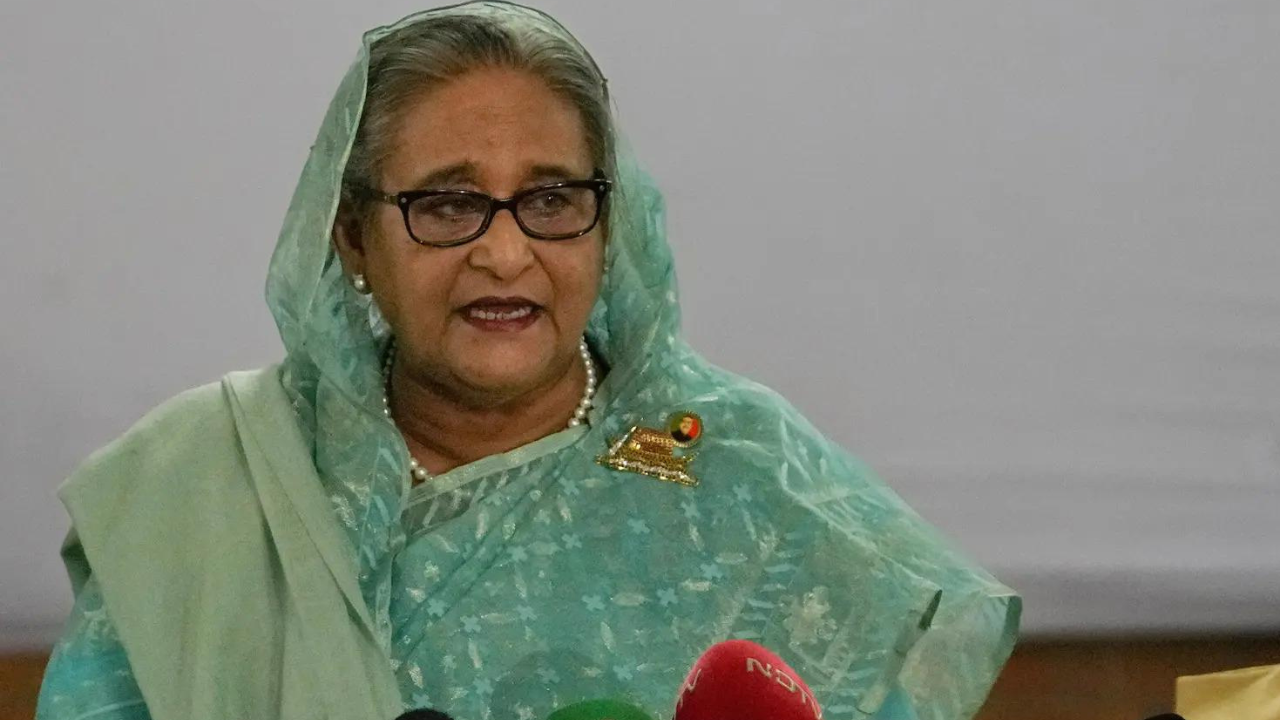
Former Bangladeshi Prime Minister Sheikh Hasina announced plans to return in December, even if she faces arrest or death. The statement follows the International Crimes Tribunal's death sentence against her for alleged crimes against humanity.
मुख्य बिंदु (Key Takeaways)
- Hasina intends to return to Bangladesh in December.
- The International Crimes Tribunal sentenced her to death for crimes against humanity.
- She acknowledges the risk of arrest or assassination but is prepared to surrender.
Sheikh Hasina, the 78‑year‑old former prime minister of Bangladesh, told Reuters that she and other exiled Awami League leaders will voluntarily return around December, despite the possibility of being detained or killed on arrival. “They may arrest me on my return, they may even kill me,” she said, “still, I have to go.”
Background and ICT Verdict
Hasina fled to India after a massive student‑led uprising in August 2024 toppled her government. Months later, Bangladesh’s International Crimes Tribunal (ICT) convicted her of crimes against humanity linked to the crackdown on those protests, handing her a death sentence. The tribunal also sentenced former Home Minister Asaduzzaman Khan Kamal to death and former Inspector General of Police Chowdhury Abdullah Al‑Mamun to five years in prison, while ordering the seizure of Hasina’s and Kamal’s assets.
From Exile to Planned Return
Since her departure, Hasina has campaigned from Indian cities, rallying diaspora support and condemning what she describes as “tremendous repression” of Awami League workers. She added a poignant note: “If death comes, I want it on my own soil, where my parents are buried and where their blood was shed.” This emotional appeal appears designed to re‑energize her base ahead of a potential political comeback.
Regional and International Implications
Hasina’s return could destabilize Bangladesh’s already volatile political environment. India, which has hosted her since 2024, may face diplomatic strain as it balances humanitarian concerns with regional stability. International human‑rights groups have previously questioned the ICT’s independence, labeling the verdict as politically motivated, which could invite heightened global scrutiny.
Future Scenarios
If Hasina steps foot on Bangladeshi soil, she will confront a courtroom, asset confiscations, and the very real threat of imprisonment or execution. The episode could either spark a renewed democratic dialogue or deepen authoritarian repression, depending on how the judiciary, security forces, and the public react. Analysts warn that the outcome will shape Bangladesh’s democratic trajectory for years to come.